In modern industrial automation and process control, the precise measurement of light intensity and its attenuation is critical. Laser Attenuation Rate Sensors (LARS) have emerged as sophisticated instruments designed to quantify the reduction in laser beam power as it propagates through a medium. These sensors are pivotal in applications ranging from environmental monitoring and chemical analysis to manufacturing quality assurance and biomedical diagnostics. This article delves into the operational principles, key components, and diverse industrial use cases of these advanced photonic devices.
At its core, a Laser Attenuation Rate Sensor operates on the fundamental principle of the Beer-Lambert law, which describes the attenuation of light as it passes through a substance. The sensor typically consists of a stable laser source, a sensing region where the laser interacts with the target medium, and a high-sensitivity photodetector. The laser emits a coherent beam at a specific wavelength. As this beam traverses the sample—be it a gas, liquid, or aerosol—it experiences absorption and scattering, leading to a decrease in its original intensity. The photodetector precisely measures the transmitted light power. By comparing the initial laser power (often via a reference beam or calibrated source) with the received power, the sensor calculates the attenuation rate, usually expressed in decibels per unit distance (e.g., dB/m). This quantitative data directly correlates with the concentration of particulate matter, the presence of specific gases, or the turbidity of a liquid.
The technological sophistication of LARS lies in their components and signal processing. Diode lasers, often in the infrared or visible spectrum, are favored for their compact size, efficiency, and stability. To enhance accuracy, many systems incorporate modulation techniques, where the laser beam is modulated at a high frequency. This allows the detector electronics to distinguish the signal from ambient light noise, significantly improving the signal-to-noise ratio. Advanced sensors may also use multiple wavelengths to differentiate between various attenuating agents, a technique crucial in complex mixtures. The photodetector, frequently a photodiode or avalanche photodiode, is selected for its responsivity at the operational wavelength and its fast response time. The subsequent electronic circuitry amplifies the weak photocurrent, converts it to a digital signal, and processes it using embedded algorithms to provide a real-time, calibrated output of attenuation rate or derived parameters like concentration.
Industrial applications of Laser Attenuation Rate Sensors are vast and impactful. In environmental monitoring, they are deployed in stack emission monitoring systems to measure the opacity and particulate concentration in flue gases, ensuring compliance with air quality regulations. Within the semiconductor and precision manufacturing sectors, these sensors monitor cleanroom air quality by detecting ultrafine particles that could contaminate sensitive processes. In the chemical and pharmaceutical industries, LARS are integrated into process streams to monitor the clarity, concentration, or homogeneity of liquids in real-time, enabling immediate adjustments and ensuring product consistency. Furthermore, in research and development, they serve as essential tools for studying aerosol properties, combustion processes, and material characteristics. Their non-contact nature and rapid response make them superior to many traditional sampling methods, which are often slower and prone to errors.
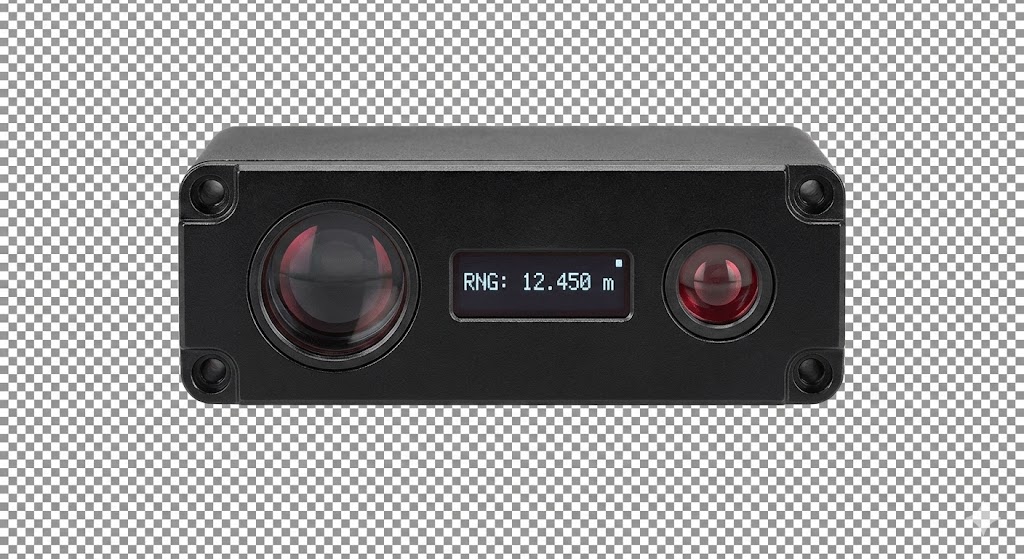
Despite their advantages, implementing LARS requires careful consideration. Factors such as window fouling, alignment stability of the optical path, and interference from other light sources must be mitigated through proper mechanical design, periodic calibration, and intelligent software filtering. The choice of laser wavelength is paramount; it must be selected to avoid strong absorption by background components (like water vapor) while being sensitive to the target analyte. Maintenance protocols are essential to keep optical surfaces clean and ensure long-term reliability.
Looking ahead, the evolution of Laser Attenuation Rate Sensors is intertwined with advancements in photonics and IoT. Miniaturization through integrated photonics is leading to smaller, more robust sensors. The integration of wireless connectivity and data analytics platforms allows for the deployment of sensor networks for large-scale, distributed monitoring, enabling predictive maintenance and smarter process optimization. As industries continue to prioritize efficiency, safety, and environmental stewardship, the role of precise, reliable laser-based attenuation measurement will only grow more central.
In conclusion, Laser Attenuation Rate Sensors represent a critical fusion of optics, electronics, and software, providing indispensable quantitative insights into material interactions with light. Their ability to deliver real-time, accurate measurements in challenging environments solidifies their status as a cornerstone technology in modern industrial measurement and control systems.