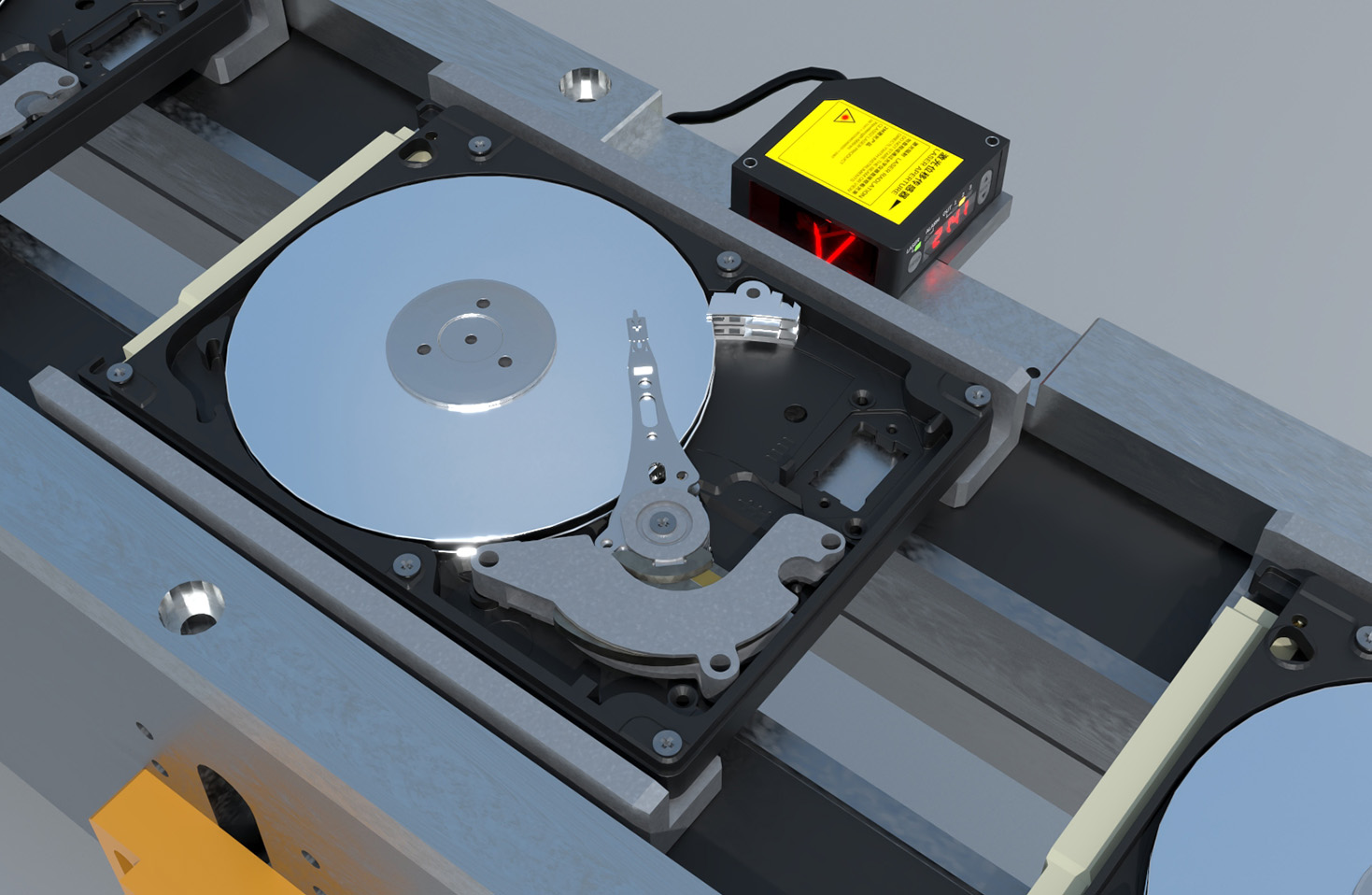
In the high-stakes world of modern manufacturing, precision is not merely a goal—it is an absolute necessity. At the heart of achieving this precision in advanced machine tools lies a critical component: the laser distance sensor. These sophisticated devices have revolutionized machining processes by providing non-contact, high-accuracy measurement solutions that are essential for quality control, automation, and efficiency.
Laser distance sensors operate on the principle of time-of-flight or triangulation, emitting a laser beam towards a target surface. The sensor then measures the time it takes for the reflected light to return or analyzes the angle of the reflected beam to calculate the exact distance to the object. This method allows for measurements with micron-level accuracy at high speeds, making them indispensable in applications such as tool setting, workpiece alignment, and dimensional inspection. Unlike traditional contact probes, laser sensors eliminate the risk of surface damage or tool wear, ensuring the integrity of delicate or finished components.
The integration of these sensors into CNC (Computer Numerical Control) machine tools has unlocked new levels of automation. For instance, during tool setting, a laser sensor can automatically measure tool length and diameter offsets with exceptional speed and repeatability, drastically reducing setup time and minimizing human error. In-process monitoring is another critical application. By continuously measuring the position of a workpiece or the wear on a cutting tool, the sensor provides real-time feedback to the machine's control system. This enables adaptive control, where machining parameters are dynamically adjusted to compensate for thermal drift, tool deflection, or material inconsistencies, thereby maintaining tight tolerances throughout the production cycle.

Furthermore, laser distance sensors are pivotal in robotic machine tending and automated guided vehicle (AGV) systems within smart factories. They ensure precise positioning of raw materials or semi-finished parts onto the machine bed, facilitating seamless material flow and supporting lights-out manufacturing operations. Their robustness in harsh industrial environments—resistant to coolant, metal chips, and vibrations—ensures reliable performance where other measurement technologies might fail.
The choice of sensor depends on specific application requirements, including measurement range, resolution, spot size, and response time. For example, a small, focused laser spot is ideal for measuring intricate features or shiny surfaces, while a longer-range sensor might be used for large-part positioning. Modern sensors often come with integrated interfaces like Ethernet/IP, PROFINET, or IO-Link, allowing for easy integration into industrial networks and Industry 4.0 data ecosystems. This connectivity enables the collection of vast amounts of measurement data, which can be analyzed for predictive maintenance, process optimization, and overall equipment effectiveness (OEE) tracking.
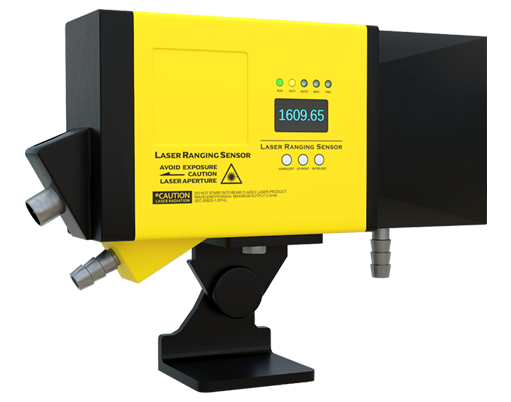
In conclusion, laser distance sensors are no longer optional accessories but fundamental enablers of precision, productivity, and intelligence in contemporary machine tools. They bridge the gap between digital commands and physical execution, ensuring that every cut, drill, or mill is performed with unwavering accuracy. As manufacturing continues its march toward greater automation and interconnectivity, the role of these sensors will only become more central, driving innovations in quality and efficiency for years to come.