In the realm of industrial automation and smart technology, the ability to detect the presence or absence of an object without physical contact is a fundamental capability. This is precisely where general purpose proximity sensors excel. These devices are ubiquitous, silent workhorses that form the backbone of countless systems, from intricate assembly lines to everyday consumer electronics. Their core function is deceptively simple: to sense when a target object enters their detection field and trigger an electrical signal. However, the engineering principles behind them and their vast range of applications reveal a world of sophisticated technology.
At their heart, most general purpose proximity sensors operate on one of several non-contact sensing principles. Inductive proximity sensors are among the most common. They generate an electromagnetic field and detect changes in that field caused by metallic objects entering its range. These sensors are exceptionally robust, resistant to environmental factors like dust and oil, making them ideal for harsh manufacturing environments where they count parts, control machine tools, or verify positions. Capacitive proximity sensors, on the other hand, can detect both metallic and non-metallic materials—plastics, liquids, wood, and even granular substances. They work by sensing changes in capacitance when an object disturbs the electrostatic field around the sensor's face. This makes them perfect for level detection in tanks, material handling, and applications involving glass or packaging.
Another critical category is the photoelectric sensor, which uses a beam of light (visible, infrared, or laser) to detect objects. While sometimes categorized separately, they serve a general-purpose proximity role in many setups. Their key advantage is long sensing ranges and the ability to detect virtually any material that interrupts or reflects the light beam. Ultrasonic sensors complete the primary quartet, using sound waves to measure distance and detect objects, excelling in challenging conditions involving transparent materials, varying colors, or dusty atmospheres.
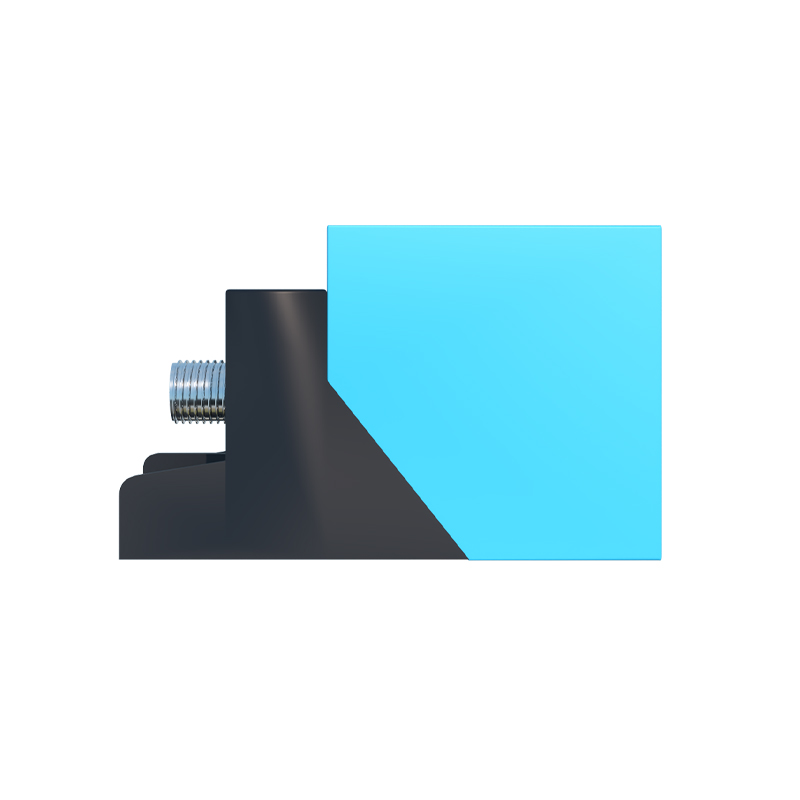
The selection of a general purpose proximity sensor hinges on several key parameters. Sensing range, the maximum distance at which it can reliably detect a standard target, is paramount. The nature of the target material—metal, plastic, liquid—dictates whether an inductive, capacitive, or photoelectric type is required. Environmental conditions are equally crucial; factors like temperature extremes, washdown requirements, or exposure to chemicals demand sensors with appropriate ingress protection (IP) ratings and housing materials. Output configuration, typically a digital switch signal like PNP (sourcing) or NPN (sinking), must be compatible with the connected controller, such as a PLC (Programmable Logic Controller).
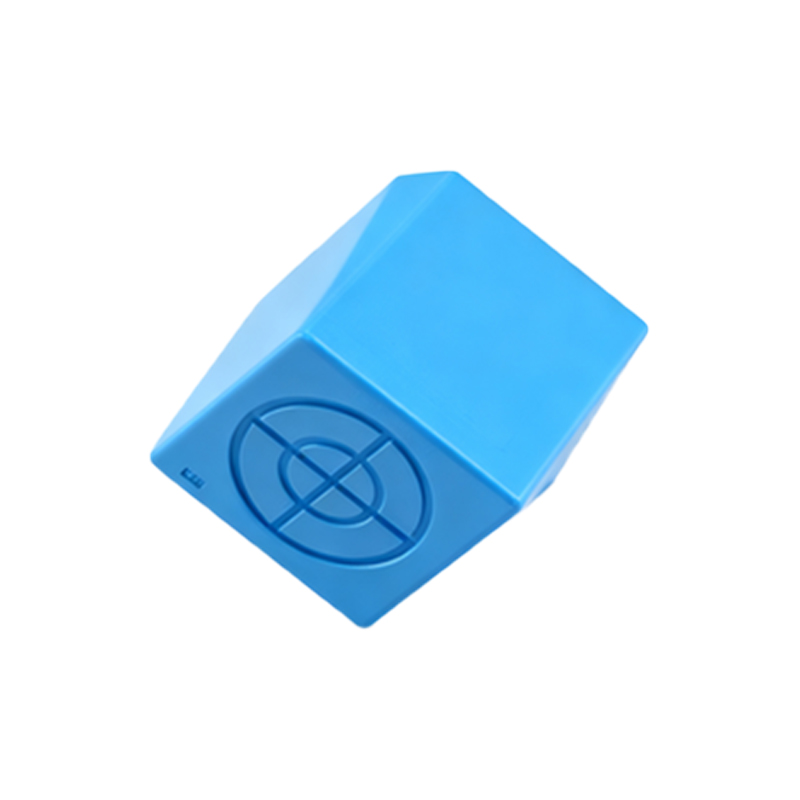
The applications are virtually limitless. In automotive manufacturing, inductive sensors ensure robotic arms weld at the correct spot by confirming part placement. In food and beverage processing, capacitive sensors monitor liquid levels in stainless steel vats without contact, maintaining hygiene. On packaging lines, photoelectric sensors count bottles, check for labels, and ensure boxes are properly sealed. Beyond heavy industry, they are found in elevators for door safety, in smartphones to disable the touchscreen during a call, and in home appliances like automatic faucets and soap dispensers.
Modern advancements continue to enhance their utility. Sensors are becoming smaller, allowing for installation in tight spaces, while offering longer sensing distances and higher switching frequencies for high-speed applications. Improved noise immunity ensures reliable operation in electrically noisy environments. Furthermore, the integration of IO-Link, a point-to-point serial communication protocol, is transforming standard sensors into intelligent devices. IO-Link enables detailed parameter setting, remote monitoring of operating status, and advanced diagnostics, paving the way for predictive maintenance and deeper integration into Industry 4.0 frameworks.
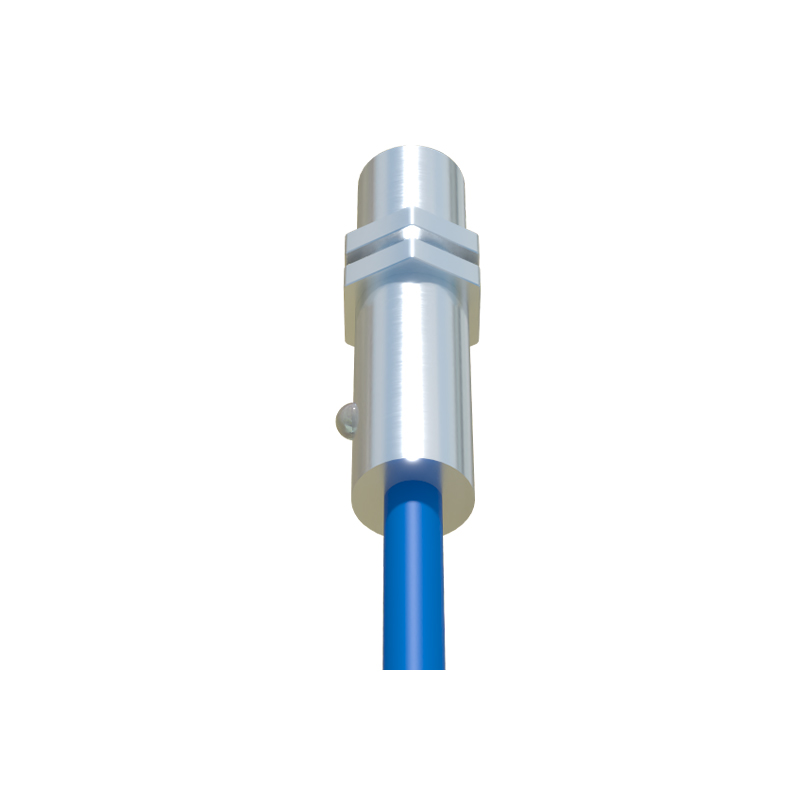
In conclusion, general purpose proximity sensors are indispensable components in modern engineering. Their reliability, versatility, and adaptability to diverse materials and challenging environments make them a first-choice solution for object detection tasks. By understanding their operating principles—inductive, capacitive, photoelectric, and ultrasonic—engineers and technicians can select the optimal sensor to enhance system efficiency, ensure safety, and enable automation across a breathtaking spectrum of industries. As technology evolves, these sensors will undoubtedly grow smarter and more connected, further solidifying their critical role in an automated world.