In the dynamic landscape of industrial automation, circular proximity sensors stand as fundamental components for non-contact object detection. Their pricing, however, is not a simple figure but a complex matrix influenced by a multitude of technical and market factors. For engineers, procurement specialists, and system integrators, navigating this market requires a clear understanding of what drives cost. This article delves into the key elements that shape the market报价 for these ubiquitous sensors.
The core determinant of price is the underlying sensing technology. Inductive sensors, designed for detecting metallic objects, generally represent the most cost-effective entry point. Their pricing scales with performance features such as sensing distance, switching frequency, and the type of metal they are optimized for (e.g., steel, aluminum, copper). Capacitive sensors, capable of detecting both metallic and non-metallic materials, typically command a higher price due to their more complex circuitry and calibration requirements. The choice between a standard inductive model and a specialized capacitive one creates the first major price bifurcation.
Beyond the core technology, specifications and performance parameters critically impact cost. The nominal sensing distance (Sn) is a primary driver; a sensor with a 2mm range is considerably less expensive than an identical-technology sensor with a 15mm or 30mm range. The housing material also plays a significant role. Standard nickel-plated brass or PBT housings are economical, while sensors crafted from stainless steel (e.g., V2A, V4A grades) for corrosive or washdown environments carry a substantial premium. Similarly, the ingress protection (IP) rating directly correlates with price. An IP67-rated sensor is standard for many industrial applications, but achieving IP68, IP69K, or specialized certifications for food-grade or explosion-proof (ATEX, IECEx) environments involves rigorous design and testing, significantly elevating the unit cost.
Electrical output and connection type further refine the price structure. Basic two-wire DC sensors are often the most affordable but may have limitations in leakage current. Three-wire DC sensors (PNP or NPN output) and four-wire versions (with both NO and NC contacts) offer more flexibility and precise control, adding to the cost. Analog output sensors (0-10V, 4-20mA) or IO-Link enabled smart sensors, which provide diagnostic data and parameterization capabilities, represent the higher end of the price spectrum. The physical connection—whether it's a fixed cable, a standard M8 or M12 connector, or a more robust M23 connector—also adds variable cost.
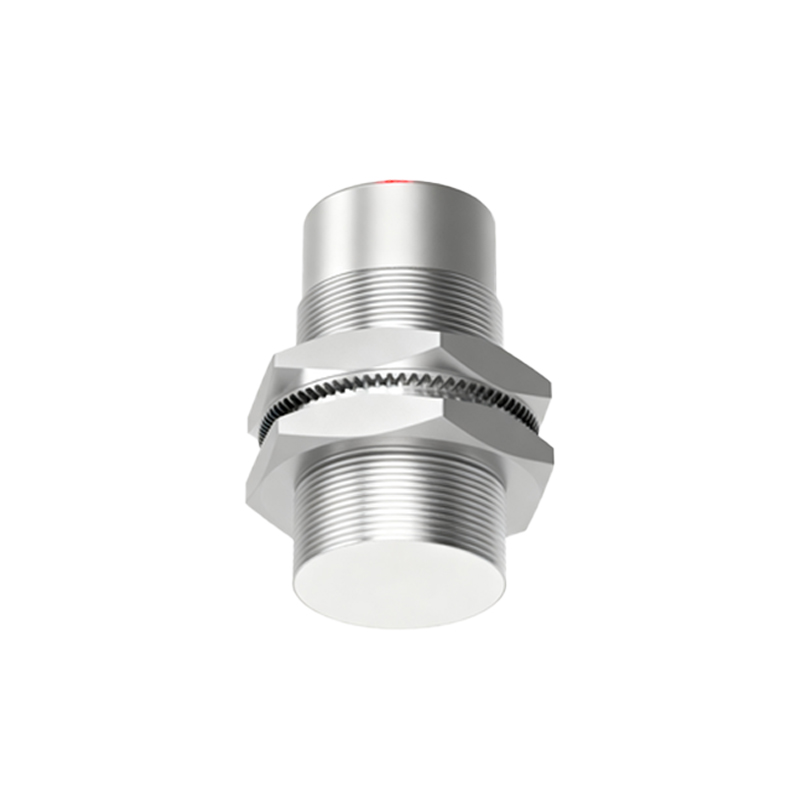
Manufacturer brand, certification, and supply chain logistics are crucial market forces. Established global brands (e.g., Siemens, Omron, Pepperl+Fuchs, Balluff) often price their products at a premium, justified by extensive R&D, global warranty support, and proven reliability in critical applications. Conversely, competitive offerings from other reputable manufacturers or specialized suppliers may provide similar specifications at a lower cost, though often with trade-offs in availability of technical support or lead times. Bulk purchasing through authorized distributors typically yields better per-unit pricing compared to one-off purchases. Furthermore, global fluctuations in raw material costs, semiconductor availability, and regional tariffs can cause market报价 to shift over time.
In conclusion, the market报价 for a circular proximity sensor is a direct reflection of its capabilities and pedigree. A basic inductive sensor for a simple machine jig will cost a fraction of a stainless-steel, IO-Link enabled, ATEX-certified capacitive sensor monitoring fill levels in a chemical plant. The most effective procurement strategy involves precisely defining the application requirements: required sensing technology, necessary range, environmental conditions, output signal, and connectivity. With these parameters locked down, comparing offerings across reputable suppliers becomes an objective exercise in matching specifications to budget, ensuring optimal value and reliability for the intended industrial automation task.