In modern manufacturing and quality control, precise measurement of material thickness is paramount. Among the various non-contact measurement technologies available, laser-based thickness sensors have emerged as a superior solution for numerous industrial applications. This article delves into the operating principles, key advantages, diverse applications, and critical selection criteria for these sophisticated instruments.
The fundamental principle behind a laser thickness sensor is triangulation. A laser diode emits a focused beam of light onto the target material's surface. The reflected light is then captured by a high-resolution optical receiver, typically a CCD or CMOS linear array. As the distance to the target changes, the position of the laser spot on the receiver shifts. Using precise trigonometric calculations, the sensor's onboard processor determines the exact distance to the surface. For thickness measurement, two such laser sensors are typically arranged in an opposing configuration, one above and one below the material. Each sensor measures the distance to its respective surface. By knowing the fixed distance between the two sensors and subtracting the two measured gap values, the system calculates the material's thickness with high accuracy.
The advantages of laser thickness gauges are significant. Firstly, they offer non-contact measurement, which is crucial for delicate, hot, moving, or easily deformed materials such as plastics, rubber, hot metals, and foils. There is no risk of surface damage or wear on the measuring tool. Secondly, they provide exceptionally high speed and frequency response, capable of taking thousands of measurements per second. This enables 100% inline inspection on fast-moving production lines, such as in rolling mills for metals or extrusion lines for plastics. Thirdly, they deliver remarkable accuracy and resolution, often down to the sub-micron level, ensuring tight tolerances are maintained. Furthermore, they are largely immune to variations in material color, reflectivity, or ambient light when equipped with advanced filtering and compensation algorithms. Their robustness also allows them to perform reliably in harsh industrial environments with vibration, dust, and temperature fluctuations.
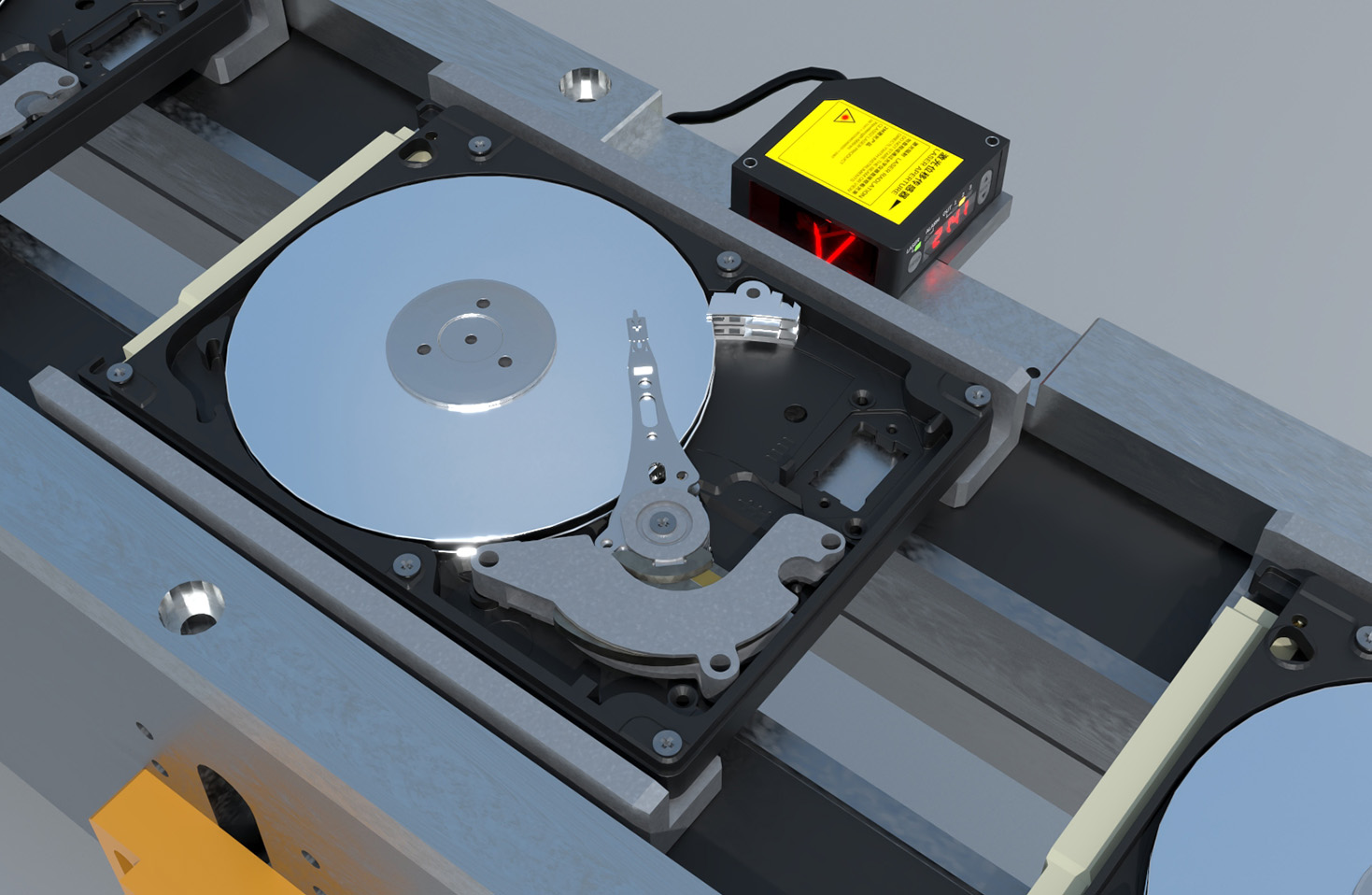
The applications of laser thickness sensors span a wide range of industries. In metal processing, they are indispensable for monitoring sheet, strip, and foil thickness in rolling mills, ensuring product consistency and reducing material waste. In the plastics and rubber industry, they control the thickness of extruded films, sheets, pipes, and profiles, directly impacting product quality and material usage efficiency. The paper industry utilizes them to measure basis weight and caliper of paper and cardboard. In the glass manufacturing sector, they ensure the uniformity of flat glass and specialty glass products. Additionally, they are used for measuring coatings, paints, and laminated layers, verifying application consistency.
Selecting the right laser thickness sensor requires careful consideration of several parameters. The primary specification is the measuring range, which must encompass the expected minimum and maximum thickness of the product. Closely related is the required accuracy and repeatability, which should be significantly tighter than the product's tolerance band. The material type influences the choice of laser wavelength and receiver sensitivity; for instance, transparent materials like glass or clear plastic may require a specialized sensor with a different wavelength or a confocal chromatic model. The installation environment dictates the necessary ingress protection (IP) rating for dust and water resistance, as well as the operational temperature range. The output interface (e.g., analog 4-20mA, digital Ethernet, Profibus) must be compatible with the plant's control system for seamless integration. Finally, the sensor's measurement rate must be high enough to provide sufficient data points for the production speed, ensuring no defects are missed.
In conclusion, laser thickness sensors represent a critical technology for achieving precision, efficiency, and quality in modern industrial processes. By providing fast, accurate, and reliable non-contact measurements, they enable real-time process control, minimize material usage, and guarantee final product specifications. Understanding their working principles and carefully matching their specifications to the application's demands is essential for successful implementation and maximizing return on investment in any high-precision manufacturing environment.
