In the realm of industrial automation and precision control, push-button laser sensors represent a sophisticated fusion of tactile human-machine interface (HMI) and advanced optical measurement technology. Unlike conventional mechanical push-buttons or standalone laser sensors, these integrated devices combine the actuation function of a button with the non-contact, high-accuracy sensing capabilities of a laser. This article delves into the operational principles, key components, and typical applications of these versatile sensors.
At its core, a push-button laser sensor consists of two primary subsystems: the mechanical/electrical actuation module and the laser-based measurement module. The push-button component is typically a sealed, robust switch designed for industrial environments. When an operator presses the button, it completes an electrical circuit, sending a discrete signal to a programmable logic controller (PLC) or other control system. This signal can initiate a predefined action, such as starting a measurement cycle, confirming a part's presence, or triggering a subsequent process step. The button itself is often designed with ergonomics and durability in mind, featuring tactile feedback, ingress protection (IP) ratings against dust and moisture, and materials resistant to oils and chemicals.

The true innovation lies in the integration of a miniature laser sensor within or adjacent to the button assembly. The laser measurement module operates primarily on the principle of optical triangulation or time-of-flight (ToF), depending on the required range and accuracy. In a common triangulation-based configuration, a laser diode emits a focused, coherent beam of visible red or infrared light towards a target surface. The light reflects off the target and is captured by a position-sensitive detector (PSD), typically a CMOS or CCD linear array, positioned at a known angle relative to the emitter. The precise spot where the reflected light strikes the detector changes linearly with the distance to the target. An onboard microprocessor calculates this distance with micron-level resolution by analyzing the position of the light spot on the detector.
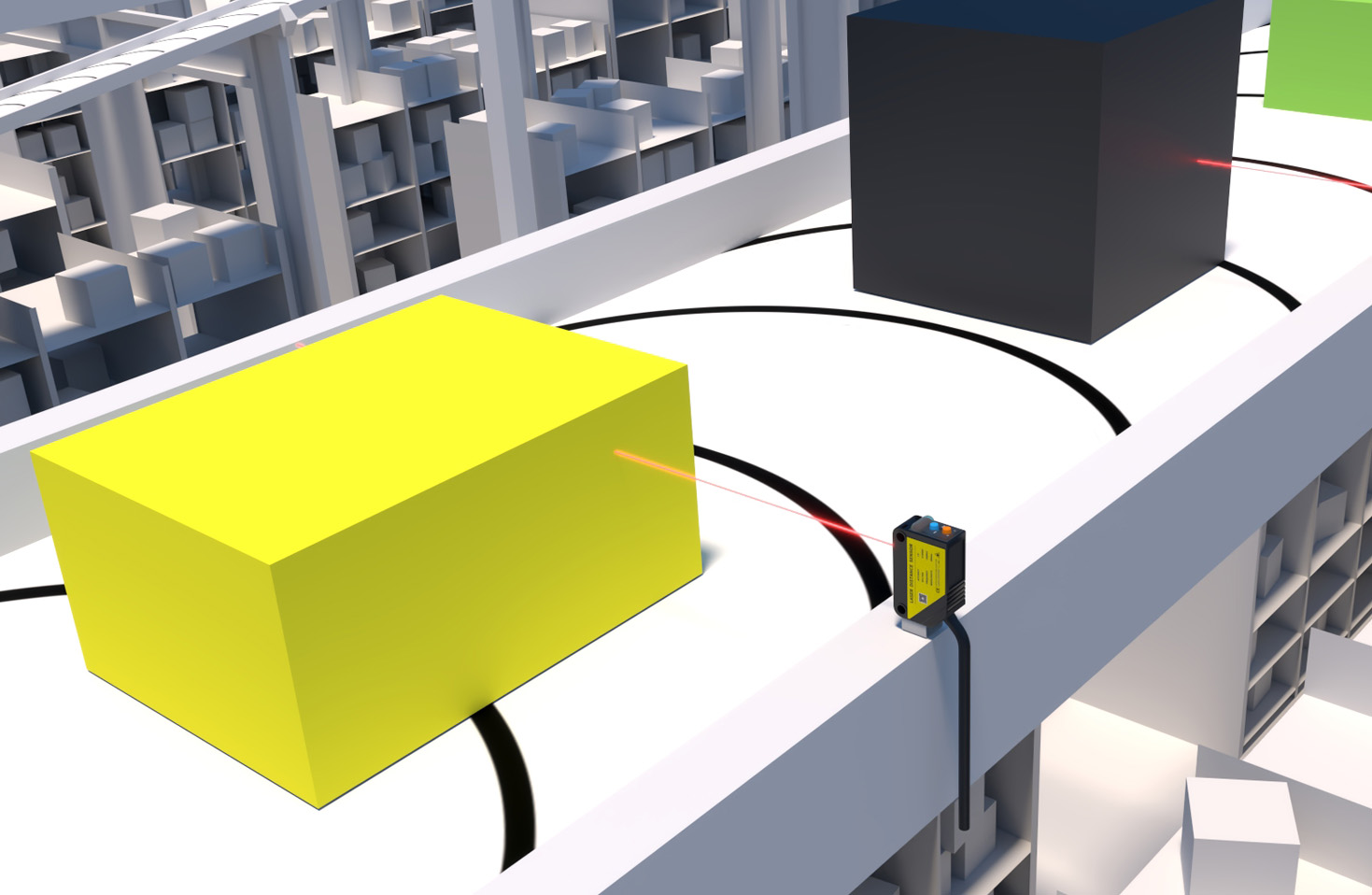
For longer ranges, a time-of-flight principle may be employed. Here, the sensor measures the time delay between the emission of a short laser pulse and the detection of its reflection. Since the speed of light is constant, the distance can be calculated directly from this time interval. This method is suitable for applications requiring measurements over several meters.
The integration of these two systems is managed by an embedded microcontroller. When the push-button is actuated, it commands the laser module to perform a measurement. The microcontroller processes the raw optical data, converts it into a precise distance or presence value, and outputs this information via a standard industrial communication interface. Common output options include analog signals (e.g., 4-20 mA, 0-10 V), digital signals (PNP/NPN), or serial protocols like IO-Link, which allows for parameter configuration and advanced diagnostics. This dual output—a discrete signal from the button press and an analog/digital value from the laser measurement—provides a rich dataset for control systems.
Key advantages of push-button laser sensors are numerous. They enable precise, non-contact measurement initiated directly by an operator, eliminating errors associated with manual tooling or inconsistent positioning. The laser spot provides a clear visual indication of the exact measurement point, enhancing operational accuracy. By combining two functions into a single, compact device, they save panel space, reduce wiring complexity, and lower overall system cost. Furthermore, their non-contact nature means no wear on the sensor or the target, ensuring long-term reliability and consistency.
Typical applications are found across manufacturing and assembly lines. They are ideal for tasks like part presence verification before a robotic weld, precise alignment checks in CNC machine setup, thickness measurement of materials in process, and quality control inspections where an operator must manually initiate a check at a specific station. In automated guided vehicle (AGV) docking systems, a pressed button can trigger a laser measurement to ensure precise alignment with a charging station.
In conclusion, push-button laser sensors are a powerful example of integrated electromechanical-optical design. They enhance human interaction with automated systems by providing a direct, intuitive way to command high-precision measurements. Their principle of operation, merging a reliable switching action with accurate laser-based metrology, makes them indispensable tools in modern industrial settings that demand both manual control and uncompromising precision. As Industry 4.0 progresses, the connectivity and smart features of these sensors, such as predictive maintenance data from the button's actuation count and laser health monitoring, will continue to expand their utility.