In industrial automation and control systems, proximity switch sensors play a critical role in detecting the presence or absence of objects without physical contact. Among their various operational modes, the "sensing off" function—often referred to as normally closed (NC) or dark-on operation—is essential for ensuring safety, reliability, and efficiency in machinery. This article delves into the principles, applications, and benefits of proximity switch sensors in sensing off configurations, tailored for electrical engineers and automation professionals.
Proximity switch sensors are non-contact devices that use electromagnetic fields, infrared light, or ultrasonic waves to detect metallic or non-metallic targets. They typically operate in two primary modes: normally open (NO) and normally closed (NC). In the sensing off mode (NC), the sensor's output circuit is closed when no target is within its sensing range, allowing current to flow. When a target approaches and enters the sensing zone, the circuit opens, interrupting the current. This behavior contrasts with normally open sensors, where the output circuit opens without a target and closes upon detection. The choice between NO and NC depends on the specific application requirements, such as fail-safe design or energy conservation.
The working principle of sensing off proximity sensors hinges on their internal circuitry and output configuration. For inductive proximity sensors, which are common in detecting metallic objects, an oscillator generates a high-frequency electromagnetic field. When a metal target enters this field, it induces eddy currents that dampen the oscillations, triggering a change in the output state. In NC mode, this change opens the circuit, signaling the presence of the object. Similarly, capacitive sensors detect non-metallic materials by measuring changes in capacitance, while photoelectric sensors use light beams to identify targets. The sensing off function ensures that the system remains active until an object is detected, which can prevent unintended machine starts or enhance monitoring in hazardous environments.
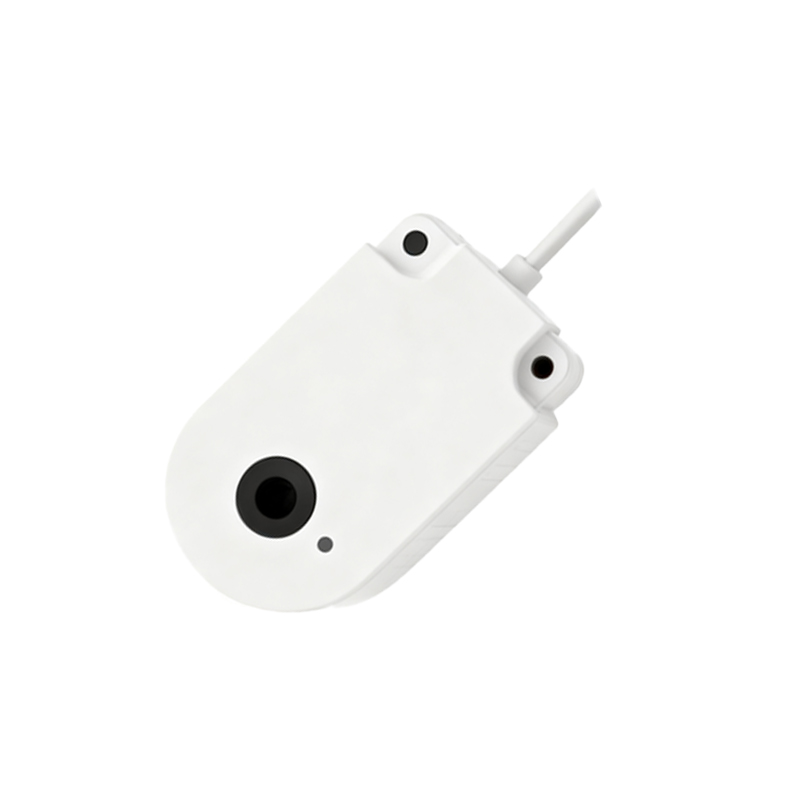
Applications of sensing off proximity sensors are widespread across industries. In manufacturing, they are used for part detection on conveyor belts, where the sensor's NC mode can halt production if a component is missing, preventing defects. In safety systems, such as machine guarding, these sensors are integrated into emergency stop circuits; if a guard door is opened, the sensor switches off, cutting power to dangerous equipment. Automotive assembly lines rely on NC sensors for position verification in robotic welding, ensuring precise alignment before operations commence. Additionally, in packaging and material handling, sensing off sensors monitor fill levels in bins, triggering alarms when materials are depleted to avoid downtime.
One key advantage of the sensing off configuration is its fail-safe nature. In critical systems, a broken wire or power loss in an NC sensor will cause the circuit to open, mimicking the detection of a target and prompting a shutdown. This reduces the risk of accidents, as machines default to a safe state. Moreover, NC sensors can conserve energy in standby modes, as they only draw power when activated by an object. Engineers must consider factors like sensing distance, response time, and environmental conditions (e.g., temperature, humidity) when selecting sensors. For instance, inductive sensors with NC output are ideal for harsh industrial settings due to their robustness against dust and moisture.

Installation and maintenance of proximity switch sensors in sensing off mode require attention to detail. Proper alignment with targets is crucial to avoid false triggers, and regular calibration ensures consistent performance. Wiring should follow industry standards, such as IEC 60947-5-2, to prevent electrical interference. Troubleshooting common issues—like sensor drift or output failure—often involves checking voltage levels, cable integrity, and environmental factors. As technology advances, smart sensors with digital interfaces (e.g., IO-Link) are gaining popularity, enabling real-time diagnostics and integration with Industrial Internet of Things (IIoT) platforms for predictive maintenance.
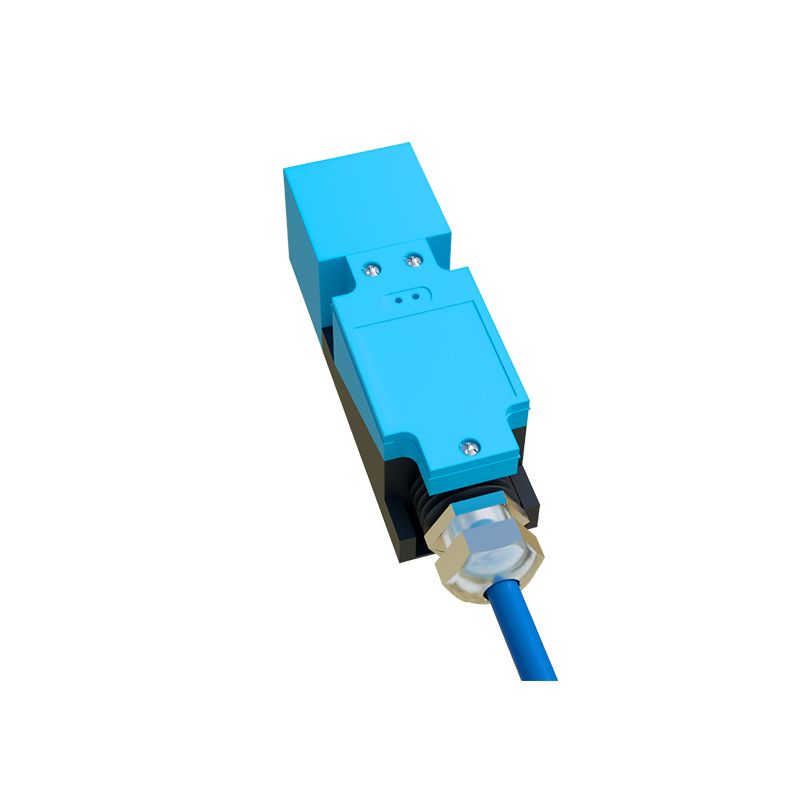
In conclusion, proximity switch sensors operating in sensing off mode are indispensable in modern automation, offering enhanced safety and reliability. By understanding their principles and applications, electrical engineers can optimize system designs for diverse industrial challenges. As automation evolves, these sensors will continue to play a pivotal role in driving efficiency and innovation.