In industrial automation and control systems, proximity switch sensors are ubiquitous. A common point of confusion for engineers, technicians, and procurement specialists is the alphabet soup of letters found on sensor datasheets, nameplates, and wiring diagrams. These letters are not random; they are standardized codes that convey critical information about the sensor's type, output configuration, and electrical characteristics. Understanding this nomenclature is essential for correct selection, installation, and troubleshooting.
The most fundamental letter codes describe the sensor's detection principle. The primary types are:
I: Inductive proximity sensors. These detect metallic objects (ferrous and non-ferrous) without physical contact. They generate an electromagnetic field, and a metal target entering this field induces eddy currents, causing a change in the sensor's oscillation amplitude, which triggers the switch.
C: Capacitive proximity sensors. These can detect both metallic and non-metallic materials (e.g., plastics, liquids, wood, glass) by measuring changes in capacitance. The sensor and the target act as two plates of a capacitor. As the target approaches, the capacitance increases, and at a preset threshold, the sensor switches.
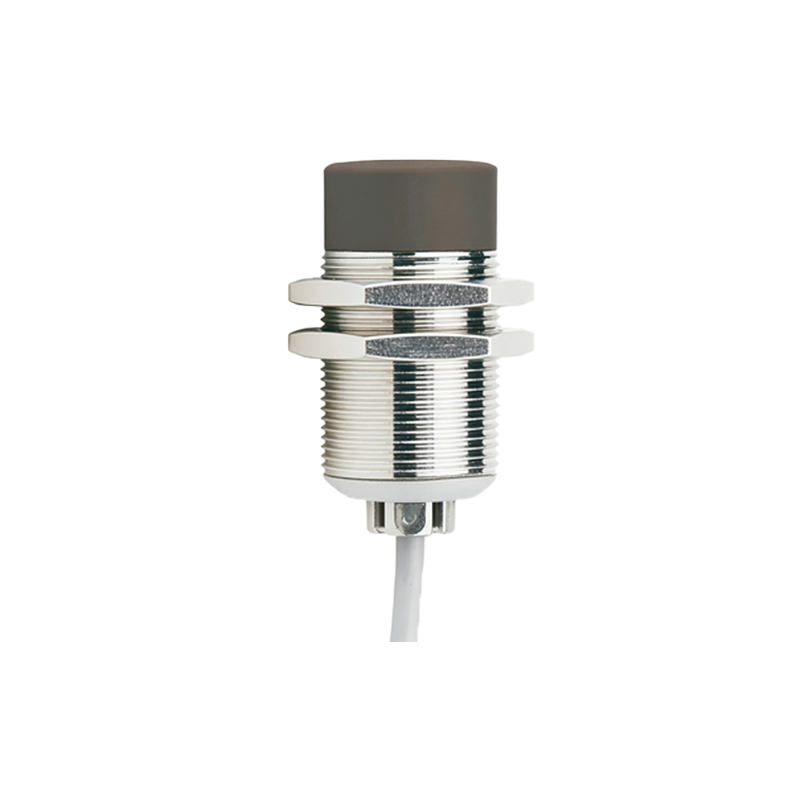
U: Ultrasonic proximity sensors. These use sound waves beyond human hearing. They measure the time taken for an emitted ultrasonic pulse to reflect off a target and return. This "time-of-flight" principle allows them to detect objects of virtually any material, and they are often used for distance measurement and level detection.
O: Optical proximity sensors (often photoelectric sensors). These use light beams (visible, infrared, or laser). Common sub-types include through-beam (T), retro-reflective (R), and diffuse reflective (D). They are used for long-range detection and sensing of small objects.
Following the sensor type, output configuration letters are crucial for integration into control circuits. The key distinction is between sourcing and sinking outputs, which defines how the sensor's output transistor is connected relative to the load and power supply.
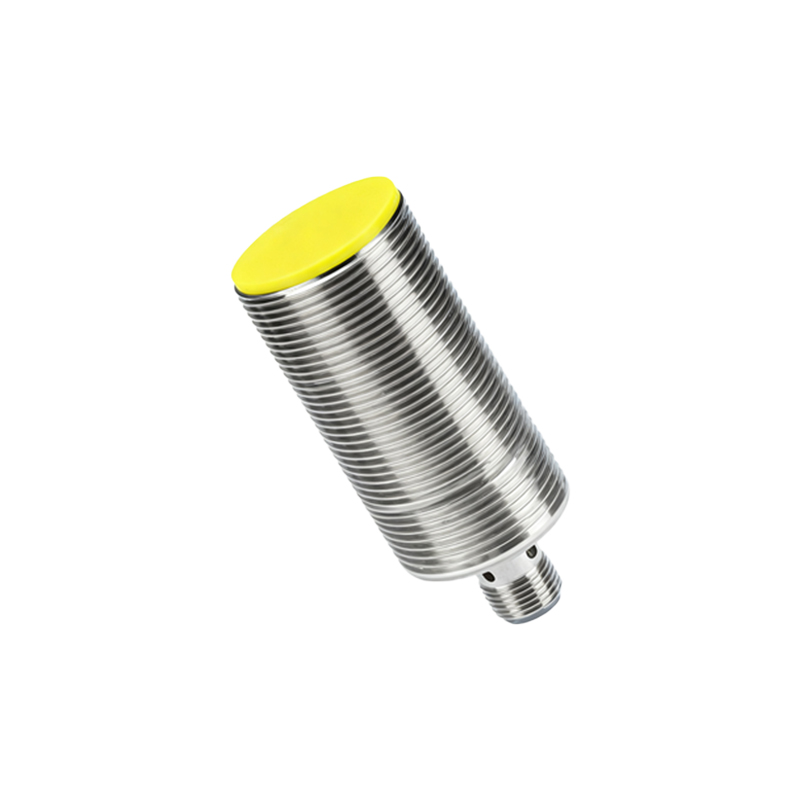
PNP (also sometimes implied or marked as +): This denotes a sourcing sensor. The output signal line provides positive voltage (+V) to the load when active. The load (e.g., a PLC input) is connected between the sensor's output wire and the DC common (0V). PNP is the more common standard in Europe and many regions.
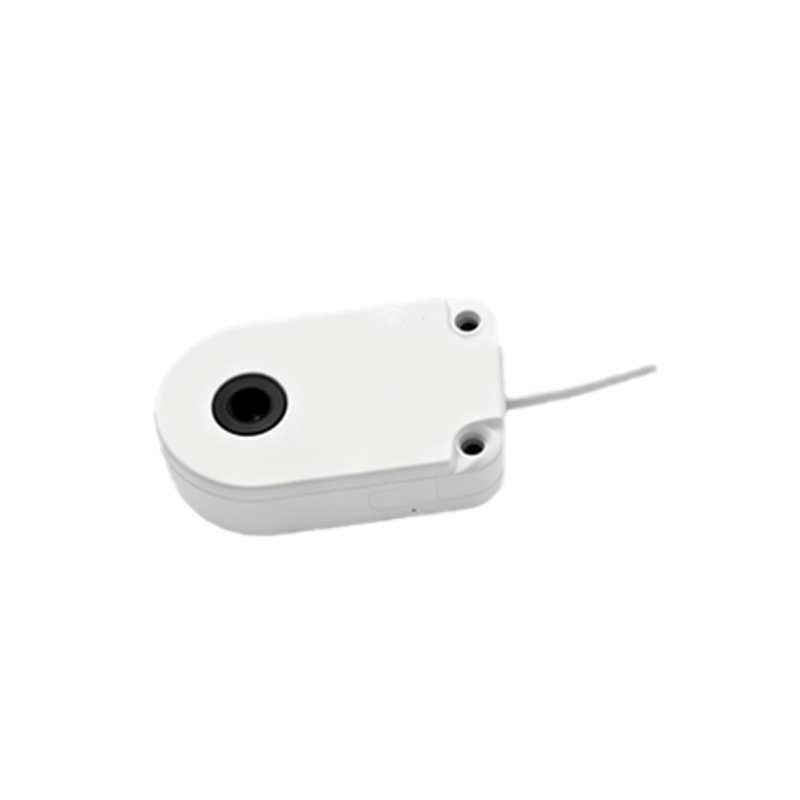
NPN (also sometimes implied or marked as -): This denotes a sinking sensor. The output signal line provides a path to ground (0V) when active. The load is connected between the positive supply (+V) and the sensor's output wire. NPN is historically more common in North America and Japan.
The number of wires and output function is also encoded:
2-wire: These sensors are connected in series with the load. They can be AC or DC and are simpler but may have a residual voltage drop when "off."
3-wire: The most common type for DC sensors. They have separate wires for power supply positive, power supply negative (common), and the switched output signal. This allows for clear PNP or NPN configuration.
4-wire: Typically feature two separate outputs (e.g., one PNP normally open and one PNP normally closed) or a combination of different output types.
NO (Normally Open): The output circuit is open (non-conducting) when no target is present. It closes (conducts) when a target is detected.
NC (Normally Closed): The output circuit is closed (conducting) when no target is present. It opens (stops conducting) when a target is detected.
Additional letters indicate housing material, special functions, and safety ratings:
M: Metal housing, typically brass or stainless steel, offering high mechanical strength and resistance to chemicals.
P: Plastic housing (e.g., PBT, PVC), often used in non-harsh environments and for cost-sensitive applications.
F: Fluid-resistant or having a flush-mounting capability. Inductive sensors with an 'F' can be mounted flush in metal without affecting their sensing range.
E: Extended sensing range.
S: Short-circuit protected, reverse polarity protected, and overload protected.
G: DC 3-wire models with a choice of NPN or PNP output, often selectable.
T: Two independent outputs.
ATEX or Ex: Certifications for use in explosive atmospheres.
For example, a sensor model coded as IM12-08BPS-ZW1 might break down as: I (Inductive), M12 (12mm threaded cylindrical housing), 08 (8mm sensing range), B (Brass barrel