In the rapidly evolving landscape of industrial automation, laser inductive sensors have emerged as pivotal components, driving unprecedented levels of precision, efficiency, and reliability. These sophisticated devices harness the principles of laser technology and electromagnetic induction to detect, measure, and monitor objects with exceptional accuracy, even in the most demanding environments. Unlike traditional mechanical or optical sensors, laser inductive sensors offer non-contact detection capabilities, minimizing wear and tear while ensuring long-term operational stability. Their ability to function effectively amidst dust, moisture, and extreme temperatures makes them indispensable across various sectors, including automotive manufacturing, aerospace, robotics, and logistics.
The core functionality of laser inductive sensors lies in their dual-mechanism design. The laser component emits a focused beam of light toward a target object. When this beam interacts with the surface, it reflects back to a receiver within the sensor, allowing for precise distance or position measurements. Simultaneously, the inductive element generates an electromagnetic field that responds to metallic objects, enabling detection without physical contact. This synergy allows for versatile applications, from aligning components on assembly lines to monitoring conveyor belt speeds and ensuring quality control through dimensional verification. For instance, in automotive production, these sensors facilitate exact part placement during welding processes, reducing errors and enhancing safety.
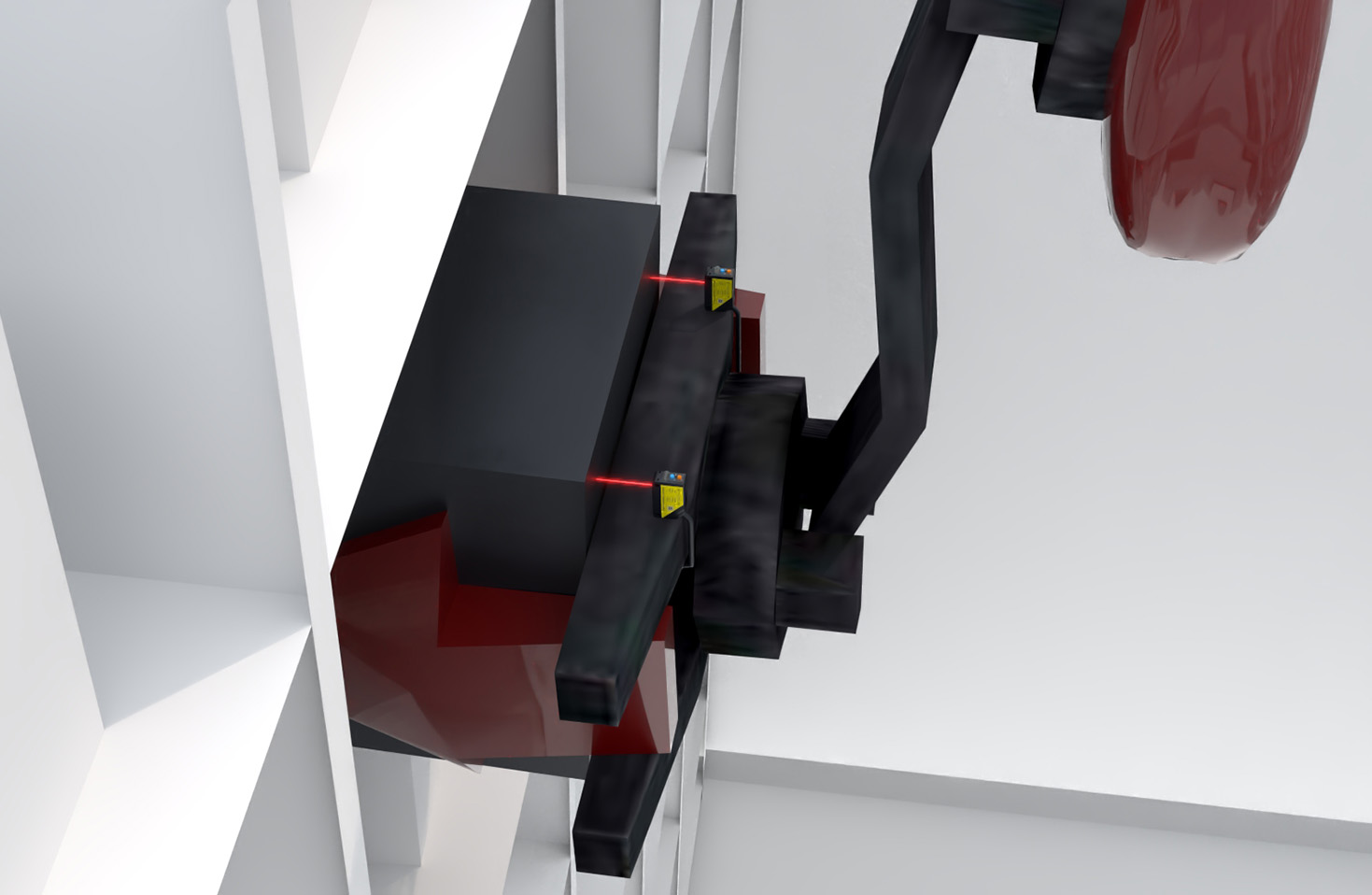
One of the standout advantages of laser inductive sensors is their high resolution and fast response times. They can detect minute changes in position or presence, often within micrometers, and react in milliseconds. This speed is crucial in high-throughput industries where even slight delays can lead to significant production losses. Additionally, their programmability and integration with Industrial Internet of Things (IIoT) systems enable real-time data collection and analysis. By connecting to centralized control units, these sensors contribute to predictive maintenance strategies, alerting operators to potential failures before they occur, thus minimizing downtime and optimizing resource allocation.
Despite their robustness, selecting the right laser inductive sensor requires careful consideration of factors such as sensing range, environmental conditions, and target material. For non-metallic objects, the laser aspect predominates, while inductive capabilities excel with metals. Modern advancements have led to compact, energy-efficient models that support Industry 4.0 initiatives, promoting smarter, more adaptive manufacturing ecosystems. As industries continue to prioritize automation and digital transformation, the role of laser inductive sensors is set to expand, paving the way for innovations like autonomous guided vehicles and advanced robotic vision systems.
In summary, laser inductive sensors represent a convergence of cutting-edge technologies that address the complex challenges of contemporary industrial operations. Their precision, durability, and adaptability not only enhance productivity but also foster safer, more sustainable practices. By enabling seamless interaction between machines and their surroundings, these sensors are fundamentally reshaping how industries approach automation, making them a cornerstone of modern engineering solutions.