Magnetic proximity sensors are indispensable components in modern industrial automation, offering non-contact detection of ferromagnetic objects. Their robust design, immunity to environmental contaminants, and reliable operation make them preferred choices in harsh conditions. To select and apply these sensors effectively, engineers must thoroughly understand their key performance parameters. This article delves into the critical specifications that define sensor capability and suitability for various applications.
The fundamental operating principle involves a permanent magnet and a sensing element, often a reed switch or a Hall-effect IC. When a ferromagnetic target enters the magnetic field, it triggers a state change in the sensor's output. The first and foremost parameter is the Sensing Distance (Sn). This nominal value, typically specified for a standard mild steel target, indicates the ideal detection range. It is crucial to note that the actual sensing distance can be affected by target material, size, shape, and temperature. Engineers must always refer to correction factors for materials other than mild steel and consider installation tolerances.
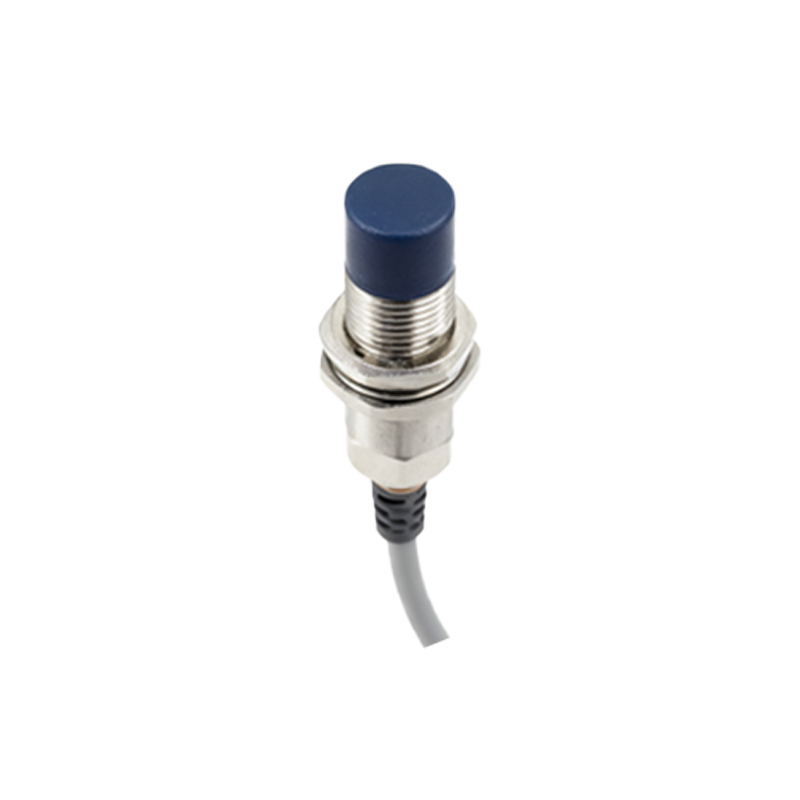
Hysteresis is a vital characteristic that ensures stable switching and prevents output oscillation when the target is near the trigger point. It is the difference between the switch-on point (when the target approaches) and the switch-off point (when the target recedes). A properly designed hysteresis prevents chattering, enhancing reliability in applications with vibration or minor target position variations.
The Switching Frequency defines the maximum number of on/off cycles the sensor can perform per second. This parameter is critical for high-speed applications, such as counting gear teeth or monitoring fast-moving parts on a conveyor. Exceeding this frequency can lead to missed detections. Related to dynamic performance is the Response Time, which includes both the sensor's internal signal processing delay and the rise/fall time of the output signal. For precise timing control, a fast response time is essential.
Output Configuration significantly impacts integration with control systems. Common types include NPN (sinking), PNP (sourcing), and NO/NC (normally open/normally closed) configurations. The choice depends on the PLC or controller input module requirements. Furthermore, solid-state outputs (like MOSFET) offer faster switching and longer life compared to mechanical reed contacts, though reed switches can handle higher voltage spikes.
Environmental robustness is defined by several parameters. Operating Voltage Range specifies the DC voltage within which the sensor functions correctly. A wider range offers more flexibility in different power supply scenarios. Current Consumption is important for energy-efficient designs and when multiple sensors are powered from a single source. The Short-Circuit and Reverse Polarity Protection features safeguard the sensor and the circuit from wiring errors and faults, reducing downtime and maintenance costs.
Temperature Range is a decisive factor. The specified operating and storage temperature ranges ensure the sensor maintains its performance in extreme ambient conditions, from freezing cold storage facilities to hot manufacturing cells. Thermal drift can affect the sensing distance, so datasheets often include derating curves.
Finally, physical specifications like Housing Material (e.g., brass, stainless steel, PBT plastic) and Ingress Protection (IP) Rating determine suitability for washdown, outdoor, or chemically aggressive environments. An IP67 or IP69K rating, for instance, indicates protection against dust and high-pressure water jets.
In conclusion, a meticulous evaluation of these parameters—sensing distance, hysteresis, switching frequency, response time, output type, electrical characteristics, temperature rating, and housing protection—against the specific application demands is the key to ensuring long-term, trouble-free operation of magnetic proximity sensors in any industrial setting.