In the realm of industrial automation, the demand for precise, reliable, and durable sensing solutions is paramount. Horton proximity switch sensors stand as a testament to engineering excellence, offering a critical component for countless applications across manufacturing, material handling, packaging, and automotive industries. These non-contact sensors detect the presence or absence of metallic objects without any physical touch, ensuring minimal wear and tear, high operational speed, and consistent performance in challenging environments.
The core technology behind Horton proximity sensors typically involves an oscillator circuit that generates a high-frequency electromagnetic field from the active face of the sensor. When a metallic target enters this field, eddy currents are induced, causing a change in the oscillation amplitude. This change is detected by the sensor's circuitry, which subsequently triggers a solid-state output switch. This fundamental principle allows for exceptionally fast response times and high switching frequencies, making them ideal for high-speed counting, positioning, and end-of-travel detection tasks.
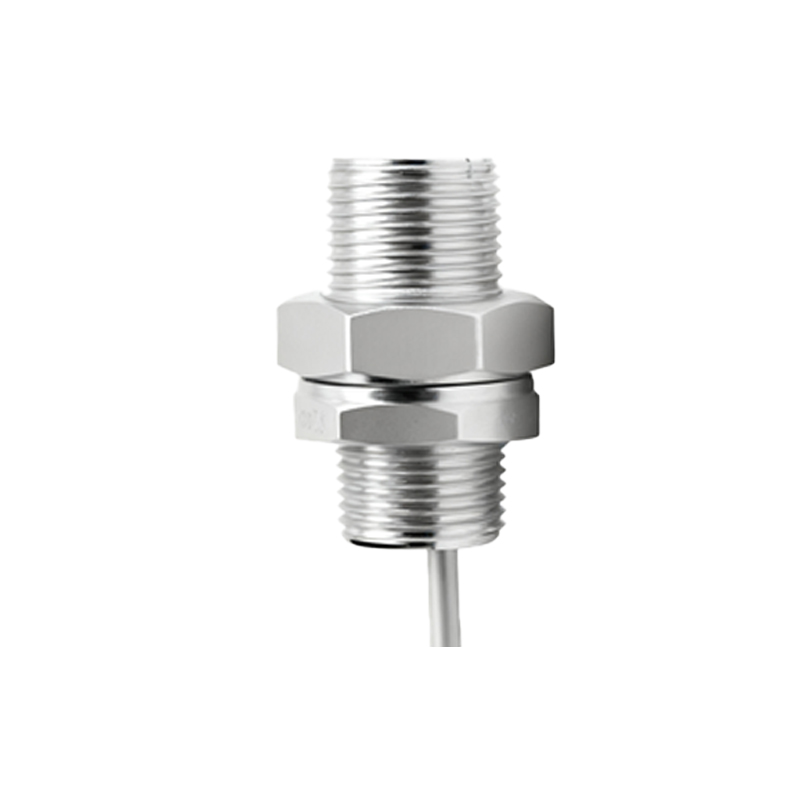
Horton's product range encompasses various types to suit specific needs. Inductive proximity sensors are the most common, designed to detect ferrous and non-ferrous metals. Key specifications include sensing distance, which can vary from a few millimeters to several tens of millimeters, and the housing material—often constructed from robust nickel-plated brass, stainless steel, or PBT plastic to withstand harsh conditions involving coolants, oils, and metal chips. Many models feature built-in LED status indicators for easy diagnostics and installation.
A significant advantage of Horton proximity switches is their inherent ruggedness. They are inherently resistant to environmental contaminants like dust, dirt, and moisture, with many models boasting IP67 or higher ingress protection ratings. This makes them suitable for use in washdown areas or outdoor applications. Furthermore, their solid-state design provides a long operational life with virtually no maintenance required, a crucial factor for reducing downtime and total cost of ownership in continuous production processes.
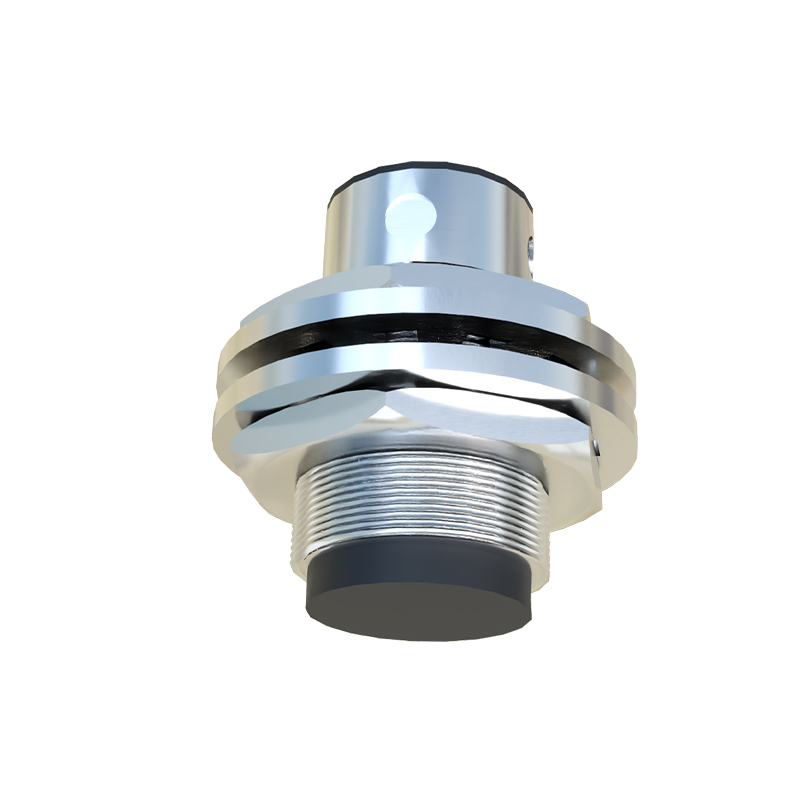
When integrating these sensors, engineers must consider several factors. The choice between shielded (flush-mountable) and unshielded (non-flush) versions affects the installation and sensing characteristics in metallic environments. Output configurations, such as NPN (sinking) or PNP (sourcing) transistor outputs, and normally open (NO) or normally closed (NC) logic, must be compatible with the programmable logic controller (PLC) or other control systems. Proper mounting, alignment, and ensuring an adequate margin from the rated sensing distance are essential for optimal performance and avoiding false triggers.
In practical applications, Horton sensors prove indispensable. On an automated assembly line, they verify the presence of a component before a robotic arm engages. In conveyor systems, they detect the position of packages for sorting or diverting. Within machine tools, they serve as limit switches to prevent over-travel of moving parts. Their reliability ensures process integrity, enhances safety by providing accurate machine state feedback, and contributes significantly to overall system efficiency.
Looking forward, the evolution of Industry 4.0 and the Industrial Internet of Things (IIoT) places new expectations on sensor technology. Future iterations of proximity sensors may incorporate enhanced diagnostic capabilities, such as predictive maintenance alerts or IO-Link communication for digital parameter setting and real-time data exchange. Horton, by maintaining a focus on core principles of precision, durability, and innovation, is well-positioned to meet these advancing demands.
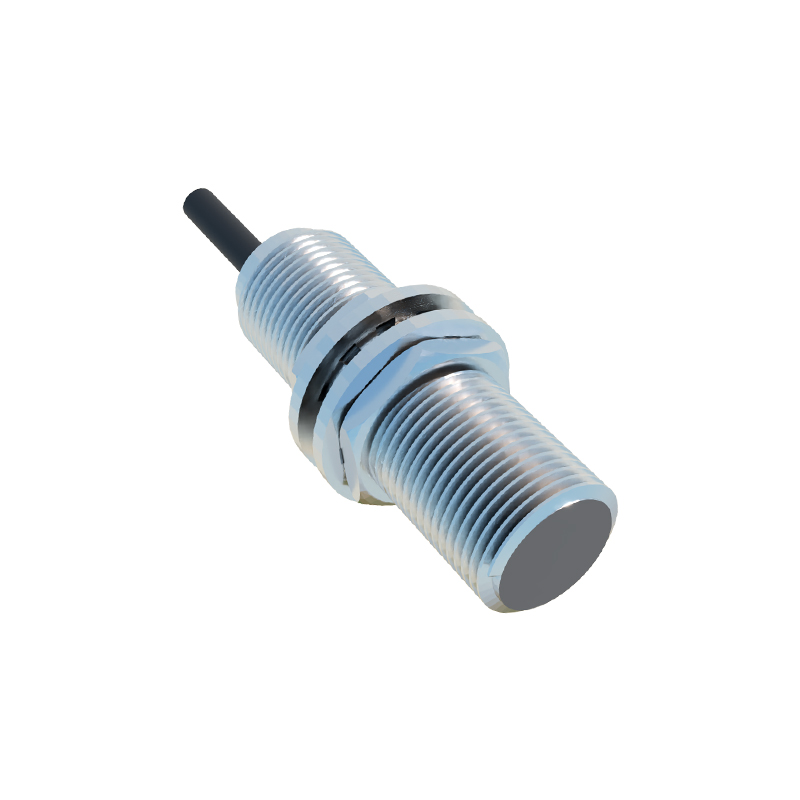
In conclusion, Horton proximity switch sensors represent a foundational element in modern industrial control systems. Their ability to provide accurate, non-contact detection in demanding settings makes them a trusted choice for engineers seeking to build resilient and efficient automated operations. Selecting the right sensor, understanding its specifications, and applying it correctly are key steps in leveraging this technology to achieve superior operational outcomes.