In the rapidly evolving landscape of industrial manufacturing, laser welding has emerged as a cornerstone technology for joining materials with unparalleled precision, speed, and strength. At the heart of this sophisticated process lies a critical component: the laser welding head sensor. These advanced sensors are not merely passive elements; they are intelligent systems that actively monitor, control, and optimize the welding operation in real-time, ensuring consistent quality and maximizing productivity. This article delves into the core functionalities, technological advancements, and significant benefits of modern laser welding head sensors.
The primary role of sensors integrated into a laser welding head is to provide closed-loop feedback. Unlike traditional open-loop systems that operate on pre-set parameters, sensor-equipped systems continuously gather data on the welding process itself. Key parameters monitored include seam tracking, focus position, weld pool geometry, temperature, and plasma/plume emission. For instance, through-the-lens (TTL) cameras or dedicated CCD/CMOS sensors visually track the joint seam before and during welding. This allows for real-time path correction, compensating for part misalignment, thermal distortion, or inconsistencies in workpiece fit-up. This capability is indispensable for applications in automotive body-in-white assembly or aerospace component fabrication, where tolerances are exceptionally tight.
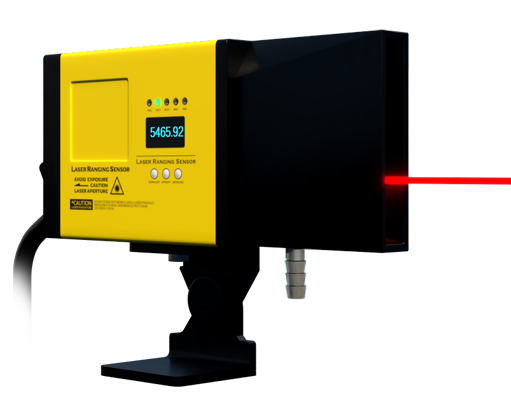
Another vital function is the precise control of the laser focal point. Maintaining the correct focus position relative to the workpiece surface is crucial for achieving optimal energy density and weld penetration. Capacitive or optical displacement sensors measure the stand-off distance between the welding head nozzle and the workpiece. Any deviation triggers an immediate adjustment in the Z-axis, often via a integrated servo motor, ensuring the laser spot remains perfectly focused throughout the weld seam, even on curved or uneven surfaces.
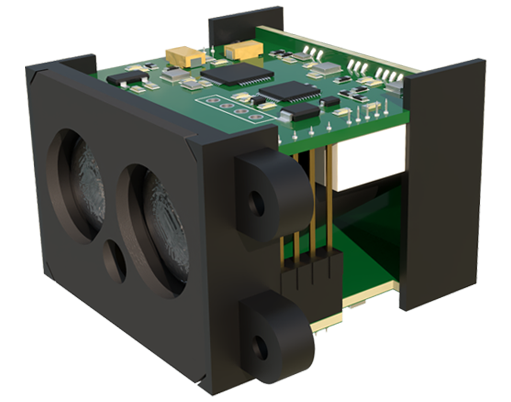
Beyond geometry, process monitoring sensors analyze the physical phenomena of the weld pool and the surrounding plasma. Photodiodes or spectrometers detect specific wavelengths of light emitted from the molten pool and the plasma plume above it. Fluctuations in this optical emission correlate directly with process stability and potential defects such as porosity, undercut, or lack of penetration. Advanced systems employ machine learning algorithms to analyze these spectral signatures, enabling not just detection but also prediction of flaws, facilitating proactive parameter adjustment or flagging the part for inspection.
The integration of these sensors has propelled laser welding into new realms of automation and Industry 4.0 readiness. Modern welding heads often feature embedded processors and standardized communication protocols like OPC UA or PROFINET. This allows sensor data to be streamed directly to a central Manufacturing Execution System (MES) or cloud platform. The result is comprehensive traceability, where every weld is digitally documented with its complete parameter set and sensor log. This data can be used for predictive maintenance on the welding head itself, optimizing consumable life (like protective windows), and for continuous process improvement through big data analytics.
The benefits for manufacturers are substantial and multi-faceted. First and foremost is a dramatic improvement in first-pass yield and overall weld quality consistency, drastically reducing scrap and rework costs. Secondly, the ability to weld accurately without perfect part fixturing reduces upfront tooling costs and increases production line flexibility. Thirdly, the real-time monitoring reduces the need for extensive post-weld non-destructive testing (NDT), saving time and resources. Finally, the wealth of process data empowers engineers to push the boundaries of weldable materials and joint designs, fostering innovation in product development.
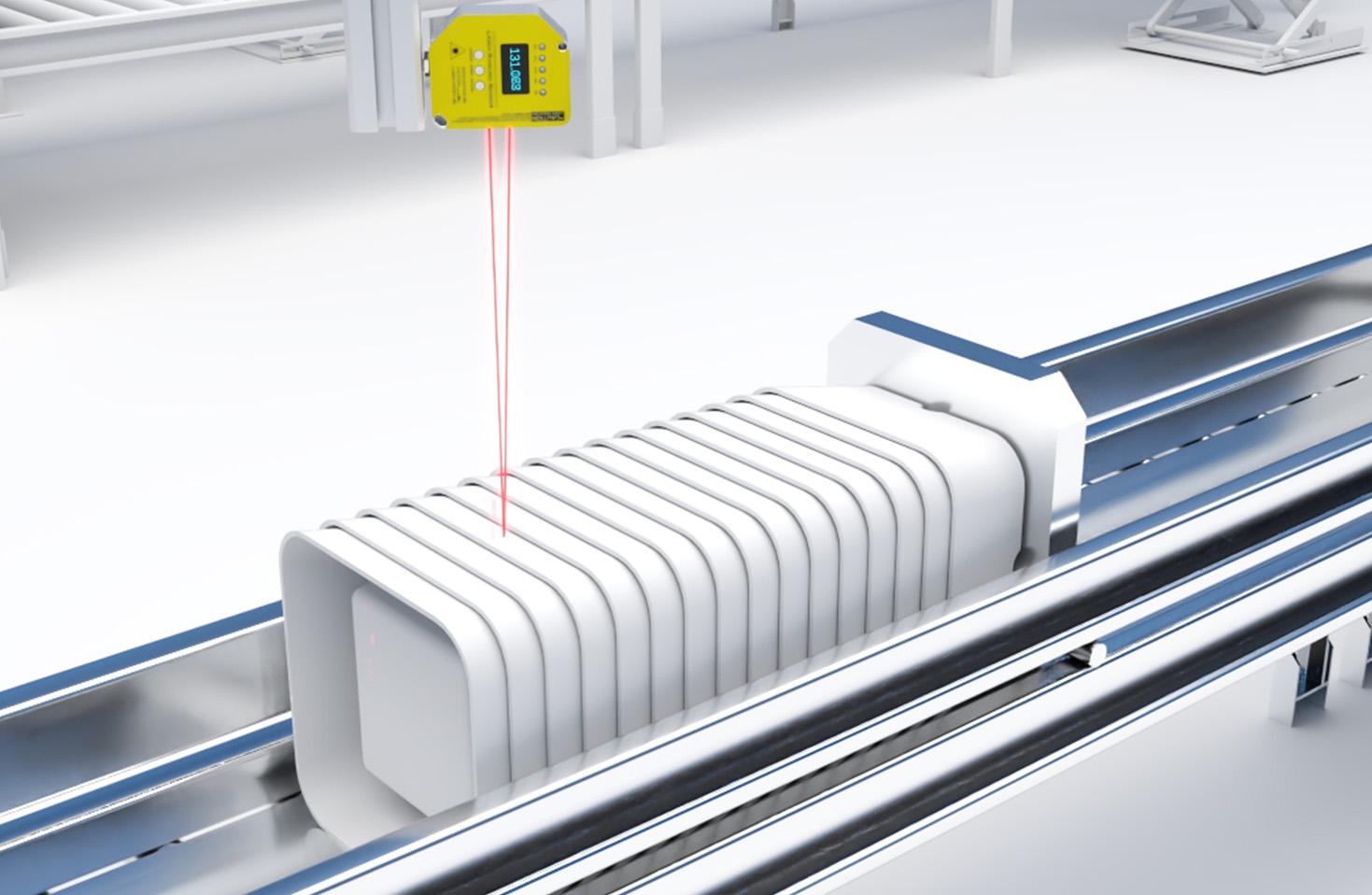
In conclusion, laser welding head sensors have transitioned from optional accessories to essential, intelligent subsystems. They are the enabling technology that transforms a powerful but rigid laser beam into an adaptive, reliable, and data-rich manufacturing tool. As sensor technology continues to advance—with trends pointing towards higher-resolution 3D scanning, multi-spectral analysis, and deeper AI integration—their role in achieving the goals of smart, agile, and zero-defect manufacturing will only become more pronounced. For any operation serious about leveraging the full potential of laser welding, investing in and understanding these sophisticated sensory systems is no longer an option; it is an imperative for competitive advantage.