In the realm of industrial automation and control systems, proximity sensors are indispensable components. They detect the presence or absence of an object without physical contact, enabling precise, reliable, and wear-free operation in countless applications. However, with a vast array of models available from manufacturers like Omron, Schneider Electric, Siemens, Pepperl+Fuchs, and Balluff, selecting the right model can be a daunting task. This guide delves into the critical factors and popular model series to help engineers make an informed decision.
The primary consideration is the sensing technology. Inductive proximity sensors are the workhorses for detecting metallic objects. They generate an electromagnetic field and react to eddy current losses in the target. For non-metallic materials, capacitive sensors are the go-to choice, as they detect changes in capacitance caused by the presence of any material. Ultrasonic sensors use sound waves and are excellent for detecting objects at greater distances or under challenging conditions like dust or fog. Finally, photoelectric sensors utilize light beams and are versatile for long-range detection and recognizing colors or contrasts.
Once the technology is chosen, the specific model must match the application's requirements. Key specifications include:
Sensing Distance: The nominal operating distance (Sn). Consider factors like target material, size, and installation conditions.
Output Type: Digital outputs (PNP/NPN, NO/NC) are standard. Analog outputs (4-20mA, 0-10V) are used for distance-proportional measurement.
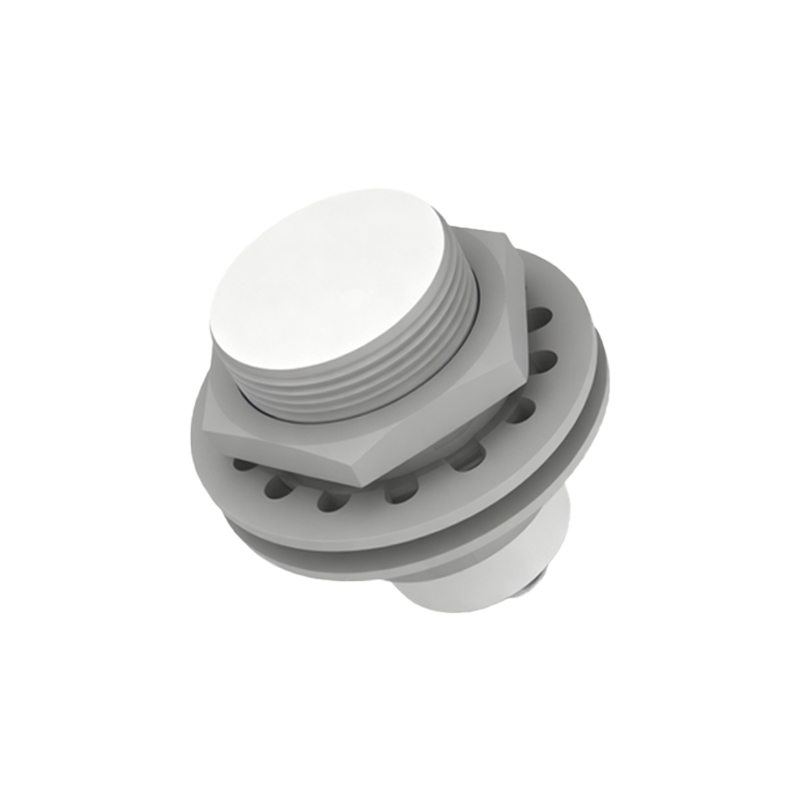
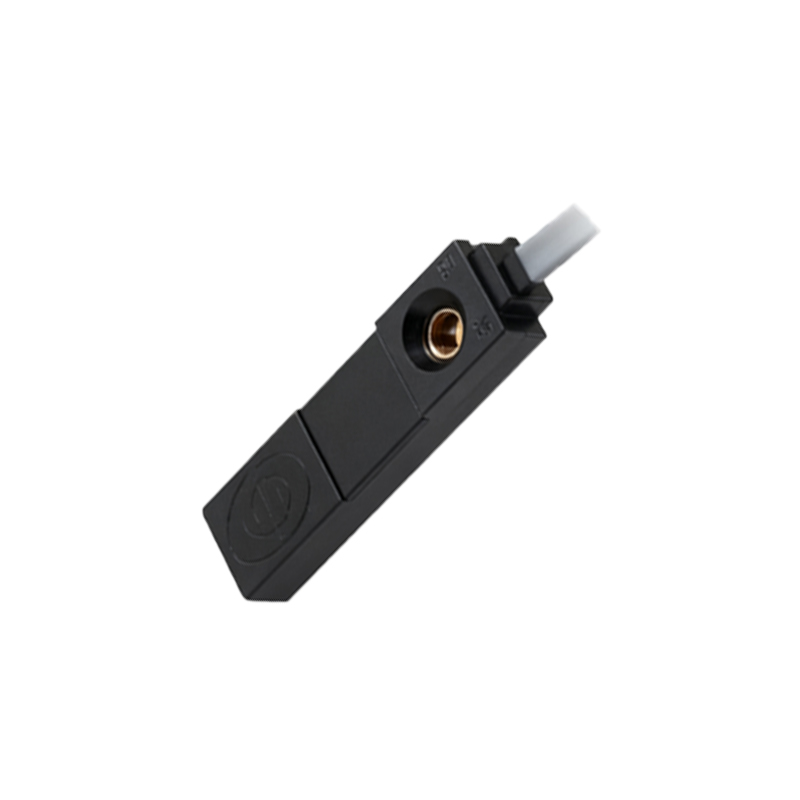
Housing and Form Factor: Cylindrical (e.g., M8, M12, M18, M30 threaded barrels) or rectangular shapes. The IP (Ingress Protection) rating is crucial for environmental resilience against dust and water.
Connection Method: Pre-wired cables, quick-disconnect connectors (M8, M12), or terminal blocks.
Special Features: High-temperature resistance, weld-field immunity (for inductive sensors), or chemical resistance.
Let's examine some prominent model series across technologies.
For Inductive Sensing:
Omron E2E Series: A classic, highly reliable cylindrical series. Models like the E2E-X2E1 (M8) or E2E-X10ME1 (M18) offer robust performance for general metal detection.
Siemens 3RG Series (SIRIUS): Known for exceptional durability and a wide range of variants, including those with IO-Link capability for advanced diagnostics and parameterization.
Pepperl+Fuchs NJ Series: Compact, rectangular sensors ideal for tight spaces, offering high switching frequencies and excellent noise immunity.
For Capacitive Sensing:
Balluff BC Series: Renowned for their sensitivity and ability to detect materials through non-metallic container walls, making them perfect for level detection.
Schneider Electric XCK Series: Offer adjustable sensitivity via a potentiometer, simplifying setup for detecting various materials like plastics, wood, or liquids.
For Ultrasonic Sensing:
Pepperl+Fuchs UC Series: Provide precise, continuous distance measurement and object detection up to several meters, unaffected by color or transparency.
Siemens 3RG Series (Ultrasonic): Integrate seamlessly into SIMATIC environments, offering both analog and switching outputs.
For Photoelectric Sensing:
Omron E3Z Series: A benchmark for through-beam, retro-reflective, and diffuse-reflective models. They are compact, energy-efficient, and feature easy-to-see status indicators.
Banner Engineering QS18 Series: Extremely versatile and rugged sensors with a legendary reputation for reliability in demanding factory settings.
Beyond the part number, the selection process must be holistic. Consider the electrical compatibility with your PLC (sinking vs. sourcing), the mechanical mounting constraints, and the ambient environment (temperature, shock, vibration, washdown). For modern smart factories, sensors with IO-Link communication (e.g., Balluff BIS series, ifm IOL series) offer immense value by providing detailed process data, condition monitoring, and remote configuration, paving the way for Industry 4.0 applications.
In conclusion, there is no single "best" model of proximity sensor. The optimal choice is a function of the target material, required sensing distance, environmental conditions, electrical interface, and mechanical design. Engineers are advised to consult detailed datasheets, use manufacturer selection tools, and, when in doubt, engage with technical support. A correctly specified sensor model ensures system reliability, reduces downtime, and contributes to the overall efficiency and safety of the automated process. Always verify the latest model numbers and specifications directly from the manufacturer's official resources before finalizing your design.