In the realm of precision measurement and industrial automation, laser height displacement sensors have emerged as indispensable tools. These non-contact measurement devices offer unparalleled accuracy, speed, and reliability for a vast array of applications, from quality control on manufacturing lines to research and development in advanced laboratories. This article delves into the core principles, diverse applications, and critical selection criteria for these sophisticated instruments.
At its heart, a laser height displacement sensor operates on the principle of optical triangulation. The sensor projects a focused beam of laser light onto the target surface. The light reflected from the surface is then captured by a receiving lens and focused onto a position-sensitive detector, typically a CCD or PSD array. When the distance to the target changes, the position of the reflected light spot on the detector shifts accordingly. By precisely calculating this shift, the sensor's internal processor can determine the target's displacement or height with micron-level or even sub-micron resolution. This fundamental method allows for measurements that are immune to the wear and tear associated with contact probes and are capable of tracking fast-moving or delicate objects.
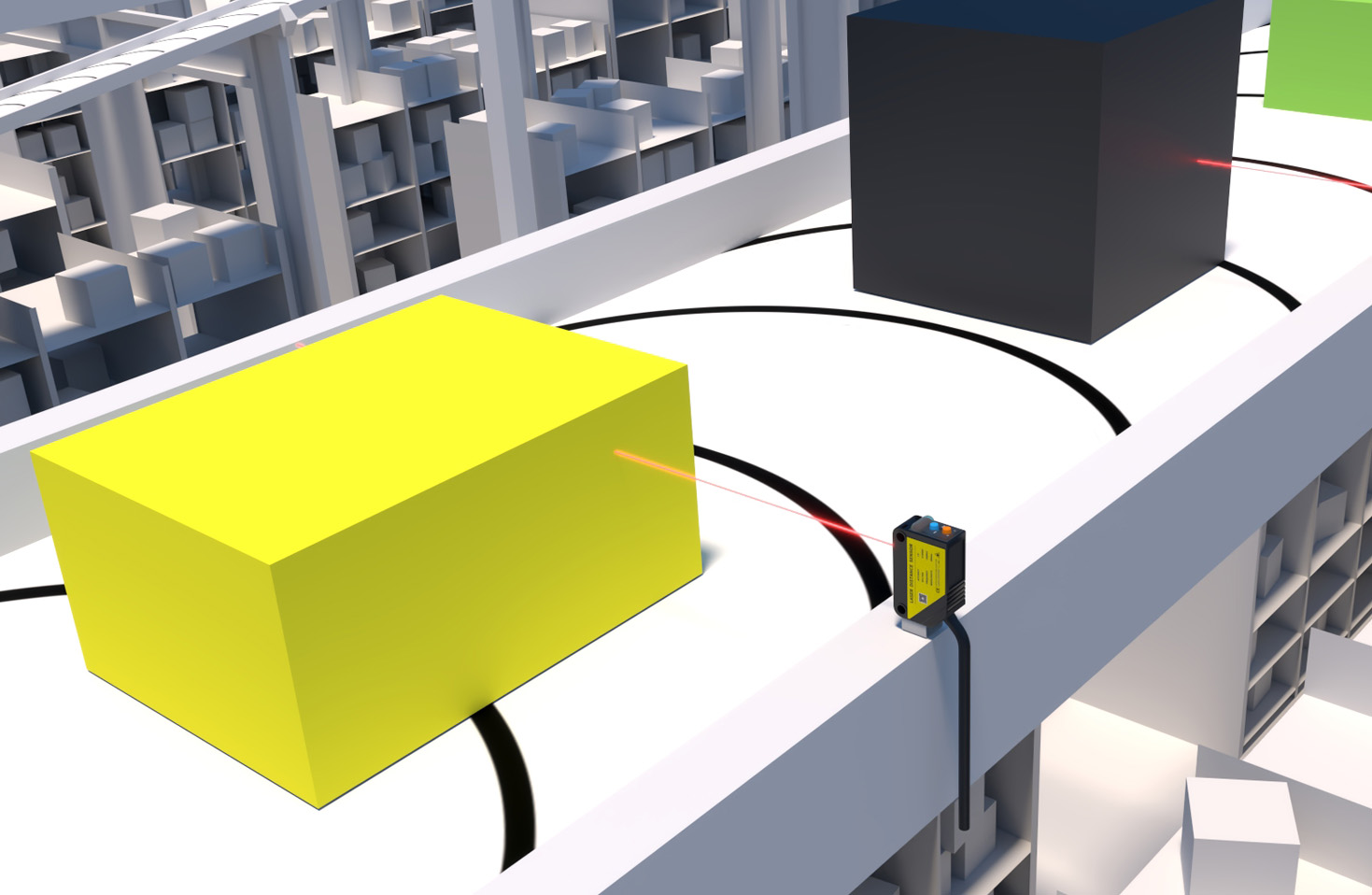
The advantages of laser displacement sensors are manifold. Their non-contact nature is paramount, eliminating the risk of damaging soft, hot, or highly finished surfaces. They provide extremely high measurement speeds, often in the kilohertz range, making them ideal for dynamic processes and high-throughput production environments. Furthermore, they offer excellent linearity and stability over time. Modern sensors incorporate advanced features such as automatic sensitivity adjustment to handle varying surface colors and textures, peak-hold functions for measuring vibrating targets, and sophisticated data filtering algorithms to ensure stable readings even in challenging conditions.
The applications for laser height displacement sensors span virtually every industry. In automotive manufacturing, they are used to measure critical gaps and flushness between body panels, inspect brake disc thickness, and control robot welding paths. In electronics, they verify the coplanarity of IC leads, measure solder paste height, and inspect component placement on PCBs. The semiconductor industry relies on them for wafer thickness and warpage measurement. In metal processing, they monitor sheet flatness, roll gap dimensions, and product thickness in real-time. Beyond manufacturing, they are crucial in fields like aerospace for profiling turbine blades, in pharmaceuticals for checking tablet thickness, and in civil engineering for monitoring structural deformation.
Selecting the appropriate laser displacement sensor requires careful consideration of several key parameters. First, define the required measuring range and resolution. A sensor with a shorter range typically offers higher resolution. Next, consider the target's characteristics: its material, color, surface finish (rough, shiny, transparent), and possible tilting angles. A shiny surface may require a sensor with a specialized optical design to avoid saturation, while a dark, absorbent surface might need a more powerful laser. The required measurement speed and response time are critical for dynamic applications. Environmental factors such as ambient light, temperature fluctuations, dust, and vibrations must also be accounted for; many sensors are built with robust housings and protective ratings (e.g., IP67) for harsh industrial settings. Finally, the output interface (analog voltage/current, digital RS-232/485, Ethernet, EtherCAT) must be compatible with the existing data acquisition or control system.
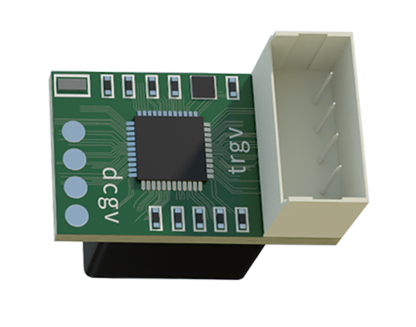
Integration and calibration are vital steps for optimal performance. Proper mechanical mounting to minimize vibration, correct alignment of the laser beam, and stable power supply are essential. Initial calibration against a known reference, often using gauge blocks, establishes the sensor's baseline accuracy. Regular maintenance, primarily keeping the lens clean from dust and oil mist, ensures long-term reliability. Users should also leverage the sensor's software features for setting measurement windows, applying filters, and configuring alarm outputs for pass/fail judgments.
In conclusion, laser height displacement sensors are powerful enablers of precision, quality, and efficiency in modern industry. By understanding their operating principles, recognizing their vast application potential, and meticulously selecting and applying them based on specific needs, engineers and technicians can unlock significant value in their measurement and control processes. As technology advances, we can expect these sensors to become even faster, more accurate, and more intelligent, further solidifying their role as a cornerstone of industrial metrology.