In the realm of modern smartphone design, the integration of various ambient sensors is paramount for both functionality and user experience. The Huawei Mate 9, a flagship device released in late 2016, stands as a significant model in Huawei's lineup, renowned for its performance and Leica co-engineered dual-camera system. A common inquiry among technical professionals and informed users pertains to its sensor suite, specifically: does the Huawei Mate 9 incorporate a proximity sensor? The unequivocal answer is yes. The Huawei Mate 9 is equipped with a standard infrared (IR) proximity sensor, a critical component for enabling several key device behaviors.
The primary function of the proximity sensor is to detect the presence of nearby objects without any physical contact. In the context of the Mate 9, this sensor is strategically positioned near the earpiece at the top of the display bezel. During a voice call, when the device is brought close to the user's ear, the IR proximity sensor detects this proximity and signals the system to turn off the display. This serves multiple technical purposes: it conserves battery power by deactivating the screen, prevents accidental screen touches (such as cheek-initiated inputs) that could disrupt the call, and reduces unnecessary electromagnetic radiation exposure to the user's head during the call. Once the phone is moved away from the ear, the sensor detects the absence of a close object and promptly restores the display functionality.
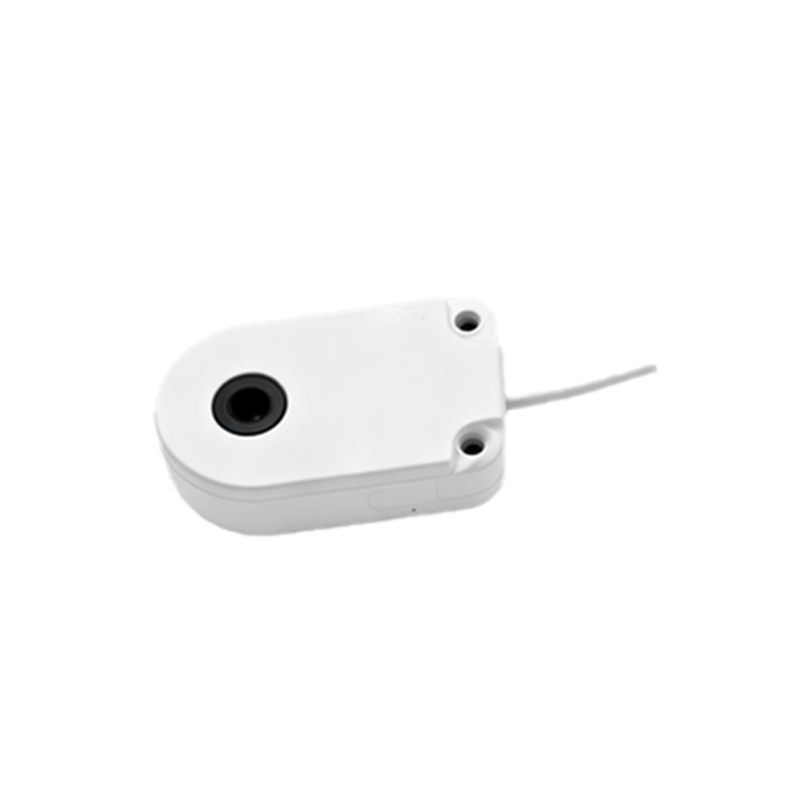
From an engineering perspective, the IR proximity sensor operates on a simple yet effective principle. It emits an invisible infrared light beam. When an object comes within a certain range—typically a few centimeters—this beam is reflected back to a receiver within the sensor module. The sensor's controller then measures the intensity of the reflected light to determine the object's distance. The firmware is calibrated with a threshold value; if the reflected intensity exceeds this threshold, an "object near" state is triggered. The Mate 9's sensor calibration is generally precise, ensuring reliable operation during calls.
Beyond telephony, the proximity sensor on the Mate 9 also interacts with other system functions. For instance, it can be utilized by certain applications to enable gesture controls or to prevent the screen from waking when the device is in a confined space like a pocket or bag, a feature often managed in conjunction with the ambient light sensor. Speaking of which, the Mate 9 also features an ambient light sensor, usually housed in the same module or adjacent to the proximity sensor. This sensor automatically adjusts the screen brightness based on environmental lighting conditions, working independently yet complementarily with the proximity sensor to optimize power management and viewing comfort.
Troubleshooting potential issues with the proximity sensor is a standard part of device maintenance. Users or technicians might occasionally encounter problems where the screen fails to turn off during calls or remains off afterward. Common diagnostic steps include: checking for physical obstructions like poorly fitted screen protectors that cover the sensor area, ensuring the sensor aperture is clean and free from dust or debris, and performing a software recalibration if available within the device's service menu (often accessible via dialer codes like##64663## on Huawei devices of that era for hardware tests). A persistent hardware failure, though uncommon, would require module replacement.
In summary, the Huawei Mate 9 is indeed outfitted with a fully functional infrared proximity sensor. This component is a fundamental part of its hardware design, contributing significantly to the device's intuitive usability and power efficiency. Its operation is seamless and integral to the core phone application. For engineers, developers, and technically-minded users, understanding the presence and role of this sensor is essential for comprehensive device analysis, application development that might leverage sensor data, and effective hardware troubleshooting. The Mate 9's sensor package, including the proximity sensor, reflects the industry-standard practices of its time, ensuring a robust and user-friendly experience.