In the realm of industrial automation and motion control, the precise detection of rotational position is paramount. Proximity sensors, particularly inductive and capacitive types, are fundamental components in systems involving circular or rotary motion. The concept of the "origin" or "home position" for such sensors is critical for establishing a reliable reference point, enabling accurate angular measurement, synchronization, and repeatable operation of machinery.
The origin point for a proximity sensor in a circular motion context is not merely a physical location but a defined electrical state within the control system. It is the angular position on a rotating element—such as a shaft, gear, or drum—where the sensor's output signal transitions in a predetermined manner. This transition is typically from a "non-detected" state to a "detected" state (or vice-versa) as a target, often a metallic protrusion or a dedicated flag, passes within the sensor's effective sensing range. This event generates a discrete pulse that the programmable logic controller (PLC) or motion controller interprets as the zero-degree reference or the start of a new cycle.
Establishing this origin is a foundational step in system commissioning. The process usually involves a homing routine, where the drive system rotates the mechanism slowly until the sensor triggers. Upon detection, the controller records the corresponding encoder count or resolver position, assigning it as the home or zero position. All subsequent angular positions are then calculated relative to this origin. The accuracy and repeatability of this process directly influence the overall precision of the system. Factors such as sensor mounting stability, target geometry, sensing distance, and environmental interference (like electrical noise or temperature fluctuations) must be meticulously controlled to ensure the origin signal is crisp and consistent.
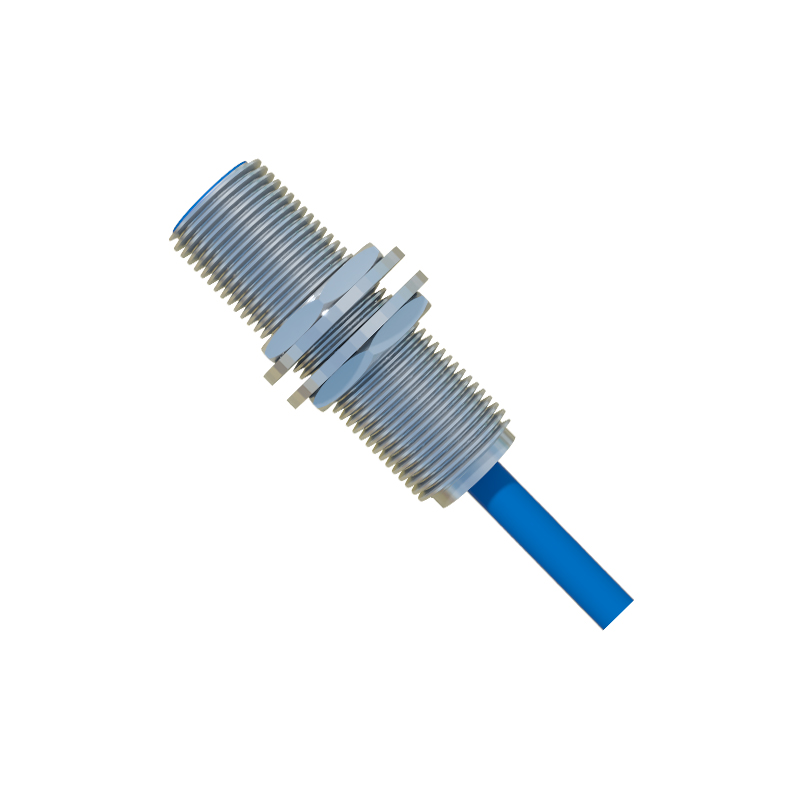
The choice of sensor technology is dictated by the application. Inductive proximity sensors are predominantly used for detecting metallic targets on ferrous or non-ferrous rotating components. Their operation is based on the principle of electromagnetic induction, where an oscillating circuit is dampened by the presence of a metal target, causing an output switch. For non-metallic targets or applications requiring detection through certain materials, capacitive proximity sensors are employed. They detect changes in capacitance caused by the presence of any dielectric material. In high-speed rotary applications, the sensor's switching frequency and response time are critical specifications to prevent missed counts or signal degradation.
Beyond simple origin detection, proximity sensors in circular systems serve multiple functions. They can provide index pulses for multi-turn absolute encoders, signal the completion of one full revolution, or act as safety interlocks to confirm a rotating guard is in the closed position before machine start-up. In cam timer applications or multi-station rotary tables, multiple sensors may be placed at different angular positions to trigger sequential operations, with one designated as the master origin for synchronization.
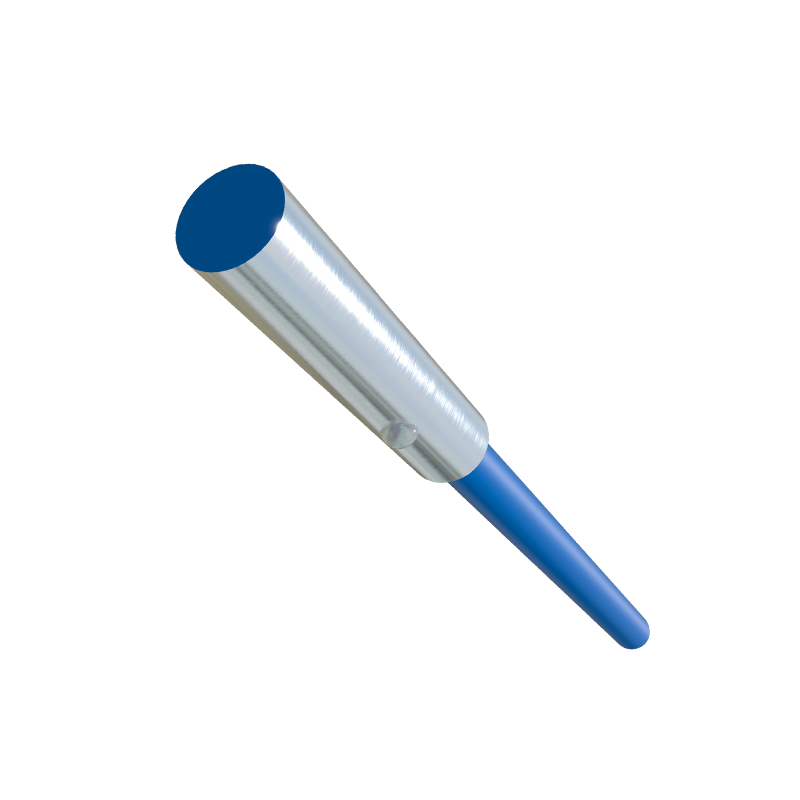
The reliability of the origin signal is non-negotiable. A false or missed origin pulse can lead to catastrophic misalignment, product damage, or unsafe conditions. Therefore, robust installation practices are essential. Sensors should be mounted securely to resist vibration, with adequate clearance from the target to avoid physical contact. The sensing face should be aligned parallel to the target's path of motion for optimal signal strength. Shielding and proper grounding of cabling are mandatory to mitigate electromagnetic interference, especially in environments with variable-frequency drives or welding equipment.
In modern networked systems, smart sensors with IO-Link capability offer enhanced diagnostics. They can communicate parameters like operating distance, signal strength, and temperature back to the controller, allowing for predictive maintenance. If the signal strength at the origin point begins to degrade due to mechanical wear or contamination, maintenance can be scheduled proactively before a failure occurs, thus minimizing unplanned downtime.
In conclusion, the origin point established by a proximity sensor in a circular motion system is the cornerstone of rotational positioning integrity. Its precise definition and consistent detection enable the complex, coordinated dances of modern automated equipment. From packaging machines and robotic arms to wind turbine yaw control and semiconductor wafer handling, this humble electrical pulse forms the baseline from which all rotary precision is derived. Engineers must give due diligence to the selection, installation, and maintenance of these sensors to ensure the long-term accuracy, efficiency, and safety of their rotating machinery.