In the realm of industrial automation and precise object detection, background suppression laser sensors have emerged as a critical technology. Unlike standard diffuse reflection sensors, these advanced devices can reliably detect an object within a precise, predefined sensing range while ignoring any surfaces or objects beyond that set distance—the "background." This capability is paramount in applications where the target object's position varies or where the background environment is inconsistent.
The core principle of background suppression (often abbreviated as BGS) relies on triangulation. The sensor emits a focused laser beam onto the target. The reflected light is not captured by a single receiver element; instead, it is projected onto a position-sensitive detector (PSD) or a specialized optical element. The key differentiator is that the angle of the reflected light changes depending on the distance of the object. The sensor's internal optics and electronics are calibrated to evaluate this angle. Light returning from a point within the defined sensing range falls on a specific active area of the detector, triggering the output. Light reflected from a surface outside this range—the background—strikes a different, inactive area and is effectively ignored. This method provides exceptional accuracy and stability, largely independent of the object's color, reflectivity, or surface texture, a significant advantage over conventional sensors.
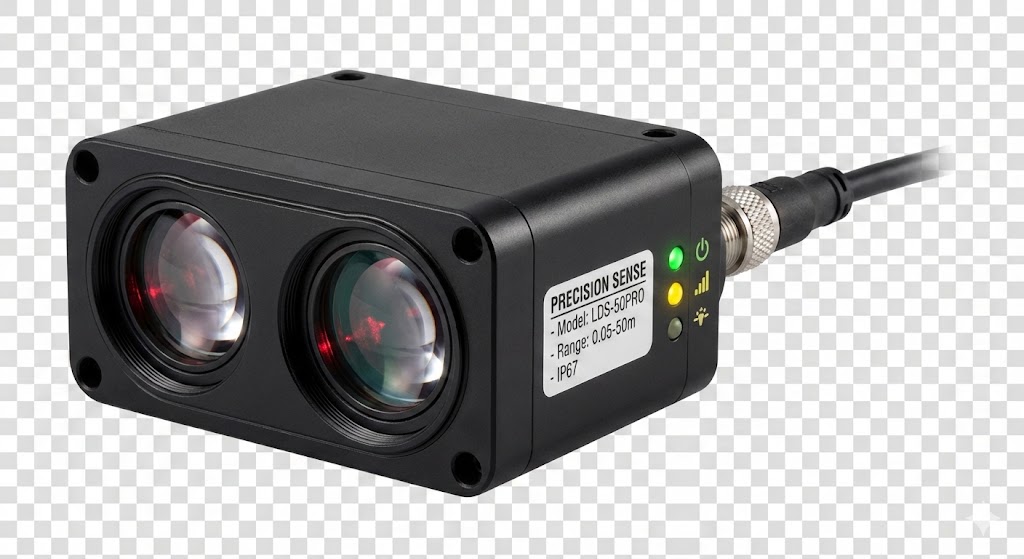
The applications for background suppression laser sensors are vast and span numerous industries. In packaging and material handling, they are indispensable for precise carton presence detection on conveyors, regardless of the conveyor belt color or the presence of other packages further down the line. In robotics, particularly for bin picking and precise part placement, these sensors ensure the gripper or tool engages at the exact correct distance. The automotive industry utilizes them for edge guidance control, weld seam tracking, and verifying component assembly gaps. In electronics manufacturing, they detect minute components on tape feeders or verify the seating of connectors. Logistics automation relies on them for palletizing and depalletizing, where they must detect the top layer of a stack without being fooled by the layers beneath.
Selecting the appropriate background suppression laser sensor requires careful consideration of several technical parameters. First is the sensing range and the setting method. Some sensors offer a fixed range, while others provide teach-in functionality via a button or remote input, allowing users to program the exact near and far limits of the detection window. The size of the laser spot is crucial for detecting small objects or edges; a finer spot enables higher precision. Response time and switching frequency determine how fast the sensor can operate in high-speed applications. Environmental ratings, such as IP67 for dust and water ingress protection, are essential for harsh industrial environments. Finally, the output type (PNP/NPN, analog, or IO-Link) must be compatible with the existing control system. IO-Link sensors offer advanced benefits like remote parameter setting, condition monitoring, and digital process data transmission.
When compared to other sensor types, the advantages of BGS laser sensors become clear. Against ultrasonic sensors, they offer a much smaller, more precise spot and are unaffected by air temperature or humidity. Compared to standard diffuse reflection sensors, they eliminate false triggers from background objects and provide consistent performance on varied surfaces. However, they are generally more sensitive to contamination on the lens than through-beam sensors and are typically more expensive than basic photoelectric variants.
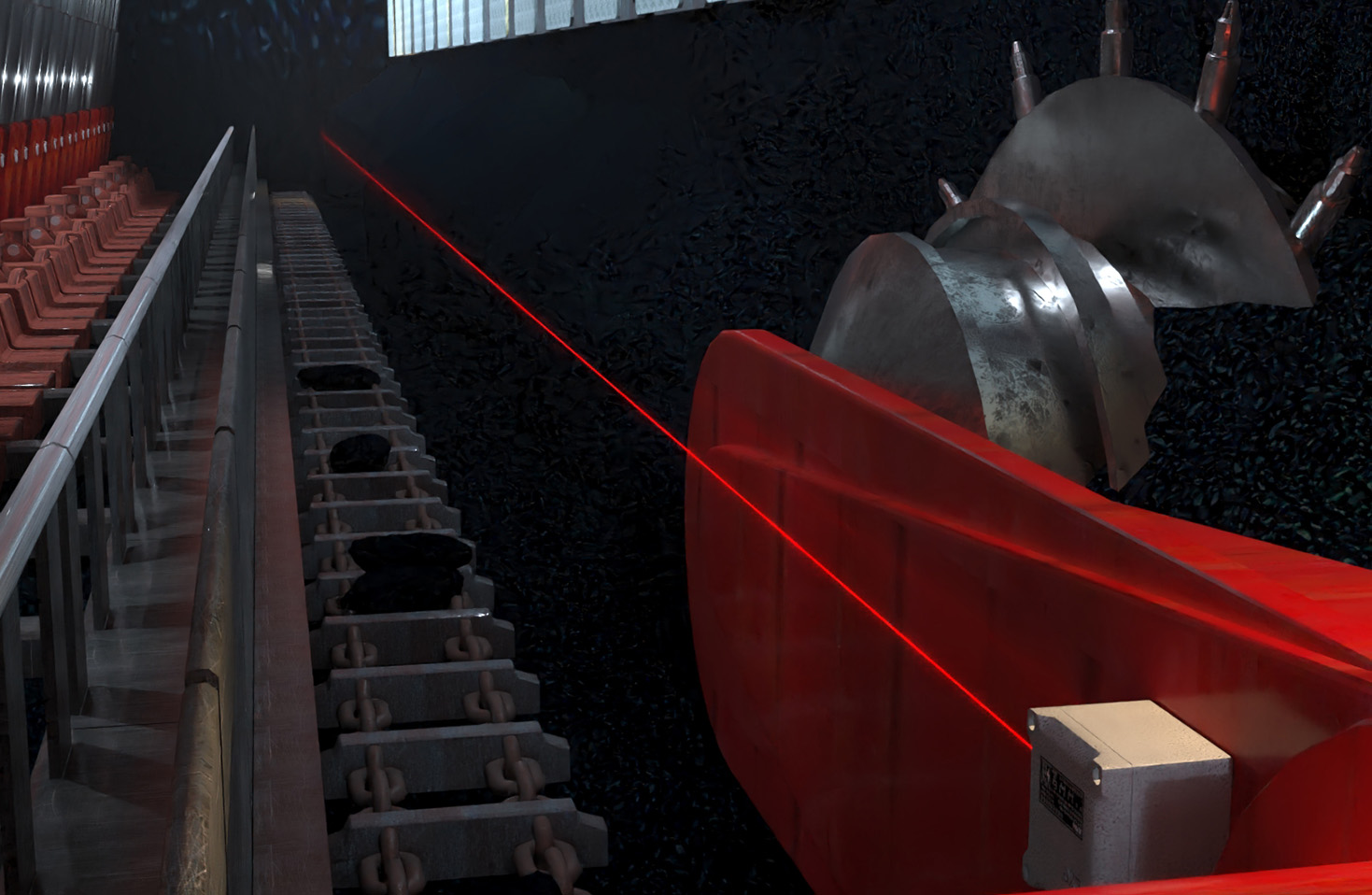
In conclusion, background suppression laser sensors represent a sophisticated solution for demanding positioning and detection tasks. Their ability to ignore background interference provides reliability that is often unattainable with other photoelectric principles. For engineers and system integrators, understanding the triangulation principle, recognizing the ideal application scenarios, and meticulously evaluating specifications are the keys to unlocking their full potential, thereby enhancing system accuracy, flexibility, and overall operational efficiency.