In the realm of industrial automation and machine control, proximity position sensors are indispensable components. These devices, often unseen yet critical, detect the presence or absence of an object without physical contact, providing vital data for system logic, safety, and precision positioning. This article delves into the core principles, primary types, key applications, and essential selection criteria for these ubiquitous sensors.
At their heart, proximity sensors operate on various physical principles to sense a target. The most common types include Inductive, Capacitive, Ultrasonic, and Photoelectric sensors. Inductive proximity sensors generate an electromagnetic field and detect the eddy current losses caused by metallic targets. They are robust, reliable, and exclusively for metal detection, making them ideal for harsh factory environments with oil, coolant, and dust. Capacitive sensors, conversely, can detect both metallic and non-metallic materials (plastics, wood, liquids) by measuring changes in capacitance in the sensing field. They are perfect for level detection or sensing through non-metallic container walls.
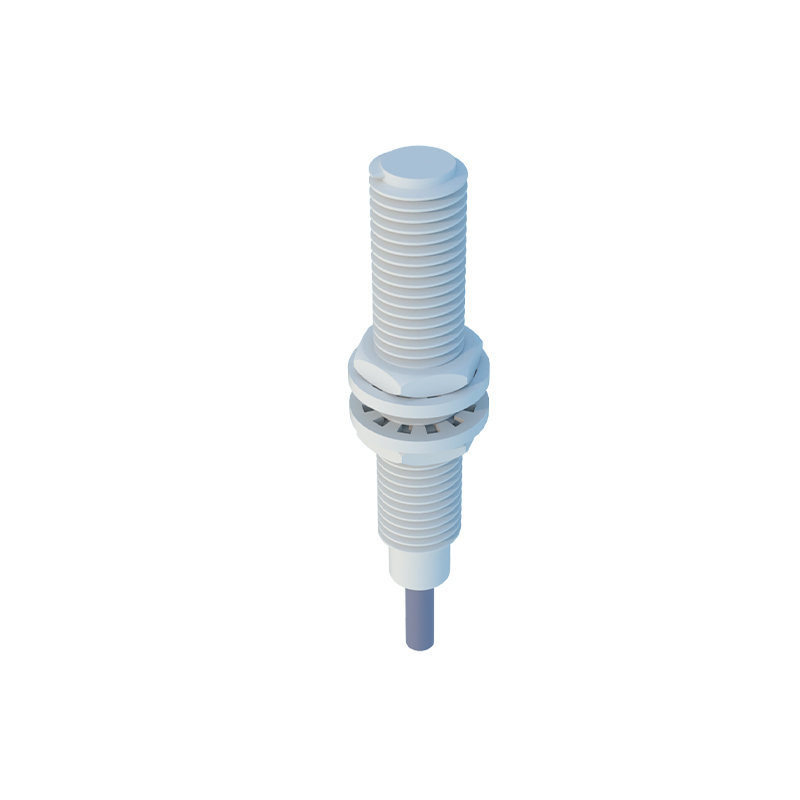
Ultrasonic sensors emit high-frequency sound waves and measure the time for the echo to return, calculating distance. They excel in applications requiring precise distance measurement or detecting objects with varying surface properties, even in challenging conditions like fog or dust. Photoelectric sensors use a light beam (visible, infrared, or laser) and detect interruptions or reflections. They offer the longest sensing ranges and can detect virtually any material, but their performance can be affected by environmental factors like ambient light or dirty lenses.
The applications of proximity position sensors are vast and varied. In automotive assembly lines, inductive sensors verify the presence of engine blocks or position robotic arms. Capacitive sensors monitor fluid levels in tanks within food and beverage processing. Ultrasonic sensors guide automated guided vehicles (AGVs) and control loop height in winding machines. Photoelectric sensors are fundamental in packaging machinery for counting products, detecting labels, or ensuring correct box flap closure. Beyond manufacturing, they are integral to consumer electronics (smartphone screen on/off detection), aerospace, and medical devices.
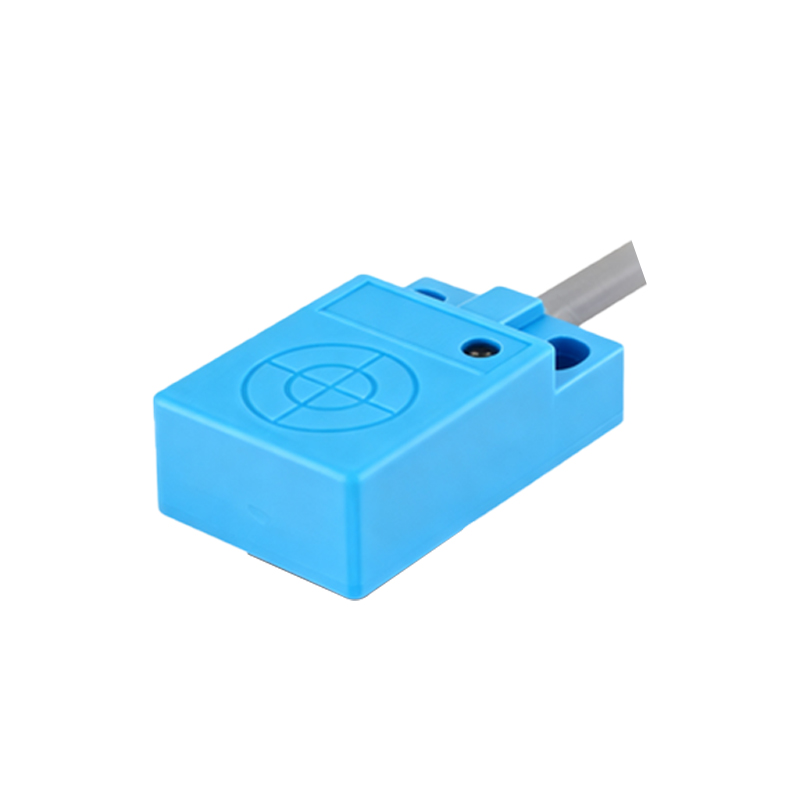
Selecting the right proximity sensor requires careful consideration of several parameters. First, identify the target material, as this dictates the sensor type (inductive for metals, capacitive for broader materials). The required sensing distance is crucial; ensure the sensor's nominal range has a safety margin to account for temperature variations and target inconsistencies. Environmental conditions are paramount: Will the sensor face washdowns (requiring high IP ratings like IP67/IP69K), extreme temperatures, or strong electromagnetic interference? The output type must match the control system: traditional discrete outputs (PNP/NPN) or analog outputs (4-20mA, 0-10V) for continuous distance measurement. Finally, physical factors like size, mounting style (flush, non-flush, threaded barrel), and connection type (pre-wired, quick-disconnect) must align with the mechanical design.
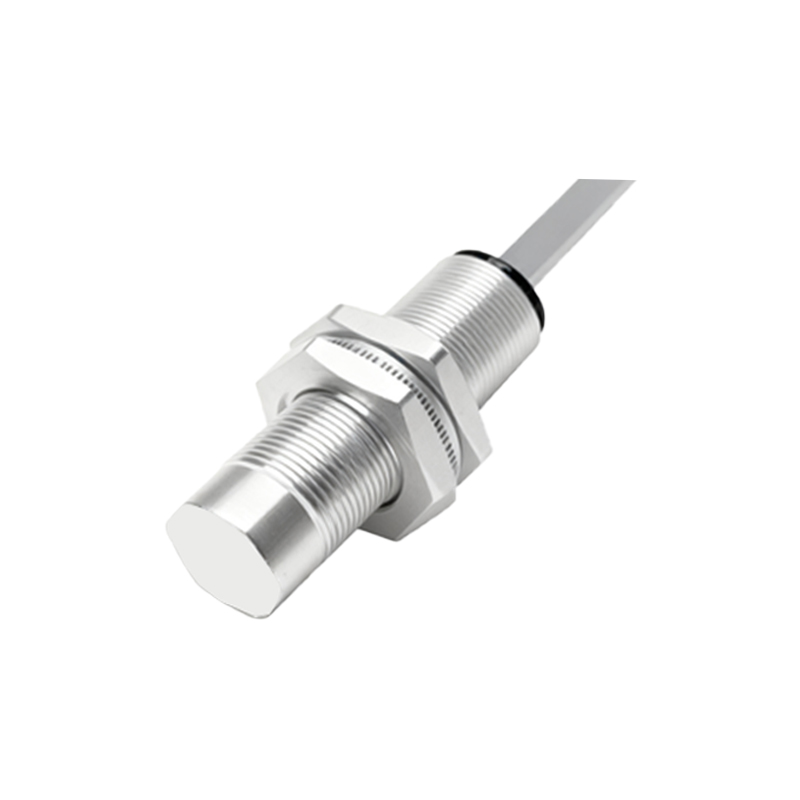
Installation and maintenance are straightforward but critical for optimal performance. Ensure proper alignment between the sensor and target. For inductive sensors, remember that different metals (steel, aluminum, copper) have different correction factors that reduce the effective sensing range. Keep sensing surfaces clean, especially for optical and capacitive types. Always refer to the manufacturer's datasheet for specific electrical connections, temperature ratings, and hysteresis information to avoid false triggering.
In conclusion, proximity position sensors are the silent sentinels of modern automation. Understanding their operating principles, strengths, and limitations is key to implementing reliable and efficient control systems. From simple object detection to complex positioning tasks, the correct sensor choice enhances machine performance, safety, and productivity. As technology advances, we see trends towards miniaturization, increased intelligence with IO-Link communication for diagnostics and parameterization, and enhanced resilience in even more demanding environments, ensuring their role remains central to Industry 4.0 and beyond.