In the world of industrial automation, process control, and safety systems, the reliable detection of objects or positions is paramount. Among the various sensing technologies available, the proximity reed sensor stands out for its simplicity, durability, and effectiveness in specific applications. This article delves into the working principle, common uses, advantages, limitations, and key considerations for selecting and implementing these robust sensors.
At its core, a proximity reed sensor is a type of magnetically actuated switch. It consists of two primary components: a reed switch and a permanent magnet. The reed switch itself is a hermetically sealed glass capsule containing two ferromagnetic reeds (thin, flexible metal blades) that overlap at their ends with a small gap between them. These reed contacts are plated with rhodium or ruthenium for reliable switching. In its normal, non-actuated state, the reeds are separated, and the switch is open. The permanent magnet is housed separately, typically within the sensor's body or in a target object.
The fundamental operating principle is straightforward. When the permanent magnet approaches the reed switch within a certain predefined distance—the sensing range—its magnetic field causes the two ferromagnetic reeds to magnetize. The opposite magnetic poles induced on the reeds attract each other, pulling the contacts together and closing the electrical circuit. When the magnet moves away, the magnetic force diminishes, the reeds' spring force returns them to their original position, and the circuit opens. This "make or break" action provides a clean, bounce-free electrical signal used to indicate the presence or absence of the target.
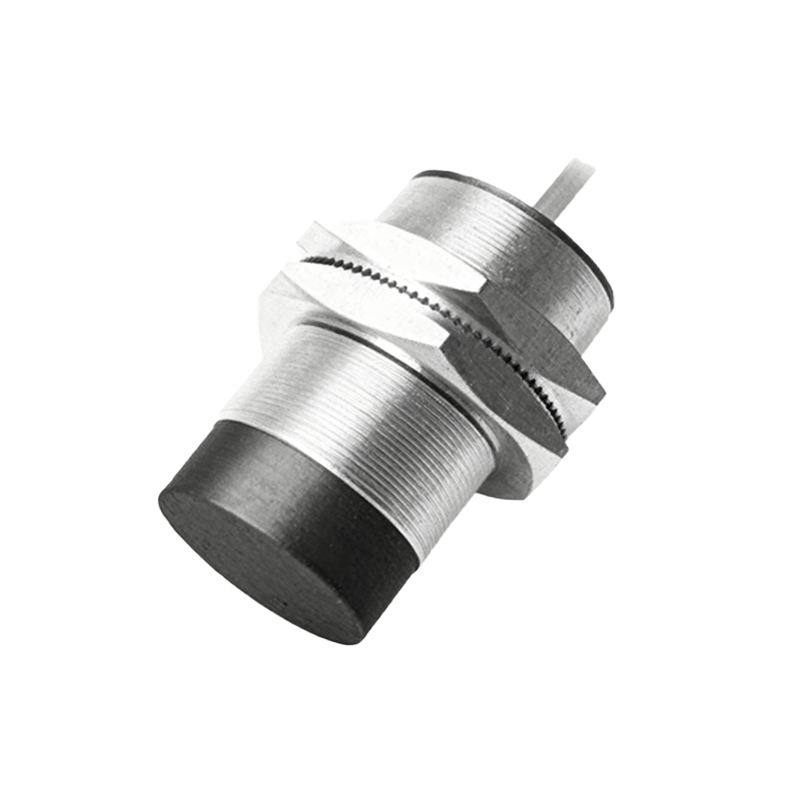
Proximity reed sensors are predominantly used in scenarios requiring non-contact detection of a magnetic field. Common applications include:
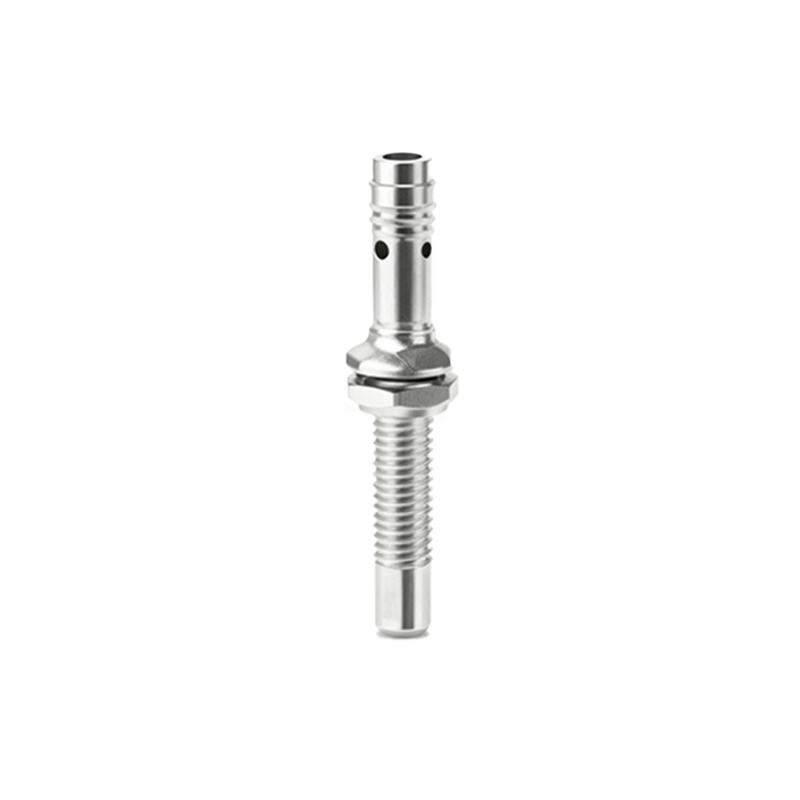
Door and Window Security Systems: Detecting whether a door or window is open or closed. A magnet is mounted on the moving part, and the sensor is fixed on the frame.
Liquid Level Sensing: A float containing a permanent magnet moves with the liquid level, actuating a reed sensor mounted externally on the tank to indicate high or low levels.
Position Sensing in Machinery: Detecting the open/closed position of valves, the end-of-travel of cylinders (when fitted with a magnetic piston), or the presence of a part on a conveyor.
Bicycle Speedometers and Cadence Sensors: A magnet on the wheel or crank arm passes by a reed sensor to count revolutions.
Medical and Laboratory Equipment: Used in devices where reliable, sealed switching is needed in clean or controlled environments.
The popularity of reed-based proximity sensors stems from several inherent advantages. They are completely sealed within a glass envelope, making them impervious to dust, dirt, oxidation, and capable of functioning in explosive atmospheres where sparking contacts would be hazardous. They have no active electronics in the basic form, leading to high reliability, long operational life (often billions of cycles), and the ability to switch very low-power signals (dry circuits) as well as moderate loads. Their operation is not affected by most environmental factors like light, non-ferrous materials, or certain fluids.
However, they are not a universal solution. Key limitations must be considered. Their sensing range is relatively short compared to inductive or capacitive proximity sensors. They only detect permanent magnets, meaning the target must be fitted with one. The switching speed, while fast for many applications, is limited by the mechanical movement of the reeds. Strong external magnetic fields can interfere with their operation. Additionally, mechanical shock and vibration can affect performance, though the sealed design offers good resistance.
When selecting a proximity reed sensor for an application, engineers must evaluate several parameters:
1. Sensing Distance: The critical distance at which the switch reliably actuates. A safety margin (derating) is always recommended.
2. Switch Configuration: Normally Open (NO), Normally Closed (NC), or Changeover (SPDT) forms.
3. Electrical Ratings: Maximum switching voltage and current (both AC and DC), as well as the carry current and power rating.
4. Environmental Factors: Temperature range, IP (Ingress Protection) rating for the housing, and resistance to chemicals or solvents.
5. Housing Material: Typically made of brass, stainless steel, or plastic, chosen based on the installation environment (corrosive, washdown, etc.).
6. Output Type: Basic two-wire AC/DC switch, or three-wire versions with transistor (NPN/PNP) outputs that include amplification and protection circuitry for direct connection to programmable logic controllers (PLCs).
Installation is generally simple but requires attention to detail. The sensor should be mounted securely to minimize vibration. The orientation between the sensor and the magnet is crucial, as the magnetic field has a specific polarity and axis of sensitivity; axial, lateral