In the realm of industrial automation and control systems, the synergy between proximity sensors and microcontrollers like the M32 series is pivotal for enhancing efficiency, safety, and precision. Proximity sensors, which detect the presence or absence of objects without physical contact, are integral to modern manufacturing, robotics, and automotive applications. When paired with the M32 microcontroller—a versatile, high-performance embedded system—these sensors unlock advanced capabilities in data processing, real-time monitoring, and adaptive control. This article explores the technical integration, key considerations, and practical applications of proximity sensors with the M32, offering insights for engineers and developers in the electrical and automation industries.
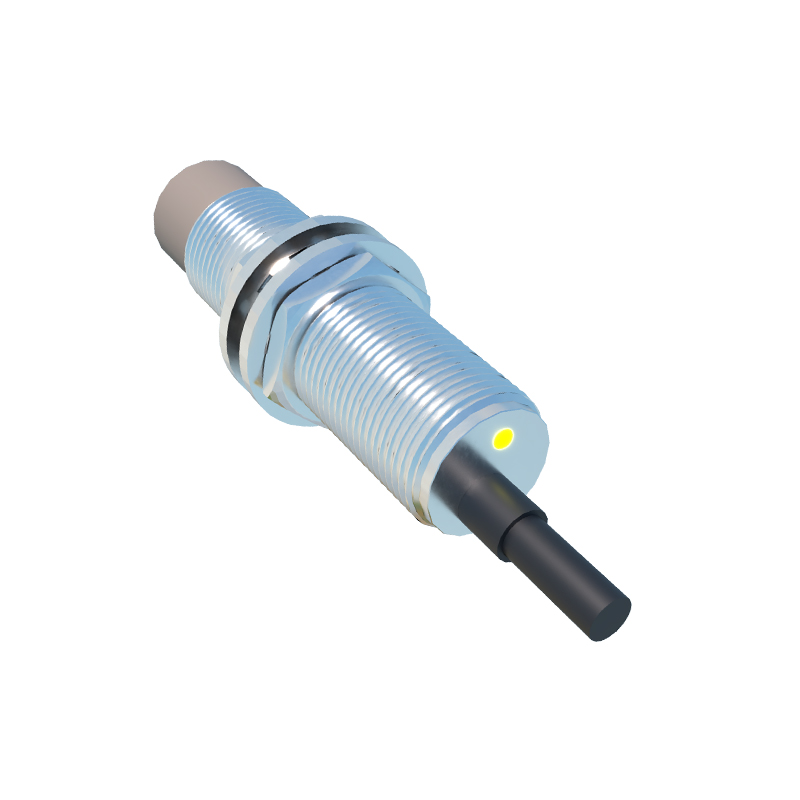
Proximity sensors operate on various principles, including inductive, capacitive, ultrasonic, and optical technologies. Inductive sensors, for instance, are ideal for detecting metallic objects by generating an electromagnetic field, while capacitive sensors can sense both metallic and non-metallic materials based on changes in capacitance. The M32 microcontroller, known for its robust architecture and low-power consumption, serves as the brain of the system, processing sensor inputs and executing control algorithms. Its features, such as multiple GPIO pins, analog-to-digital converters (ADCs), and communication interfaces (e.g., UART, SPI, I2C), make it well-suited for interfacing with a wide range of proximity sensors. For example, connecting an inductive proximity sensor to the M32 typically involves wiring the sensor's output to a digital input pin, with the M32 configured to read the signal and trigger actions like activating a relay or logging data.
The integration process requires careful attention to electrical compatibility and signal conditioning. Proximity sensors often output digital or analog signals that must be matched to the M32's input specifications. For analog sensors, the M32's ADC can convert voltage levels into digital values, enabling precise distance measurement or threshold detection. In digital setups, the microcontroller can poll or use interrupts to respond to sensor state changes swiftly. Programming the M32 involves writing firmware in languages like C or C++, utilizing libraries and development environments such as STM32CubeIDE for efficient code deployment. A common implementation might include calibrating the sensor for specific ranges, implementing debounce algorithms to filter noise, and integrating communication protocols for data transmission to supervisory systems.
Applications of this combination are vast and impactful. In automated assembly lines, proximity sensors paired with the M32 can monitor part positioning, detect jams, and ensure quality control by verifying component presence. In robotics, they enable obstacle avoidance and precise movement control, with the M32 processing sensor data to adjust motor speeds or trajectories. The automotive industry leverages these systems for parking assistance, collision detection, and smart lighting, where the M32's real-time processing ensures rapid response times. Additionally, in safety-critical environments, such as machinery guarding, proximity sensors connected to the M32 can halt operations when human presence is detected, preventing accidents and complying with industrial standards.
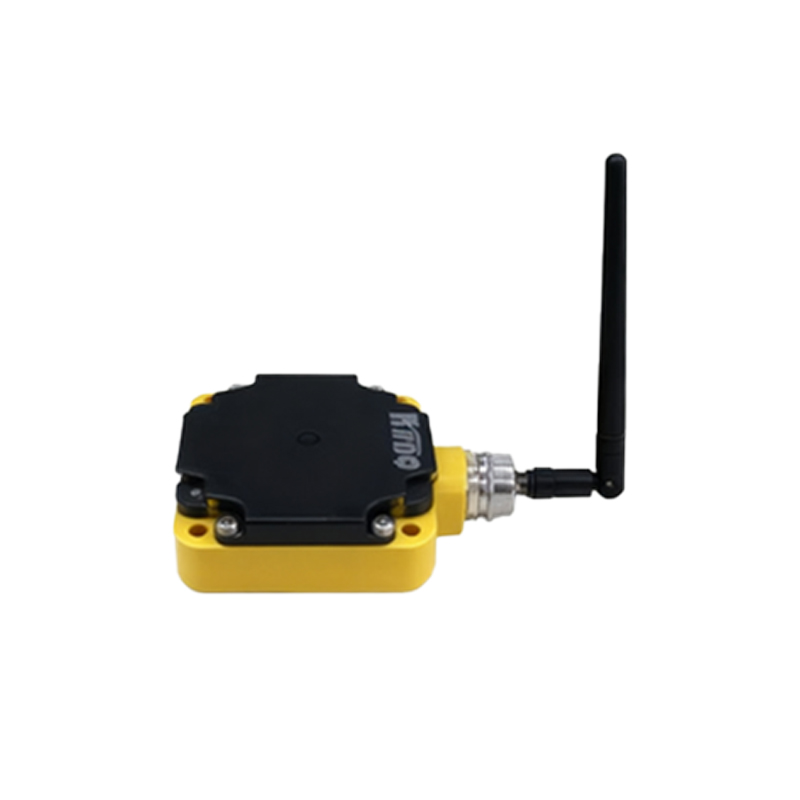
Challenges in deployment include environmental factors like temperature fluctuations, electromagnetic interference, and material variations, which can affect sensor accuracy. Engineers must select sensors with appropriate ratings (e.g., IP67 for dust and water resistance) and implement shielding or filtering techniques. The M32's flexibility allows for adaptive solutions, such as using software-based compensation algorithms or multi-sensor fusion to enhance reliability. Future trends point toward smarter systems with IoT connectivity, where the M32 can transmit sensor data to cloud platforms for analytics and predictive maintenance, further optimizing industrial processes.
In conclusion, the collaboration between proximity sensors and the M32 microcontroller represents a cornerstone of advanced automation. By understanding the technical nuances and leveraging the M32's capabilities, engineers can design robust, scalable systems that drive innovation across sectors. As technology evolves, this integration will continue to expand, offering new opportunities for efficiency and intelligence in electrical engineering projects.