Proximity sensors are indispensable components in modern industrial automation, robotics, and countless electronic systems. Their primary function is to detect the presence or absence of an object within a specified range without any physical contact. This non-contact detection offers significant advantages, including high reliability, long operational life, and the ability to function in harsh environments. For electrical engineers designing control systems, selecting the correct type of proximity sensor is critical for performance, efficiency, and cost-effectiveness. This article provides a detailed overview of the fundamental types of proximity sensors, categorized by their underlying sensing technology.
The most prevalent and widely used type is the Inductive Proximity Sensor. This sensor operates on the principle of electromagnetic induction. It contains a coil wound around a ferrite core, which generates an oscillating electromagnetic field. When a metallic object (typically ferrous metals like steel or iron, though specific models can detect non-ferrous metals) enters this field, eddy currents are induced on the object's surface. This causes a change in the oscillation amplitude within the sensor, which is detected by a circuit that triggers a switching output. Inductive sensors are robust, resistant to environmental factors like dust, oil, and moisture, and are ideal for detecting metal objects in manufacturing, such as in conveyor systems, machine tools, and position verification.
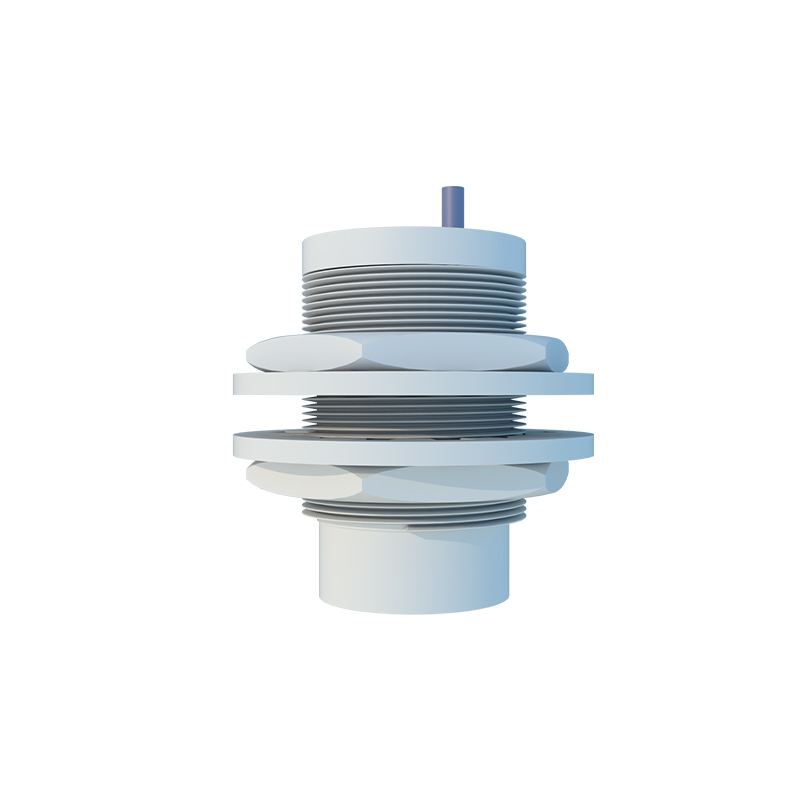
The second major category is the Capacitive Proximity Sensor. These sensors can detect both metallic and non-metallic objects, including liquids, powders, plastics, and wood. They function by generating an electrostatic field. The sensor itself acts as one plate of a capacitor, with the target object acting as the other plate. As an object approaches the sensing face, it alters the capacitance of the system. An internal oscillator circuit monitors this change, and when the capacitance reaches a threshold, it activates the output switch. Capacitive sensors are perfect for applications like level detection in tanks (liquid or granular materials), material handling, and detecting non-metallic containers or products. They can be sensitive to environmental changes like humidity, which must be considered during installation.
Optical Proximity Sensors, often simply called photoelectric sensors, utilize light beams to detect objects. They consist of a light emitter (usually an LED producing visible red, infrared, or laser light) and a receiver. These sensors are further divided into three main operating modes. The through-beam (or opposed) mode has separate emitter and receiver units placed opposite each other; detection occurs when the object breaks the light beam. The retro-reflective mode uses a single unit that emits light and receives its reflection from a dedicated reflector; the object is detected when it interrupts this reflected beam. The diffuse (or proximity) mode relies on the reflection of light directly from the target object itself. Optical sensors offer long sensing ranges and fast response times and are excellent for detecting small objects, transparent materials (with specialized models), and precise positioning.
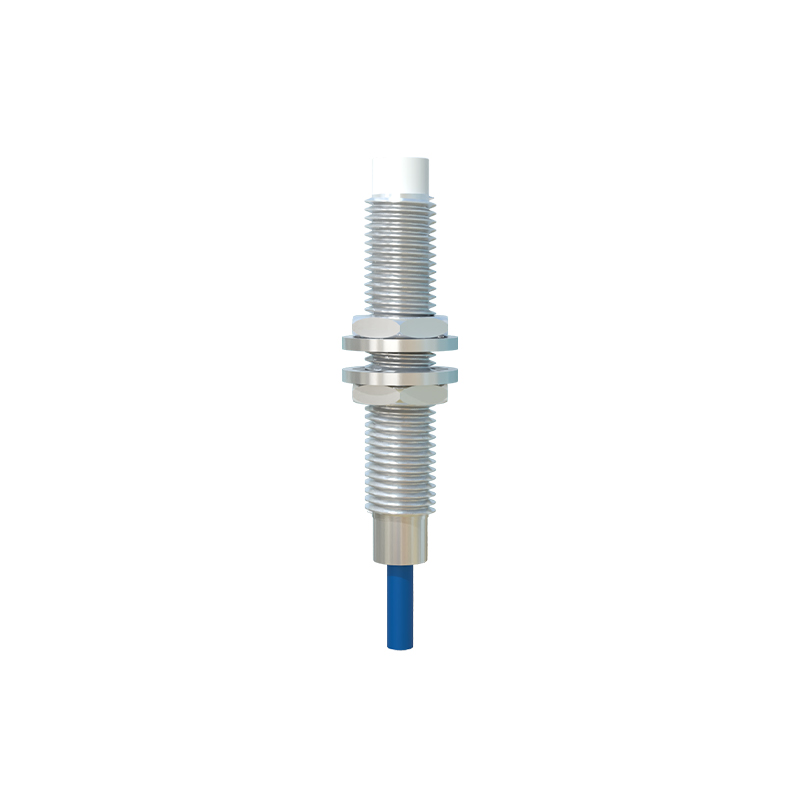
Magnetic Proximity Sensors are designed specifically to detect permanent magnets. They commonly use a reed switch or a Hall-effect semiconductor. A reed switch consists of two ferromagnetic reeds sealed in a glass tube; when a magnet approaches, the reeds attract and close the contact. Hall-effect sensors generate a voltage when exposed to a magnetic field. These sensors are extremely reliable for detecting the position of moving parts, such as in cylinder position sensing in pneumatic systems, door/window sensors, and speed detection. They are immune to non-magnetic contaminants and are often used in clean or sealed environments.
Finally, Ultrasonic Proximity Sensors employ sound waves beyond the human hearing range. They contain a transducer that emits high-frequency ultrasonic pulses and then listens for the echo reflected from a target object. By measuring the time interval between the emitted pulse and the received echo, the sensor can calculate the distance to the object. This principle allows them to detect objects regardless of material, color, or transparency. They are highly effective for distance measurement, level sensing of bulk solids or liquids, and detecting objects in challenging conditions where optical sensors might fail due to dust, fog, or target color.
In conclusion, the choice between inductive, capacitive, optical, magnetic, and ultrasonic proximity sensors hinges on several key factors: the material composition of the target object, the required sensing distance, the environmental conditions (presence of contaminants, temperature, humidity), the required response speed, and installation constraints. A deep understanding of these distinct operating principles enables electrical engineers to specify the optimal sensor, thereby ensuring system robustness, precision, and longevity in any automated application.