In the rapidly evolving landscape of industrial automation, powerless wireless proximity switch sensors represent a groundbreaking innovation, eliminating the need for external power sources while enhancing flexibility and reliability. These sensors operate by harnessing energy from their surrounding environment, such as radio frequency (RF) waves, thermal gradients, or mechanical vibrations, to detect the presence or absence of objects without physical contact. Unlike traditional proximity sensors that require wired connections for both power and data transmission, powerless wireless variants leverage energy harvesting techniques to generate sufficient power for sensing and communication functions. This autonomy not only reduces installation complexity and maintenance costs but also enables deployment in remote or hazardous locations where power infrastructure is impractical.
The core technology behind powerless wireless proximity sensors often involves passive RFID (Radio-Frequency Identification) or backscatter communication principles. In RFID-based systems, an external reader emits RF signals that power the sensor tag; when an object enters the detection range, the tag modulates the reflected signal to convey data about the object's proximity. This method ensures zero power consumption at the sensor node, making it ideal for applications in logistics, smart manufacturing, and inventory management. Additionally, some advanced designs incorporate piezoelectric or thermoelectric materials to convert ambient energy into electrical power, further extending operational lifespans. The absence of batteries or wired power supplies minimizes environmental impact and enhances sustainability, aligning with global trends toward green technology.
From an engineering perspective, the performance of powerless wireless proximity sensors is evaluated based on key parameters such as detection range, response time, and environmental robustness. Typical detection distances range from a few millimeters to several meters, depending on the energy harvesting efficiency and communication protocol used. For instance, high-frequency RFID systems offer precise short-range detection, while ultra-high-frequency variants support longer ranges but may require careful calibration to avoid interference. Response times are generally swift, often within milliseconds, ensuring real-time monitoring in dynamic industrial settings. Moreover, these sensors are designed to withstand harsh conditions, including extreme temperatures, moisture, and electromagnetic interference, thanks to their solid-state construction and lack of vulnerable components like batteries.
Applications of powerless wireless proximity sensors span diverse industries, revolutionizing processes that demand efficiency and safety. In automotive assembly lines, they enable non-contact detection of components on moving conveyors, reducing wear and tear and preventing collisions. In agriculture, they monitor equipment proximity in automated machinery, enhancing operational safety without the hassle of wiring in expansive fields. The healthcare sector benefits from their use in sterile environments, where wireless, battery-free sensors minimize contamination risks while tracking medical instruments. Furthermore, in smart cities, these sensors contribute to infrastructure monitoring, such as detecting vehicle presence in parking systems or managing traffic flow, all while operating maintenance-free for years.
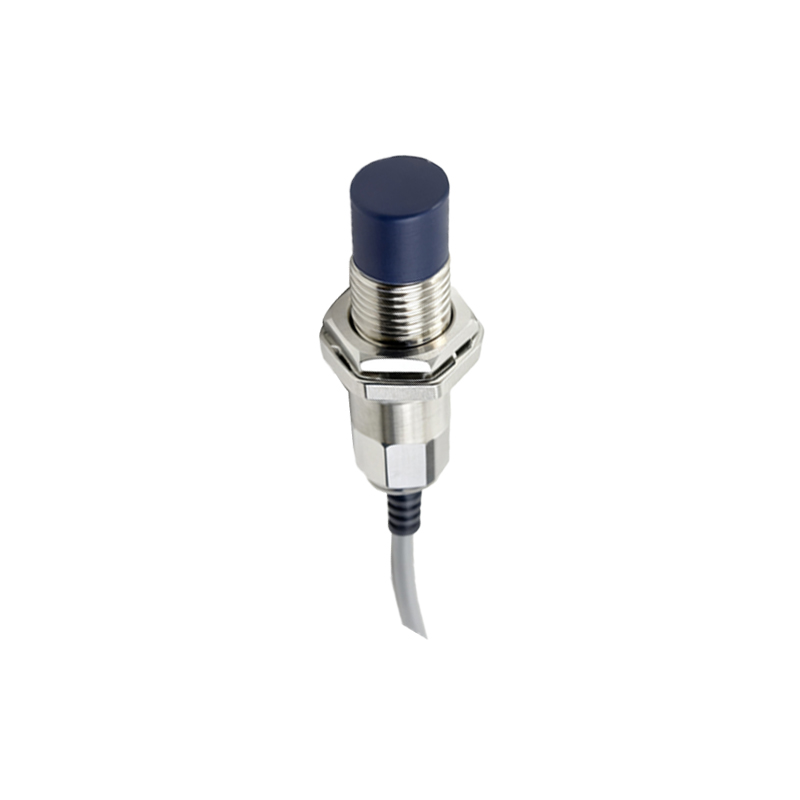
Despite their advantages, challenges remain in optimizing powerless wireless proximity sensors for widespread adoption. Energy harvesting efficiency can be limited in low-ambient-energy environments, potentially affecting reliability. Engineers are actively researching improvements in materials science and signal processing to boost energy conversion rates and extend detection ranges. Standardization of communication protocols is another area of focus, as interoperability between different sensor networks is crucial for seamless integration into existing automation frameworks. As Industry 4.0 and the Internet of Things (IoT) continue to expand, the demand for such innovative sensors is poised to grow, driving further advancements in this field.
In conclusion, powerless wireless proximity switch sensors embody a significant leap forward in sensor technology, offering a blend of autonomy, durability, and versatility. By eliminating power dependencies, they pave the way for smarter, more sustainable automation solutions. For engineers and industry professionals, understanding their principles and applications is essential to leveraging their full potential in modern systems, ultimately contributing to enhanced productivity and reduced operational footprints. As research progresses, these sensors are expected to become even more integral to the future of automated industries worldwide.