In the realm of industrial automation and electrical control systems, proximity switch sensors are indispensable components for non-contact detection. Among the reputable manufacturers, OTE (often a placeholder for a generic or specific brand in examples; for this article, we treat OTE as a representative brand) produces a wide array of proximity switch sensor models designed for diverse applications. This guide delves into the technical specifications, model classifications, selection criteria, and typical applications of OTE proximity switch sensors, providing electrical engineers with the essential knowledge for effective integration.
Proximity sensors operate on the principle of electromagnetic induction, capacitive effect, or magnetic field disturbance to detect the presence or absence of a target object without physical contact. OTE's product line typically encompasses three primary types: Inductive, Capacitive, and Magnetic (Reed) proximity sensors. Each type is engineered for specific materials and environmental conditions.
Inductive Proximity Sensors: These are the most common in industrial settings, used to detect metallic objects, primarily ferrous metals like steel and iron. OTE inductive models, such as the hypothetical series OTE-IS18-08N, are characterized by their sensing distance, which is usually a fraction of the sensor's diameter. For instance, an 18mm diameter sensor might have an 8mm nominal sensing range. Key specifications include:
Output Configuration: NPN (sinking) or PNP (sourcing), normally open (NO) or normally closed (NC).
Supply Voltage: Commonly 10-30V DC or a wider range like 20-250V AC/DC for some models.
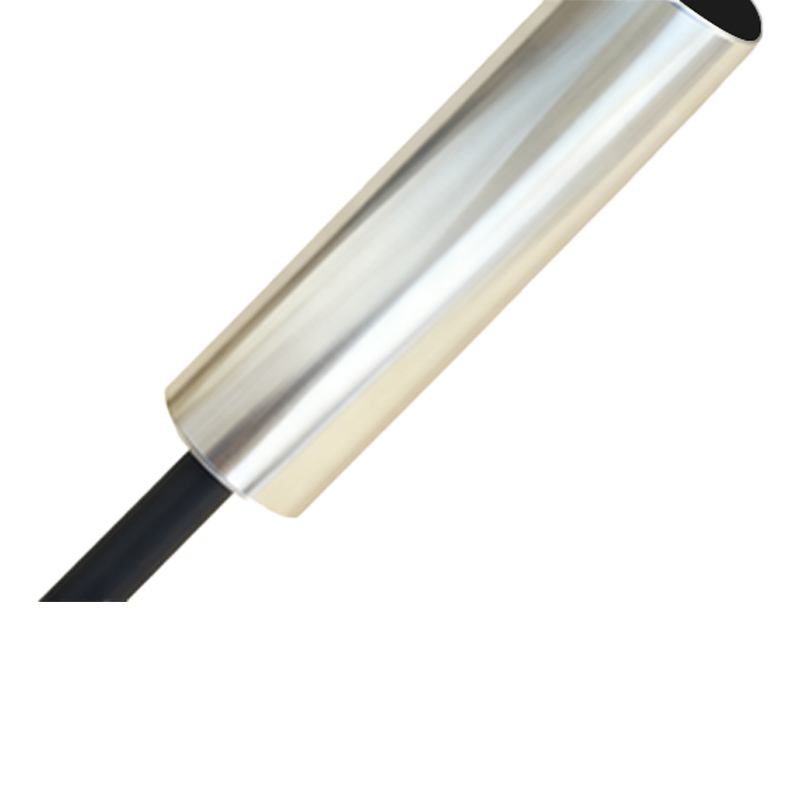
Housing Material: Typically nickel-plated brass, stainless steel, or PBT plastic for corrosion resistance.
Protection Rating: IP67 or IP68 is standard, making them suitable for harsh, wash-down environments.
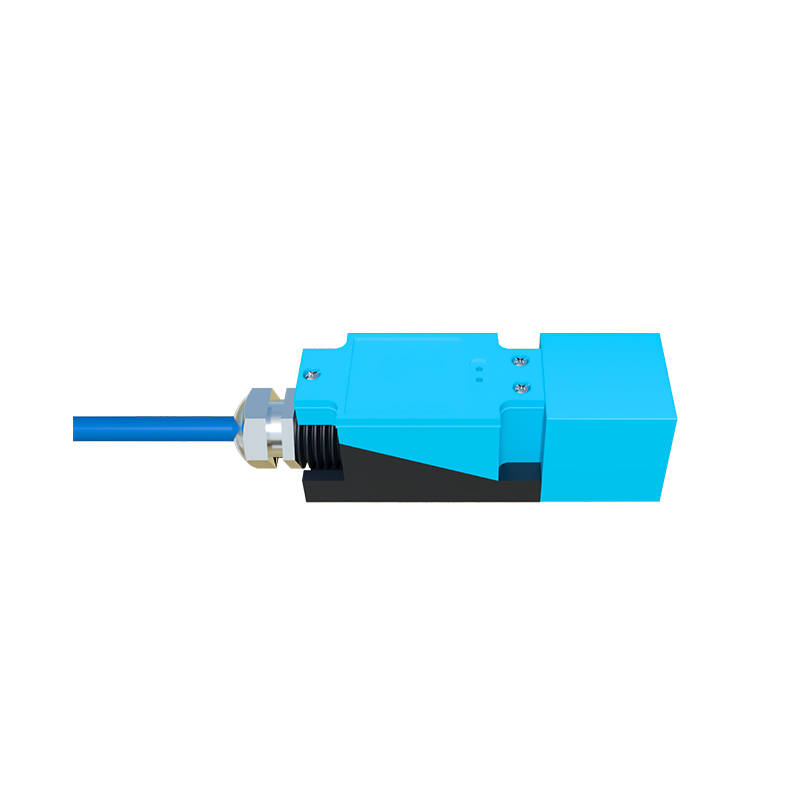
Connection Style: Pre-wired cable, quick-disconnect (M12 or M8 connectors), or terminal box.
Capacitive Proximity Sensors: OTE capacitive models, such as a hypothetical OTE-CS30-15K, can detect both metallic and non-metallic materials (liquids, plastics, wood, granules). They function by measuring changes in capacitance. These are ideal for level detection in tanks or material handling. Specifications often highlight:
Sensing Range: Adjustable via a potentiometer to fine-tune sensitivity for different materials.
Dielectric Constant: The target material's property significantly affects performance.
Applications: Liquid level control, paper or plastic film detection, and granular material sensing.
Magnetic Proximity Sensors (Reed Switches): These OTE models are designed to detect permanent magnets. They are often used in cylinder position sensing or safety door monitoring. A model like OTE-MS-05 would be compact and offer high reliability in clean environments.
Decoding OTE Model Numbers: Understanding the model nomenclature is crucial for selection. While specific coding varies, a typical OTE model number conveys critical information. For example, in OTE-IS18-08NPN-IP67:
OTE: Brand identifier.
IS: Inductive Sensor.
18: Housing diameter (18mm).
08: Sensing distance (8mm).
NPN: Output transistor type.
IP67: Ingress Protection rating.
Selection Criteria: Choosing the correct OTE proximity sensor requires a systematic approach:
1. Target Material: Metal (use Inductive), any material/liquid (use Capacitive), magnet (use Magnetic).
2. Sensing Distance: Choose a model with a nominal range 10-20% greater than the required application distance to account for tolerances and installation variances.
3. Environment: Consider temperature extremes, presence of chemicals, wash-down requirements (IP rating), and potential for electrical noise.
4. Electrical Requirements: Match the supply voltage (DC/AC) and output type (NPN/PNP) with the PLC or control system input card. NPN is common in Asia and Europe for sinking inputs, while PNP is often used in the Americas.
5. Physical Size and Mounting: Flush-mounted or non-flush-mounted styles affect the effective sensing distance. Ensure the housing size and threading (e.g., M18x1) fit the installation.
Application Examples:
Machine Tooling: An OTE inductive sensor (OTE-IS30-15N) monitors the position of a metal cutting tool, providing feedback to the CNC controller.
Packaging Line: A capacitive OTE sensor (OTE-CS18-05K) detects the presence of plastic bottles on a conveyor,