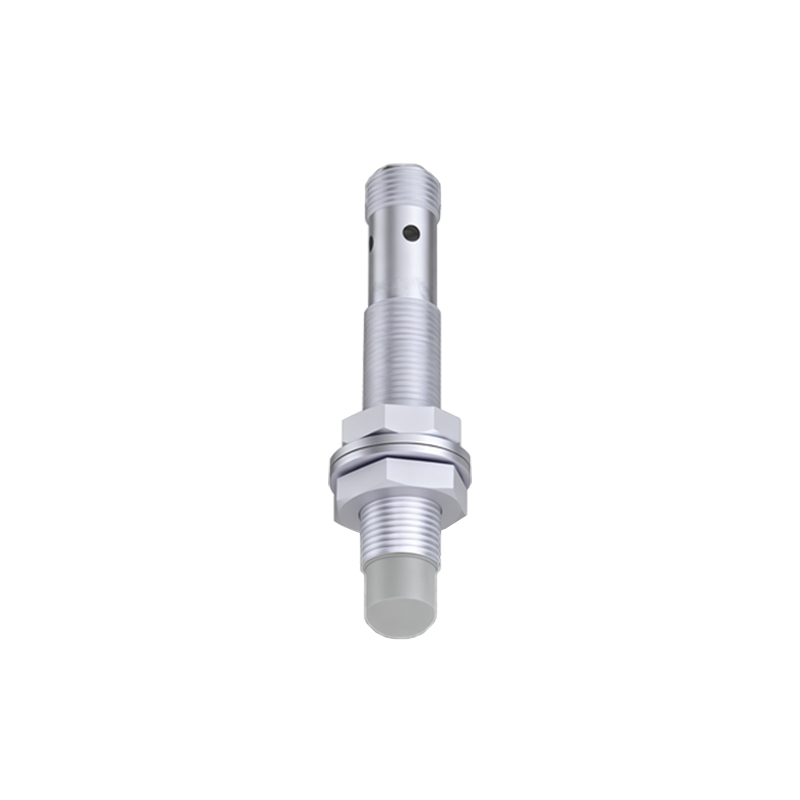
In the dynamic landscape of industrial automation, the demand for reliable, precise, and adaptable sensing solutions continues to grow. Among the most critical components in this domain are adjustable long-range proximity sensors. These advanced devices are engineered to detect the presence or absence of objects at significant distances without physical contact, offering unparalleled flexibility in diverse applications. Unlike standard proximity sensors with fixed ranges, adjustable variants allow engineers to fine-tune detection parameters, optimizing performance for specific operational environments. This capability is particularly valuable in complex settings such as material handling systems, automotive assembly lines, and packaging machinery, where sensor accuracy directly impacts efficiency and safety.
The core technology behind these sensors often involves inductive, capacitive, or ultrasonic principles. Inductive sensors, for instance, are ideal for detecting metallic objects, leveraging electromagnetic fields to sense targets from several millimeters to over 50 millimeters away. Adjustable models incorporate potentiometers or digital interfaces, enabling users to modify sensitivity and sensing range on-site. This adjustability mitigates issues like false triggers caused by environmental interference or varying target materials. For non-metallic objects, capacitive sensors provide an effective solution, with adjustable settings to compensate for changes in humidity or material composition. Ultrasonic sensors, capable of ranges extending to several meters, use sound waves to detect objects, with adjustability allowing for precise distance threshold configuration in applications like level monitoring or obstacle detection.
Key benefits of adjustable long-range proximity sensors include enhanced operational reliability and reduced maintenance costs. By allowing real-time calibration, these sensors adapt to wear and tear, temperature fluctuations, or shifts in production lines, minimizing downtime. In automotive manufacturing, for example, sensors with adjustable ranges ensure consistent detection of vehicle components on fast-moving conveyors, even as alignment may vary. Similarly, in logistics and warehousing, they enable accurate pallet positioning and inventory management, supporting seamless automation. The integration of smart features, such as IO-Link communication, further expands functionality by enabling remote adjustment and diagnostics, aligning with Industry 4.0 initiatives for connected, data-driven operations.
When selecting an adjustable long-range proximity sensor, engineers must consider factors like sensing distance, response time, environmental robustness (e.g., IP ratings for dust and moisture resistance), and output type (e.g., PNP/NPN). Proper installation and calibration are crucial; misalignment or incorrect settings can lead to performance degradation. Best practices involve testing sensors under actual operating conditions and utilizing manufacturer guidelines to optimize range adjustments. As industries evolve toward greater automation and precision, these sensors will continue to play a pivotal role, driven by innovations in miniaturization, energy efficiency, and wireless connectivity. Ultimately, adjustable long-range proximity sensors represent a fusion of versatility and technological advancement, empowering industries to achieve higher levels of productivity and safety in an increasingly automated world.