In the realm of industrial automation, proximity switches play a pivotal role in enabling non-contact detection, ensuring efficiency, reliability, and safety. Among these, the 5mm proximity sensor stands out as a compact yet highly precise component, widely utilized across various applications from manufacturing lines to robotic systems. This article delves into the technical specifications, operational principles, and practical implementations of the 5mm proximity switch sensor, offering insights for engineers and industry professionals.
Proximity switches, by design, detect the presence or absence of an object without physical contact. The 5mm variant refers to the sensing distance—typically up to 5 millimeters—making it ideal for tight spaces and high-precision tasks. These sensors commonly employ inductive, capacitive, or magnetic sensing technologies. Inductive sensors, for instance, are suited for metallic objects, generating an electromagnetic field that triggers a signal when disrupted by a target. Capacitive sensors, on the other hand, can detect both metallic and non-metallic materials by measuring changes in capacitance. The 5mm range ensures minimal interference and accurate detection, reducing false triggers in noisy industrial environments.
Key technical features of a 5mm proximity sensor include its response time, output type, and environmental durability. Most models offer fast response times, often under 1 millisecond, allowing for real-time control in high-speed operations. Outputs may be analog (e.g., 4-20mA or 0-10V) or digital (e.g., PNP or NPN transistor-based), providing flexibility for integration with PLCs (Programmable Logic Controllers) and other control systems. Additionally, these sensors are built to withstand harsh conditions, with IP67 or higher ratings for dust and water resistance, ensuring longevity in demanding settings like automotive assembly or food processing plants.
In practice, the 5mm proximity switch sensor finds applications in numerous industries. For example, in packaging machinery, it can detect the position of items on a conveyor belt, triggering actuators for sorting or sealing. In robotics, it aids in end-effector positioning, preventing collisions and enhancing precision. The compact size allows for installation in confined areas, such as inside tooling equipment or alongside moving parts, without compromising performance. Engineers often select these sensors for tasks requiring repeatability and minimal maintenance, as their non-contact nature reduces wear and tear compared to mechanical switches.
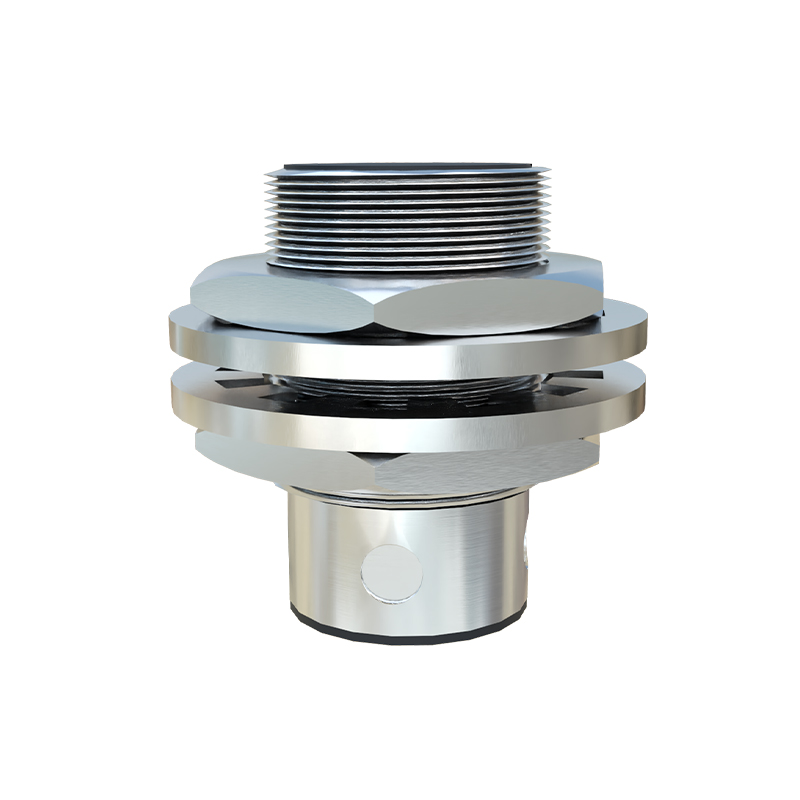
When integrating a 5mm proximity sensor, considerations include target material, mounting orientation, and electrical compatibility. For inductive sensors, ferrous metals like steel yield the best detection, while non-ferrous metals may require calibration. Proper alignment is crucial to avoid dead zones, and shielding can mitigate electromagnetic interference from nearby motors or cables. Regular testing with a multimeter or oscilloscope helps verify signal integrity, ensuring optimal operation over time.
Advancements in sensor technology continue to enhance the 5mm proximity switch. Modern versions incorporate smart features like IO-Link communication, enabling diagnostics and parameter adjustments remotely. This connectivity supports Industry 4.0 initiatives, facilitating predictive maintenance and data-driven optimization. As industries evolve toward greater automation, the demand for reliable, precise sensors like the 5mm proximity switch is set to grow, driving innovation in miniaturization and energy efficiency.
In summary, the 5mm proximity sensor is a cornerstone of industrial automation, offering precise non-contact detection in a compact form. By understanding its capabilities and applications, engineers can leverage this tool to improve system performance, reduce downtime, and achieve higher productivity. Whether in simple presence detection or complex robotic control, this sensor proves indispensable for modern manufacturing and beyond.