The 3D laser sensor head represents a pivotal advancement in the field of industrial metrology and automation. This sophisticated device operates on the principle of laser triangulation or, in more advanced systems, time-of-flight (ToF) or structured light. At its core, it projects a laser line or pattern onto a target object. A high-resolution camera, positioned at a known angle to the laser source, captures the deformation of this line. By analyzing the distortion of the laser line in the camera's field of view, the sensor's onboard processor calculates precise distance measurements for thousands of points per second, constructing a detailed three-dimensional point cloud of the object's surface.
This non-contact measurement capability is its greatest strength. Unlike tactile probes that can deform soft materials or require physical contact, the 3D laser sensor head can scan delicate, hot, moving, or otherwise inaccessible surfaces without causing damage or wear. The data acquisition speed is exceptionally high, enabling real-time or near-real-time inspection even on fast-moving production lines. This makes it indispensable for 100% inline quality control, where every manufactured part can be verified against its digital twin for dimensional accuracy.
The applications of 3D laser sensor heads are vast and continuously expanding. In automotive manufacturing, they are used for gap and flush measurement on car body assemblies, ensuring panel alignment meets stringent aesthetic and aerodynamic standards. They perform complete weld seam inspection, verifying bead geometry, volume, and detecting defects like undercut or porosity. In the electronics industry, these sensors measure the coplanarity of ball grid arrays (BGAs) on circuit boards and inspect the precise height of components after placement by pick-and-place machines.
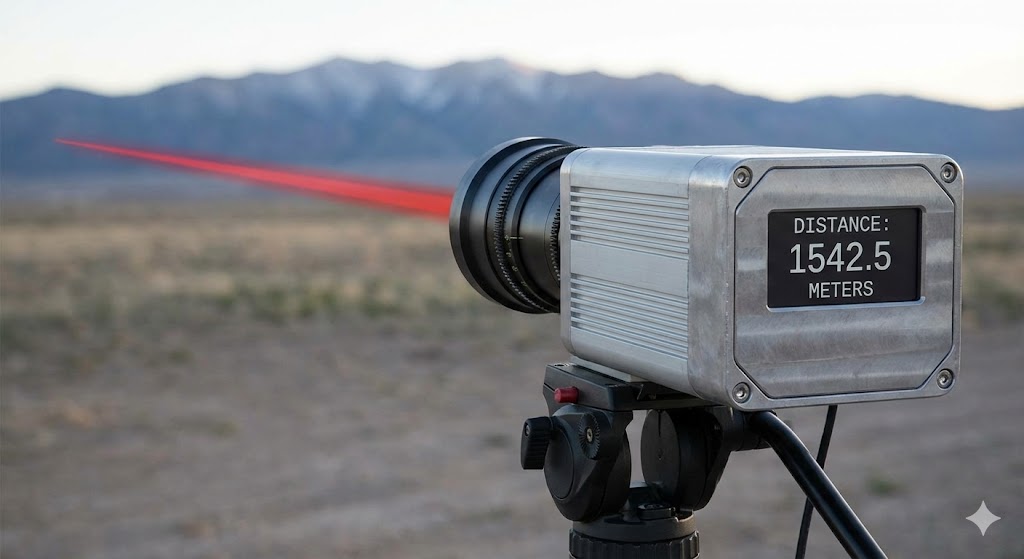
Beyond traditional manufacturing, 3D laser scanning is revolutionizing sectors like logistics and warehousing. Sensor heads mounted on robotic arms or gantry systems can rapidly scan pallets of mixed-size boxes, generating a volumetric model used for optimal packing or automated truck loading. In reverse logistics, they assess the condition of returned goods. The technology is also critical in robotics, providing the "eyes" for bin-picking robots. By creating a 3D map of a container filled with randomly oriented parts, the robot's system can identify, locate, and successfully grasp individual items—a task impossible with traditional 2D vision.
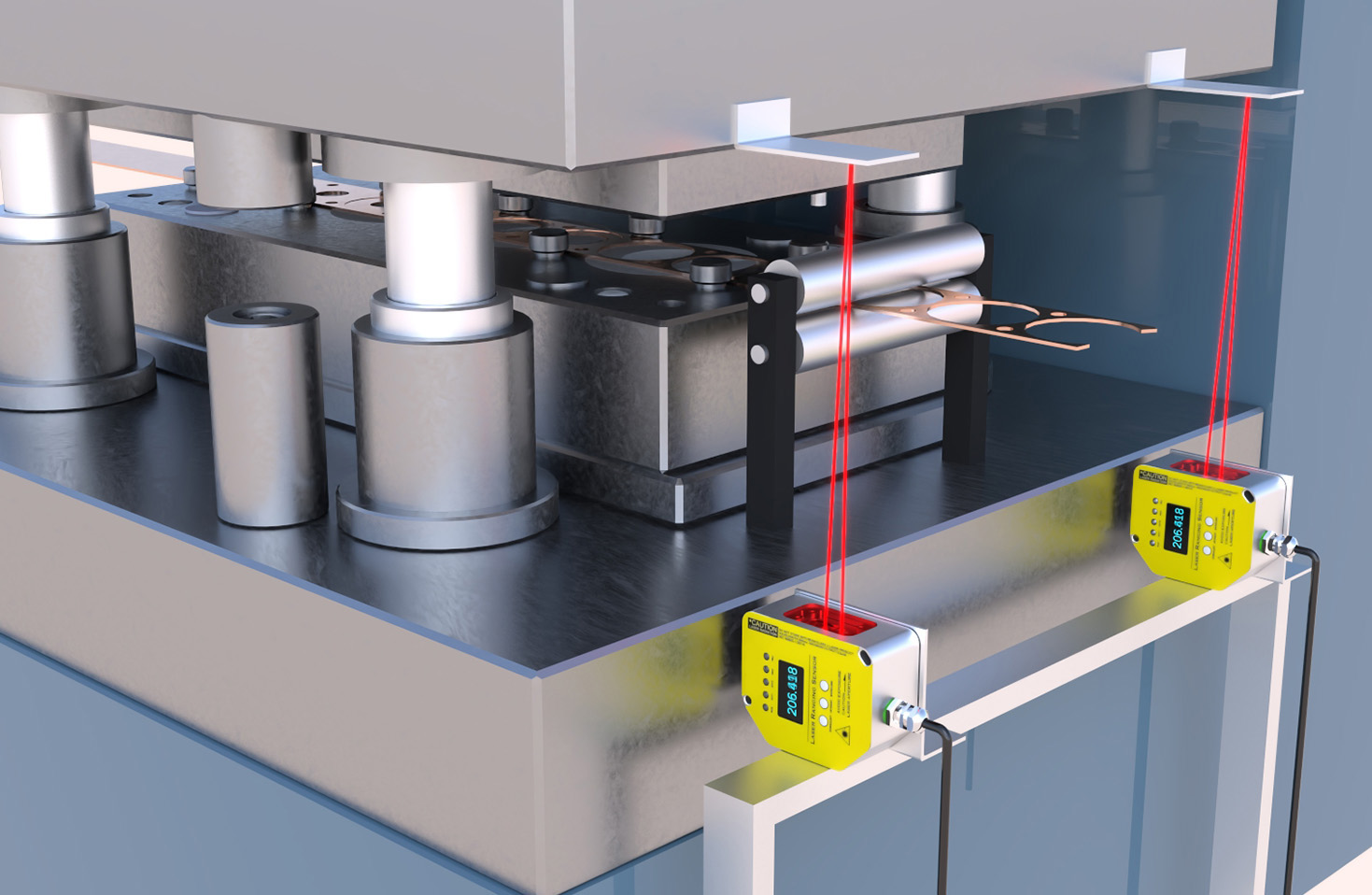
The evolution of the hardware is matched by advancements in software. Modern sensor systems are bundled with powerful application software that handles point cloud processing, alignment to CAD models, and complex geometric dimensioning and tolerancing (GD&T) analysis. Users can program inspection routines to automatically check for specific features, such as the diameter of a hole, the flatness of a surface, or the presence of a specific contour. The software can generate comprehensive pass/fail reports and statistical process control (SPC) charts, providing invaluable data for continuous production improvement.
When integrating a 3D laser sensor head into a system, several factors must be considered. The working distance, field of view, and resolution must be matched to the part size and required measurement precision. Environmental factors like ambient light, vibrations, and reflective or dark surfaces can affect performance, though many modern sensors incorporate filters and advanced algorithms to mitigate these issues. The choice between a compact, integrated sensor head and a system with separate laser and camera components depends on the installation constraints and application flexibility needed.
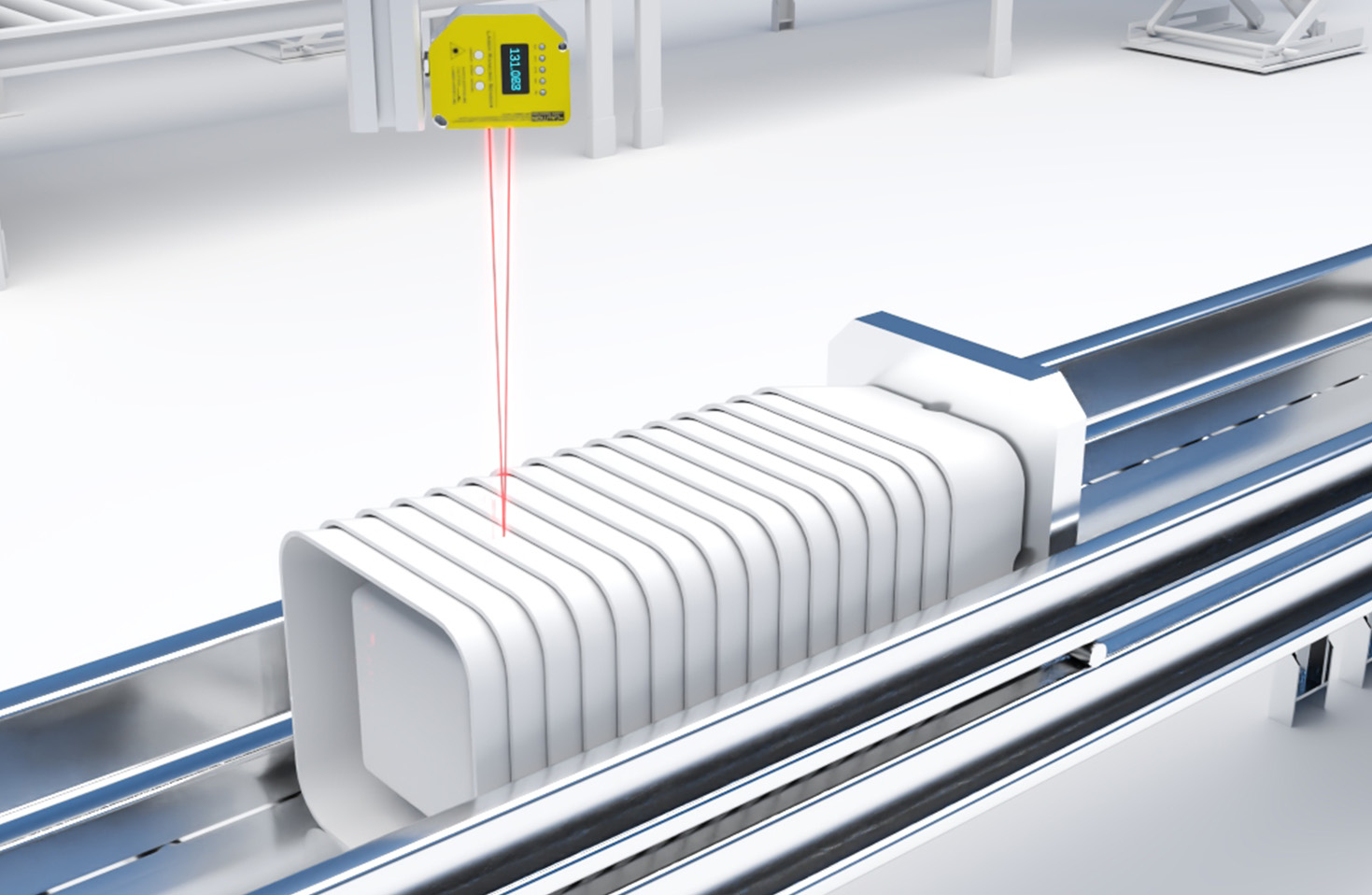
Looking forward, the trend is towards smarter, more compact, and more robust sensor heads. Integration with artificial intelligence and machine learning is beginning to enable not just measurement, but also qualitative classification of defects and surface finishes. Wireless connectivity and edge computing capabilities are simplifying system integration and data handling. As costs continue to decrease and performance increases, the adoption of 3D laser sensor technology will permeate even more industries, from agriculture for crop monitoring to healthcare for custom orthotics and prosthetics manufacturing. It stands as a fundamental tool for building the data-rich, automated, and precise industrial environments of the future.