In the coal mining industry, monitoring airborne dust is not just a regulatory requirement—it’s a critical component of worker safety and operational efficiency. Prolonged exposure to coal dust can lead to severe health issues, including pneumoconiosis (black lung disease), while excessive dust concentrations pose explosion risks. Traditional dust monitoring methods often fall short in providing real-time, accurate data. This is where laser dust sensors come into play, offering high precision, reliability, and continuous monitoring capabilities. Here, we explore some of the top recommended laser dust sensors tailored for the harsh conditions of coal mining environments.
Laser dust sensors operate on the principle of light scattering. A laser diode emits a focused beam of light into a detection chamber where dust particles pass through. When particles intersect the laser beam, they scatter light in various directions. A photodetector, positioned at a specific angle (typically 90 degrees), measures the intensity of this scattered light. The signal is then processed to calculate particle concentration, often providing data on mass concentration (e.g., mg/m³) and particle size distribution. This method is highly sensitive and can detect fine particulate matter (PM2.5 and PM10), which is especially relevant in coal mines where respirable dust is a major concern.
When selecting a laser dust sensor for coal mining, several factors must be considered to ensure optimal performance and durability. The sensor must be robust enough to withstand high levels of vibration, mechanical shock, and extreme temperatures commonly found in underground mines. It should have a high ingress protection (IP) rating, such as IP65 or higher, to resist dust and water intrusion. Additionally, anti-explosion certifications (like ATEX or IECEx) are crucial for use in potentially explosive atmospheres. Calibration stability, low maintenance requirements, and compatibility with existing mine monitoring systems are also key considerations. Real-time data output and remote monitoring capabilities can significantly enhance safety protocols by enabling immediate response to dangerous dust level spikes.
Based on industry feedback and technical specifications, several laser dust sensor models stand out for coal mining applications. The Sensirion SPS30 is widely recognized for its high accuracy in measuring PM1.0, PM2.5, PM4, and PM10. It features a patented contamination-resistance technology, which reduces maintenance needs—a vital attribute in dusty environments. While not inherently explosion-proof, it can be integrated into certified enclosures for mine use. Another excellent choice is the Plantower PMS5003, known for its cost-effectiveness and reliable performance. It provides digital output and can detect particles as small as 0.3 microns. For more demanding, explosion-hazardous zones, the Trolex XD-1 is specifically designed for mining. It carries ATEX certification, offers robust construction, and delivers real-time dust concentration readings integrated with mine-wide monitoring networks. The TSI DustTrak DRX is also noteworthy; it’s a professional-grade monitor that uses laser photometry to provide both mass and size fraction data, ideal for health and safety compliance reporting.
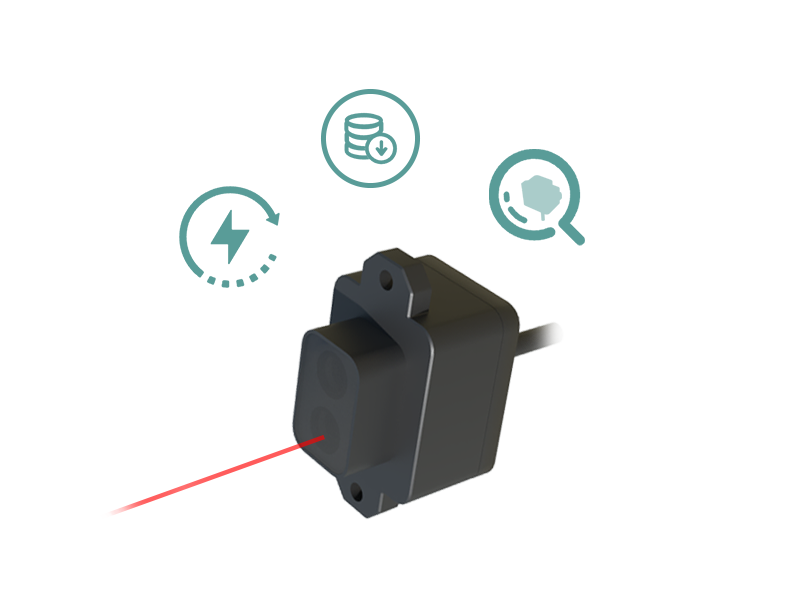
Implementing these sensors effectively requires strategic placement and regular maintenance. Sensors should be installed in key areas such as longwall faces, conveyor transfer points, crusher stations, and near ventilation shafts—locations where dust generation is highest. It’s advisable to avoid placing sensors in dead-air zones or directly in high-velocity air streams, as these can affect accuracy. Regular calibration against reference instruments is essential to maintain data integrity. Many modern sensors offer self-diagnostic features and alert functions for abnormal conditions, reducing downtime. Integrating sensor data with centralized control rooms allows for automated responses, such as triggering water spray systems or increasing ventilation when dust thresholds are exceeded.

The adoption of advanced laser dust sensors in coal mines aligns with broader trends toward digitalization and smart mining. These sensors are integral components of IoT-enabled safety systems, contributing to predictive analytics for dust management. By providing precise, real-time insights, they help mines not only comply with stringent regulations like those from MSHA (Mine Safety and Health Administration) but also proactively protect workers’ health and enhance overall productivity. Investing in reliable laser dust monitoring technology is a forward-thinking step toward sustainable and responsible mining operations.
In conclusion, selecting the right laser dust sensor for a coal mining operation involves balancing accuracy, durability, safety certifications, and integration capabilities. Models like the Sensirion SPS30, Plantower PMS5003, Trolex XD-1, and TSI DustTrak DRX offer varied strengths suitable for different mining scenarios. Prioritizing robust, real-time dust monitoring is an investment in safety and efficiency, ultimately fostering a healthier work environment and reducing operational risks.