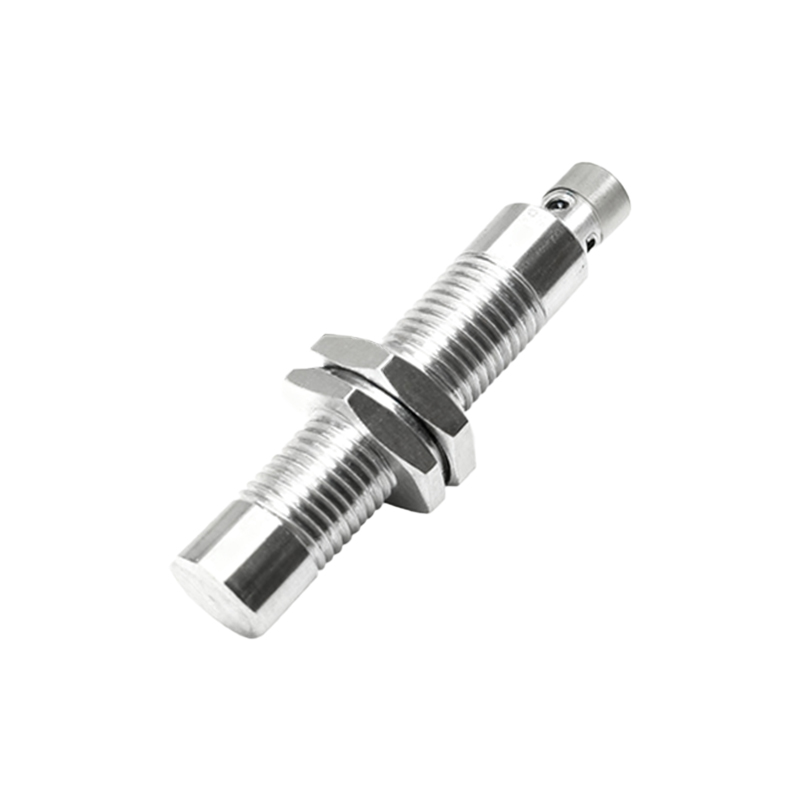
In the dynamic world of textile manufacturing, the integration of advanced automation technologies has revolutionized production processes, with proximity switch sensors emerging as a critical component in modern textile machinery. These sensors, often based on inductive, capacitive, or magnetic principles, play a pivotal role in ensuring operational accuracy, safety, and efficiency. As an electrical engineer with extensive experience in the textile industry, I will delve into the applications, benefits, and selection criteria for proximity sensors in this sector, highlighting their impact on contemporary textile operations.
Proximity sensors are non-contact devices designed to detect the presence or absence of objects without physical interaction. In textile machinery, such as looms, spinning frames, and knitting machines, they are commonly used for position sensing, speed monitoring, and material handling. For instance, inductive proximity sensors are ideal for detecting metallic components like needles or bobbins, while capacitive sensors can identify non-metallic materials such as yarn or fabric rolls. This versatility allows for seamless integration into various stages of textile production, from fiber preparation to finishing.
The primary advantage of using proximity switches in textile equipment lies in their reliability and durability. Unlike mechanical switches, which are prone to wear and tear due to constant contact, proximity sensors offer a maintenance-free solution with a longer operational lifespan. This reduces downtime and maintenance costs, contributing to higher productivity. Additionally, their fast response time—often in milliseconds—ensures precise control over machine movements, minimizing errors in fabric alignment or tension. In high-speed weaving or knitting applications, this precision is crucial for maintaining consistent fabric quality and reducing waste.
Safety is another significant aspect where proximity sensors excel. By monitoring machine parts and detecting anomalies, such as misaligned components or foreign objects, they can trigger emergency stops or alerts, preventing accidents and equipment damage. This is particularly important in environments with high-speed rotating parts, where human intervention is limited. Moreover, modern proximity sensors are designed to withstand harsh industrial conditions, including dust, humidity, and temperature fluctuations commonly found in textile mills. Their robust construction, often with IP67 or higher ratings, ensures reliable performance even in challenging settings.
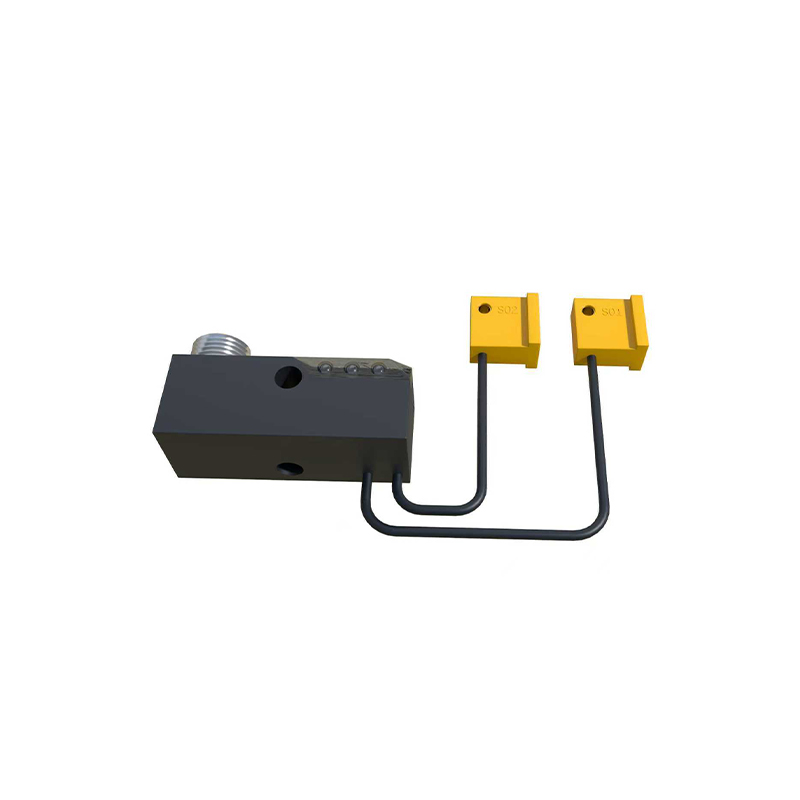
When selecting proximity sensors for textile machinery, engineers must consider several factors to optimize performance. The sensing range, output type (e.g., NPN or PNP), and environmental compatibility are key parameters. For example, in applications involving delicate fabrics, sensors with adjustable sensitivity can prevent false triggers caused by static electricity or minor vibrations. It is also essential to choose sensors that comply with industry standards, such as IEC 60947-5-2, to guarantee safety and interoperability. Regular calibration and testing are recommended to maintain accuracy over time, as sensor drift can occur due to environmental changes or aging components.
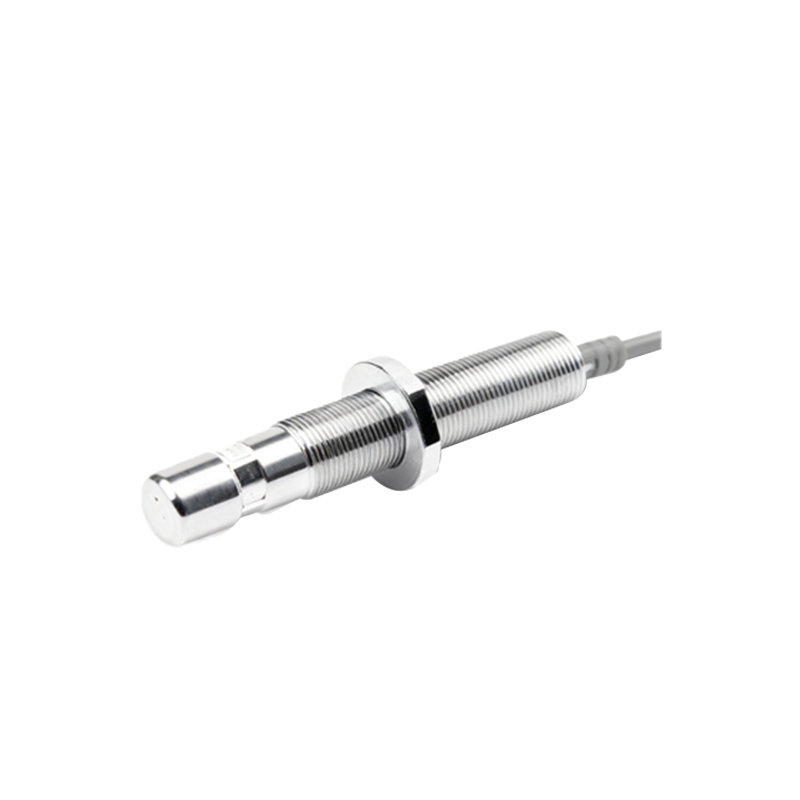
Looking ahead, the evolution of proximity sensor technology is set to further enhance textile automation. Innovations like smart sensors with integrated IoT capabilities enable real-time data collection and predictive maintenance, allowing operators to monitor machine health remotely. This aligns with the growing trend of Industry 4.0 in textiles, where data-driven insights lead to optimized production schedules and reduced energy consumption. As textile manufacturers strive for greater efficiency and sustainability, the role of proximity sensors will only become more integral, driving advancements in smart manufacturing.
In conclusion, proximity switch sensors are indispensable in modern textile machinery, offering precision, safety, and durability that traditional mechanical switches cannot match. By understanding their applications and selection criteria, engineers can leverage these devices to improve operational outcomes and stay competitive in a fast-paced industry. As technology continues to advance, embracing these innovations will be key to unlocking new levels of productivity and quality in textile production.