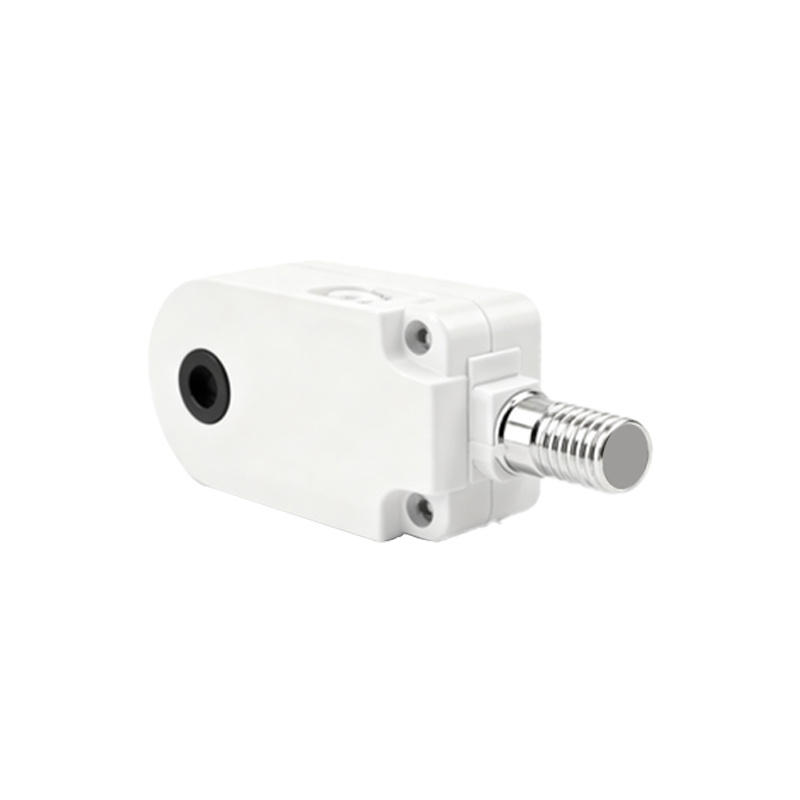
In the realm of industrial automation and machine control, proximity switch sensors stand as fundamental components for non-contact object detection. Among the various configurations available, the three-wire 220V AC proximity sensor represents a robust and widely adopted solution, particularly in environments where high-power control or direct interfacing with industrial AC systems is required. This article delves into the technical intricacies, application considerations, and best practices for deploying these sensors.
The core principle of an inductive proximity sensor, the most common type for metallic target detection, remains consistent regardless of voltage: it generates an electromagnetic field. When a metallic object enters this field, it induces eddy currents within the target, causing a change in the sensor's internal oscillation amplitude. This change is detected by the circuitry, which subsequently triggers a switching action. The "three-wire" designation is crucial. Unlike two-wire sensors that are connected in series with the load, a three-wire sensor has separate conductors for power supply, ground (or neutral), and the output signal. This design offers significant advantages, including lower leakage current, more stable switching characteristics, and the ability to source or sink current, providing greater flexibility in connecting to Programmable Logic Controllers (PLCs), relays, or other control devices.
The specification of 220V AC (alternating current) directly defines the sensor's operating power range, typically spanning from 20V to 250V AC. This high-voltage compatibility is a key differentiator. It allows the sensor to be powered directly from standard single-phase industrial AC mains prevalent in many regions, eliminating the need for an additional step-down power supply or a separate DC voltage source. This simplifies cabinet design, reduces component count, and enhances overall system reliability by minimizing conversion points.
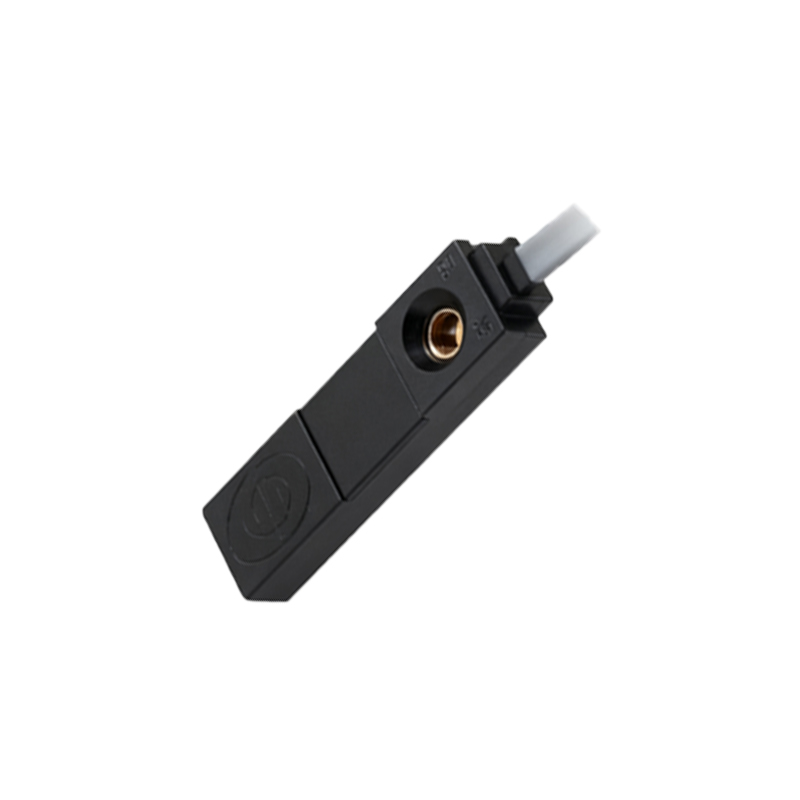
A typical wiring diagram for a 220V AC three-wire sensor involves three distinct wires, usually color-coded according to international standards (e.g., brown for line/L, blue for neutral/N, and black for the output switch). The brown wire connects to the live 220V AC phase. The blue wire connects to the neutral. The black wire is the switched output. It is critical to understand the output type: a PNP (sourcing) configuration in an AC sensor will provide a voltage output relative to neutral, while an NPN (sinking) configuration is less common in pure AC sensors but may exist in universal voltage types. The load (e.g., the coil of a contactor or a PLC input module) is connected between this black output wire and either the live or neutral, depending on the specific sensor's design and the control logic required. Meticulous attention to the manufacturer's datasheet is non-negotiable for correct and safe installation.
The advantages of using a 220V AC three-wire proximity sensor are substantial. Their direct mains operation offers unparalleled simplicity and cost-effectiveness for controlling high-voltage loads. They exhibit excellent resistance to electrical noise commonly found in industrial settings. Furthermore, their robust construction is designed to withstand voltage transients and surges. However, engineers must also account for their limitations. The switching frequency of AC sensors is generally lower than that of their DC counterparts due to the zero-crossing of the AC waveform, which can limit their use in high-speed counting applications. The physical size of AC sensors can be larger to accommodate the necessary power circuitry and isolation. Also, the release delay (turn-off time) is typically longer, which must be considered in timing-critical control sequences.
Selection criteria extend beyond just voltage. Key parameters include sensing distance (rated operating distance), the type of target material (ferrous vs. non-ferrous metals), housing material (e.g., nickel-plated brass or stainless steel for harsh environments), IP (Ingress Protection) rating for dust and water resistance, and temperature range. For 220V AC applications, ensuring the sensor has adequate dielectric strength and conforms to relevant safety standards (like IEC, UL, or CE) is paramount for operator and equipment safety.
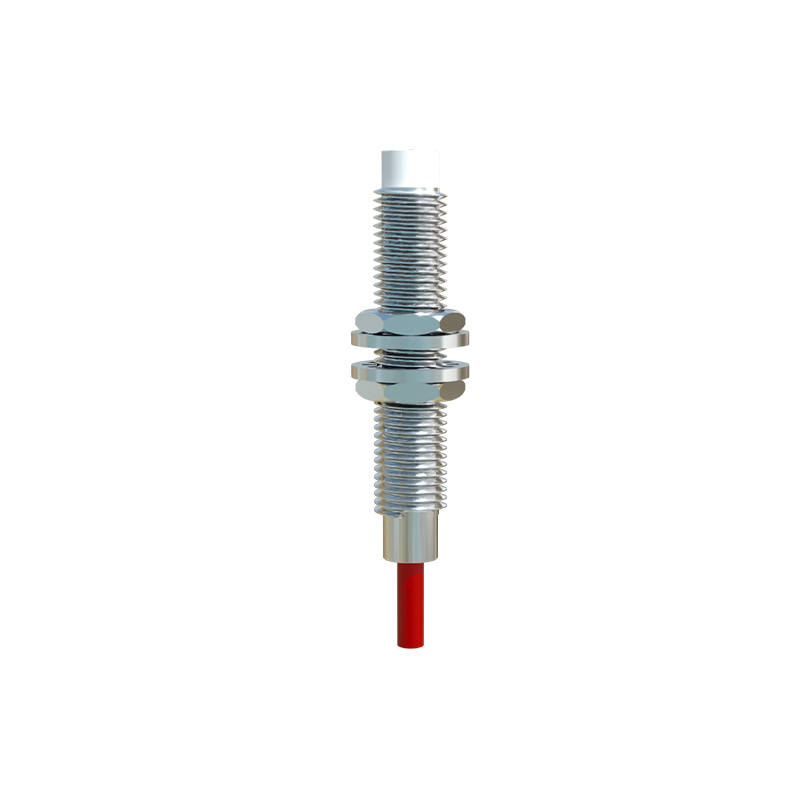
In practical application, these sensors are workhorses in material handling, packaging machinery, metalworking, and automotive assembly lines. They are used for position detection, end-of-travel limits, part presence verification, and rotary speed monitoring. A common best practice is to install them with a slight margin (10-20%) inside their nominal sensing range to compensate for mechanical tolerances and environmental factors like temperature drift. Proper shielding and conduit for cables are recommended in areas with high electromagnetic interference. Regular maintenance, though minimal, should include checking for physical damage, buildup of metallic debris on the sensing face, and verifying stable mounting.
In conclusion, the 220V AC three-wire proximity sensor is a mature, reliable, and powerful tool in an automation engineer's arsenal. Its design elegantly bridges the gap between high-power industrial mains and sensitive control logic. By thoroughly understanding its operating