In the realm of industrial automation and control systems, proximity sensors are indispensable components. They detect the presence or absence of objects without physical contact, ensuring precision, reliability, and efficiency in countless applications from manufacturing assembly lines to robotic systems. The market is populated by numerous brands, each offering distinct technologies, such as inductive, capacitive, ultrasonic, and photoelectric sensors, tailored to various operational needs. This article explores some of the leading brands that have established themselves through innovation, quality, and global support.
First and foremost, Sick AG stands out as a German powerhouse in sensor technology. Renowned for high-performance photoelectric and inductive proximity sensors, Sick provides solutions that excel in harsh environments. Their products are characterized by robust construction, exceptional accuracy, and advanced diagnostic capabilities, making them a top choice for automotive, packaging, and material handling industries.
Another prominent name is Omron Corporation, a Japanese multinational with a vast portfolio of automation components. Omron's proximity sensors are celebrated for their compact design, durability, and ease of integration. The brand offers a wide range, including shielded and unshielded inductive models, as well as capacitive sensors for non-metallic object detection. Omron's commitment to R&D ensures continuous improvements in sensing distance and noise immunity.
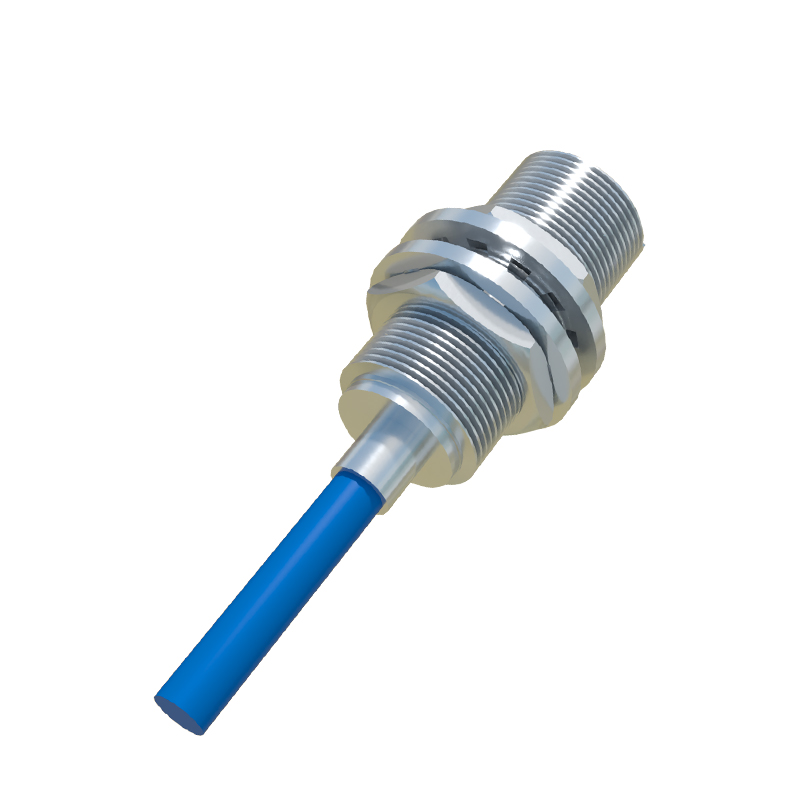
Pepperl+Fuchs, also headquartered in Germany, is a specialist in intrinsic safety and industrial sensor technology. Their proximity sensors are engineered for demanding applications in explosive atmospheres and extreme conditions. With a focus on innovation, Pepperl+Fuchs delivers sensors with high switching frequencies and resistance to environmental factors like dust, moisture, and temperature fluctuations.
From the United States, Rockwell Automation (under the Allen-Bradley brand) provides comprehensive automation solutions. Their proximity sensors are integral to integrated control systems, offering seamless connectivity with PLCs and networks. Rockwell emphasizes reliability and longevity, with sensors designed for heavy-duty use in sectors such as oil and gas, mining, and food processing.
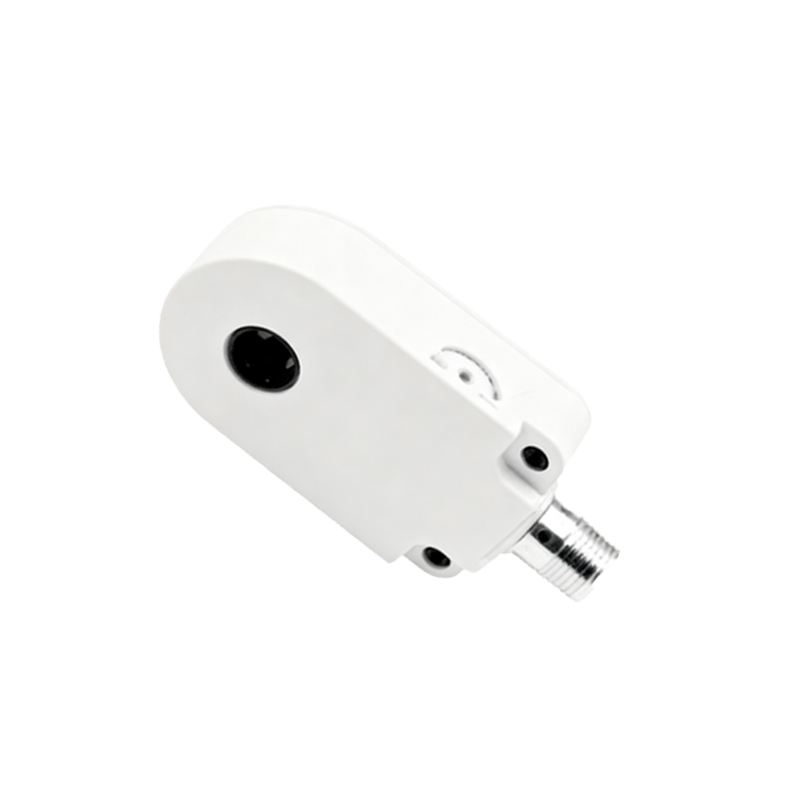
Balluff GmbH, a German sensor manufacturer, is recognized for its high-quality inductive and capacitive proximity sensors. Balluff's products feature innovative designs, such as factor-1 housing for space-constrained installations, and advanced functionalities like IO-Link communication for smart factory applications. Their sensors are widely used in machine tooling, automotive, and logistics.
Additionally, ifm electronic deserves mention for its user-friendly and efficient sensor solutions. ifm's proximity sensors are known for simple setup, robust performance, and comprehensive diagnostic indicators. The brand offers a diverse lineup, including sensors with teach-in functions and those resistant to welding fields, catering to industries like metalworking and robotics.
Emerging brands and regional players also contribute to the market's diversity. However, selecting the right brand depends on specific application requirements, such as sensing range, material compatibility, environmental conditions, and connectivity needs. Factors like technical support, availability of spare parts, and compliance with international standards (e.g., IEC, UL) are equally crucial in decision-making.
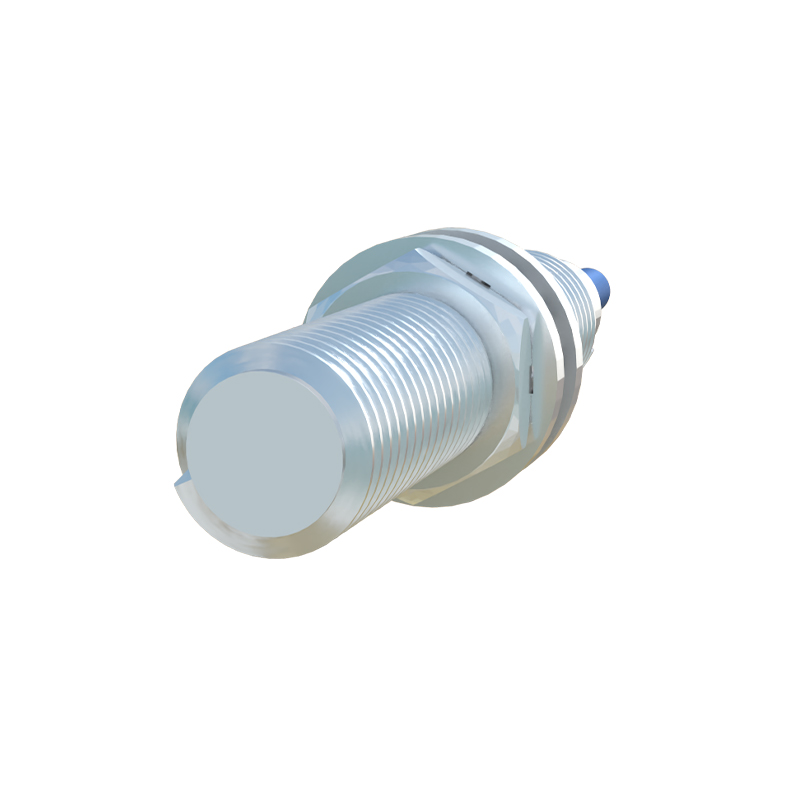
In summary, the proximity sensor market is dominated by established brands that combine technological expertise with practical reliability. Sick, Omron, Pepperl+Fuchs, Rockwell Automation, Balluff, and ifm represent the forefront, each bringing unique strengths to automate and optimize industrial processes. As Industry 4.0 advances, these brands continue to innovate, integrating smart features like IoT connectivity and predictive maintenance capabilities into their sensor offerings.