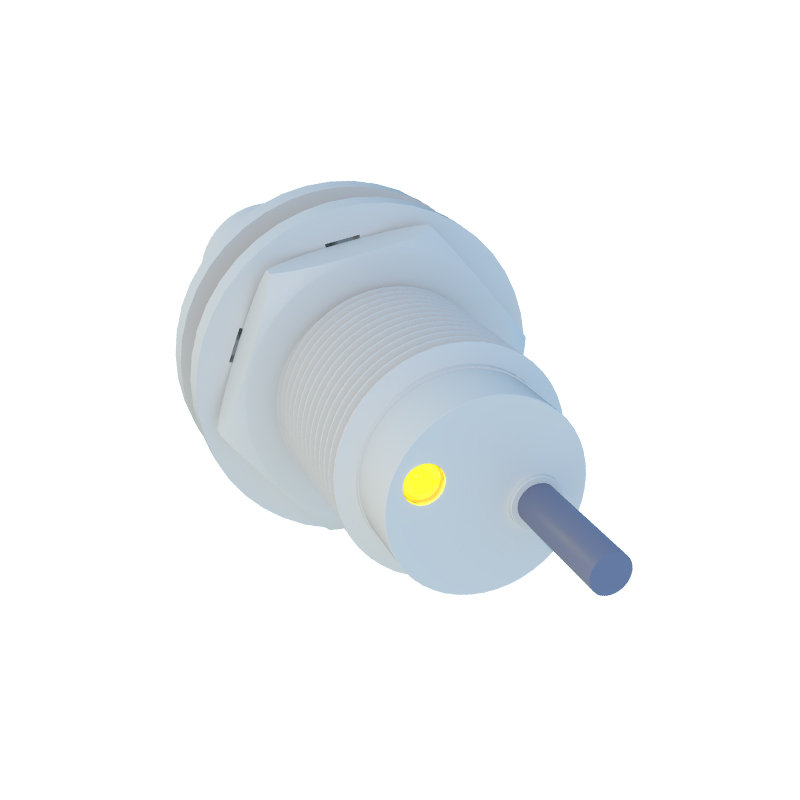
Proximity sensors are indispensable components in modern industrial automation, playing a critical role in object detection, positioning, and process control without physical contact. However, despite their reliability and widespread adoption, they are not immune to problems. Understanding these common issues is essential for engineers and technicians to ensure optimal system performance, minimize downtime, and extend sensor lifespan.
One of the most prevalent challenges is environmental interference. Industrial settings are often harsh, exposing sensors to extremes. Temperature fluctuations can cause drift in sensing range and output characteristics, particularly in inductive and capacitive sensors. Excessive heat can damage internal electronics, while extreme cold may cause condensation, leading to short circuits. Contaminants such as dust, oil, coolant, and metal shavings can accumulate on the sensor face, attenuating the sensing field for inductive models or causing false triggers in capacitive ones. For photoelectric sensors, airborne particulates can obscure the lens, while splashing liquids can create false reflections or block the beam entirely.
Electrical noise and interference constitute another significant category of problems. In environments with heavy machinery, variable frequency drives (VFDs), welding equipment, or large solenoids, electromagnetic interference (EMI) can be severe. This noise can be inductively or capacitively coupled into sensor wiring or directly affect the sensor's circuitry, resulting in erratic output signals, chattering, or complete failure. Poor grounding practices often exacerbate this issue. Additionally, voltage spikes and surges on the power supply line, common during motor startups or load switching, can damage sensitive sensor electronics over time.
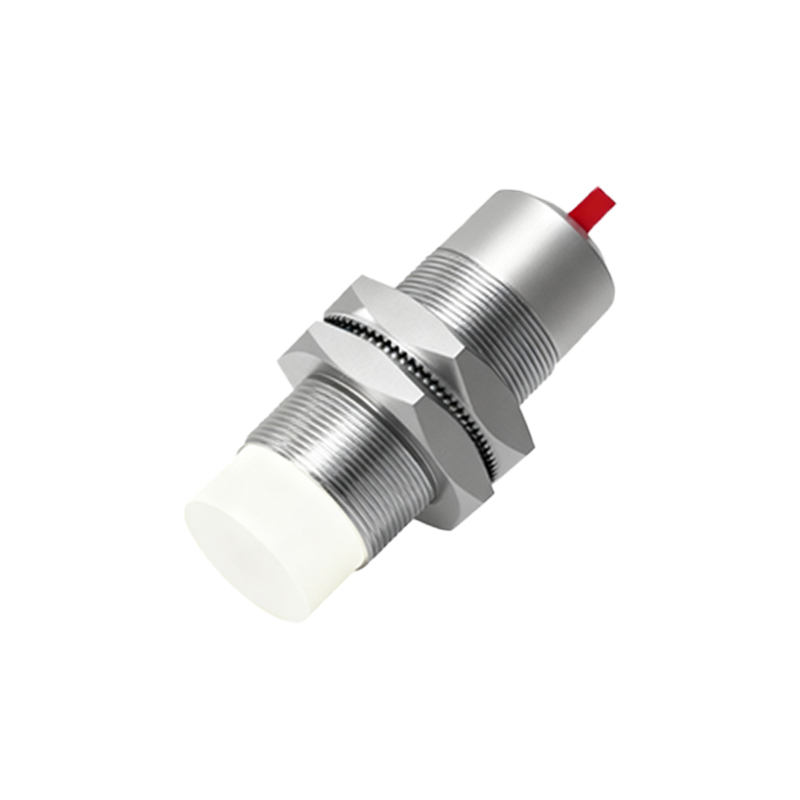
Installation and mechanical issues frequently lead to premature sensor failure or unreliable operation. Incorrect mounting, such as improper distance from the target or misalignment (especially critical for through-beam photoelectric sensors), directly impacts performance. Vibration can loosen mounting hardware, gradually shifting the sensor out of its optimal position. Physical damage from impacts, abrasion from passing materials, or stress on cables and connectors are common in dynamic environments. Using a sensor with an inadequate sensing range for the application will force it to operate at its limit, reducing its margin for error and consistency.
Sensor selection errors are a root cause of many operational headaches. Choosing the wrong sensing technology for the target material is a classic mistake. For instance, a standard inductive sensor will not detect non-ferrous metals like aluminum or copper effectively unless specifically designed for such applications. Similarly, a capacitive sensor might be triggered by an unintended target, such as a container wall or varying moisture levels, if not properly adjusted. Selecting a sensor with an output type (PNP vs. NPN, analog vs. discrete) incompatible with the PLC or controller input module will render the system inoperable.
Finally, inherent limitations and wear must be acknowledged. All sensors have a specified repeatability accuracy, and expecting micron-level precision from a standard unit is unrealistic. The sensing face or lens material can degrade over time; for example, ultrasonic sensor transducers can fatigue, and photoelectric lenses can become permanently clouded. For inductive sensors, the oscillation circuit components age, potentially leading to a reduced nominal sensing range (Sn) over years of continuous operation.
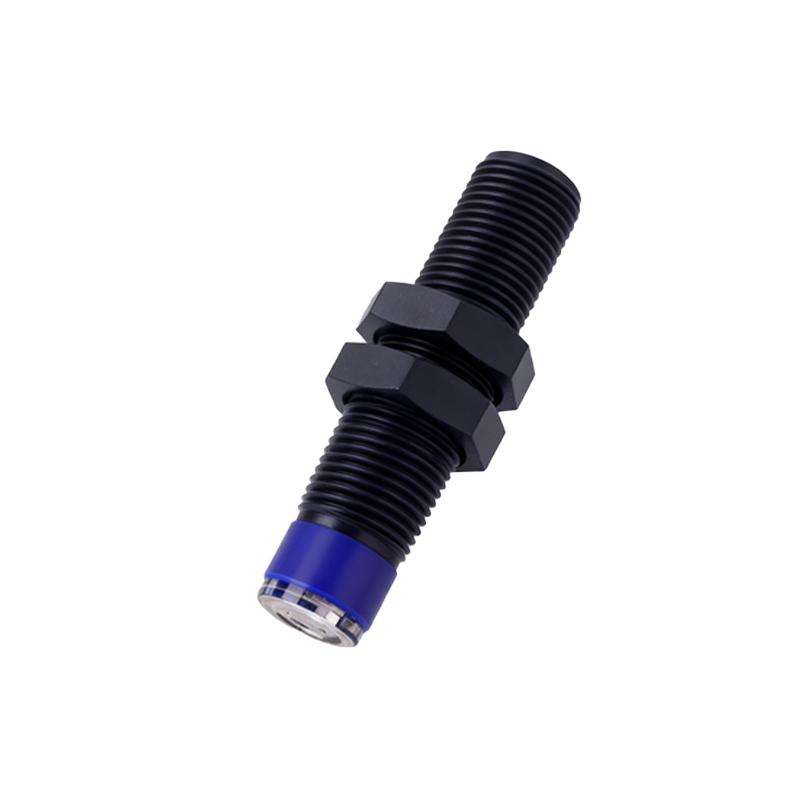
Mitigating these problems requires a systematic approach. It begins with meticulous sensor selection based on the target material, required sensing distance, environmental conditions, and required output. Proper installation following manufacturer guidelines for mounting, spacing, and shielding is non-negotiable. Implementing good electrical practices—using shielded cables, ensuring a single-point ground, and installing surge protection—dramatically reduces electrical issues. Regular preventive maintenance, including cleaning sensor faces, checking mounting integrity, and verifying output signals, is crucial for long-term reliability.
In conclusion, while proximity sensors are robust, their performance is contingent on correct selection, installation, and environmental management. By proactively addressing the common issues of environmental interference, electrical noise, mechanical stress, selection errors, and natural wear, engineers can build more resilient and dependable automation systems, ensuring smooth and uninterrupted industrial operations.