In industrial automation, material handling, and safety systems, the ability to detect objects at a significant distance without physical contact is crucial. 5-meter proximity sensors provide this essential long-range detection capability. Unlike standard inductive or capacitive sensors limited to millimeters or a few centimeters, these sensors are designed for applications requiring reliable sensing over several meters. This article explores the primary types of 5-meter proximity sensors, their operating principles, common applications, and key selection criteria.
The most prevalent technology for achieving a 5-meter sensing range is ultrasonic sensing. Ultrasonic proximity sensors operate by emitting high-frequency sound waves (typically between 40 kHz and 400 kHz) and then listening for the echo reflected from a target object. The time interval between the emitted pulse and the received echo is calculated to determine the distance to the object. These sensors are highly effective for detecting a wide variety of materials, including solids, liquids, and granular substances, regardless of color or optical transparency. They are relatively immune to environmental factors like dust, smoke, or light interference, making them robust for harsh industrial environments. However, their accuracy can be affected by temperature variations and the texture or angle of the target surface.
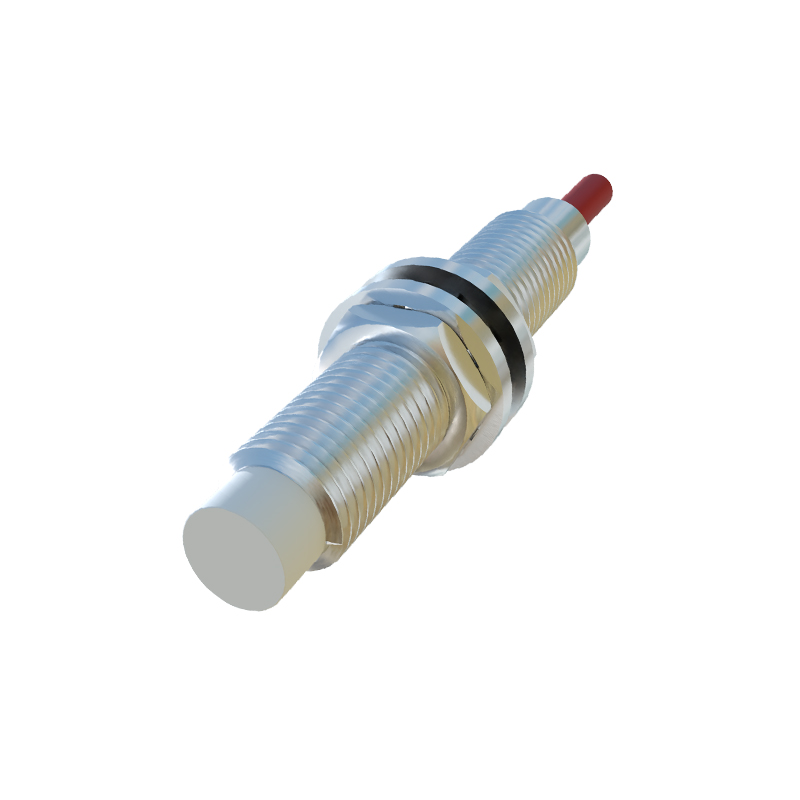
Another common technology is photoelectric sensors, specifically the through-beam and retro-reflective types, which can easily achieve a 5-meter range. Through-beam sensors consist of separate emitter and receiver units. The emitter projects a continuous or modulated light beam (often infrared or laser) to the receiver. An object is detected when it interrupts this beam. This configuration offers the longest, most reliable sensing distance and high precision. Retro-reflective sensors house both emitter and receiver in a single housing, using a reflector to bounce the light beam back. Detection occurs when the beam is blocked. While convenient, the effective range can be slightly less than through-beam models, and they may be confused by highly reflective objects. Diffuse reflective sensors, which rely on light bouncing directly off the target, typically have shorter ranges and are not suitable for consistent 5-meter detection.
For specific applications, especially in outdoor or security contexts, microwave (radar) motion sensors can offer ranges well beyond 5 meters. These sensors emit continuous microwave signals and detect changes in the reflected signal's frequency caused by a moving object (Doppler effect). They are excellent for detecting motion through non-metallic barriers like walls or plastic and are largely unaffected by weather conditions. However, they are generally used for motion detection rather than precise distance measurement at a fixed point.
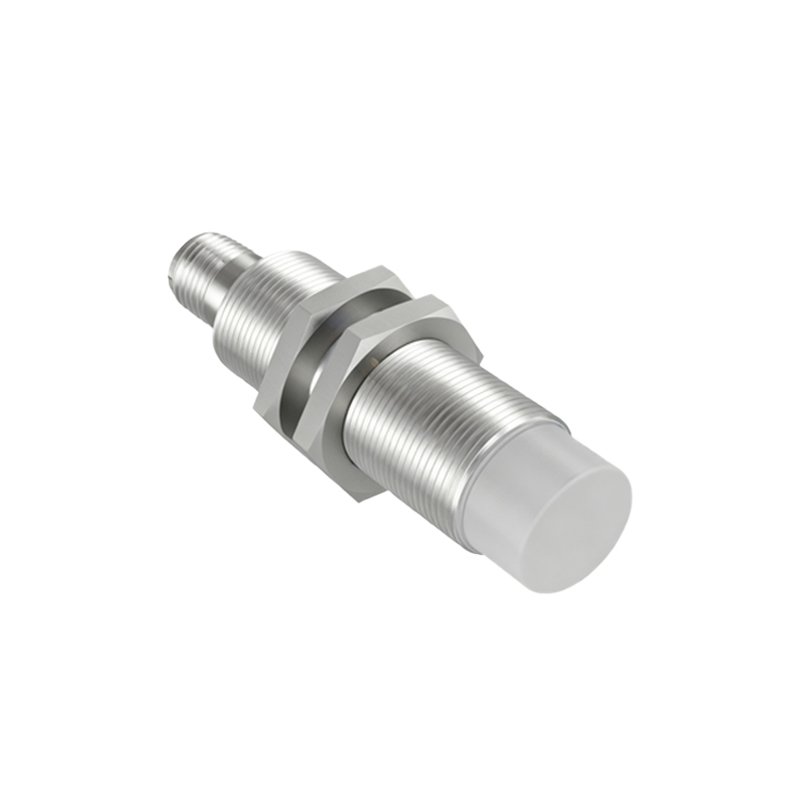
The applications for 5-meter proximity sensors are vast and varied. In warehouse automation, they are used for high-bay storage retrieval, pallet detection on conveyor lines, and vehicle guidance in AGVs (Automated Guided Vehicles). In the automotive industry, they monitor assembly line processes and ensure safe robot cell perimeters. For bulk material handling, ultrasonic sensors monitor levels in large silos or bins from the top. In parking facilities and building access systems, they detect vehicle presence at gates or door openings. Safety systems also employ these long-range sensors as part of presence-sensing devices to establish protective fields around hazardous machinery.
Selecting the right 5-meter proximity sensor requires careful consideration of several factors beyond just range. First, identify the target material: for metallic objects at a distance, a specialized long-range inductive sensor might be an option, though 5m is typically beyond its standard capability, making ultrasonic or photoelectric the go-to choices. Consider the environment: will there be dust, moisture, temperature swings, or vibration? Ultrasonic sensors handle dust and mist well, while photoelectric sensors with high IP ratings are suitable for washdown areas. The required output is also key: do you need a simple discrete switch signal (PNP/NPN) or an analog output (4-20mA, 0-10V) for continuous distance measurement? Finally, evaluate the response time and sensing pattern. Ultrasonic sensors have a wider beam angle, which can be an advantage for large targets but may cause unwanted detection of background objects. Laser photoelectric sensors offer a very precise, narrow beam for pinpoint accuracy.
Installation and alignment are critical for reliable operation, especially for photoelectric types. Proper mounting brackets and alignment tools are recommended. Regular maintenance, such as cleaning the lens of photoelectric sensors or the transducer face of ultrasonic sensors, is necessary to prevent false triggers or degraded performance.
In conclusion, 5-meter proximity sensors, primarily utilizing ultrasonic and photoelectric technologies, are indispensable tools for modern industrial sensing. By understanding their distinct operating principles, strengths, and limitations, engineers and system integrators can effectively deploy them to enhance automation efficiency, ensure material handling accuracy, and uphold critical safety standards. The correct selection, based on a thorough analysis of the application requirements, ensures reliable long-range detection and contributes to a robust and productive operational environment.