In the demanding environments of modern industrial automation, proximity switch sensors are indispensable components. Their reliable operation, however, is critically dependent on one often-overlooked element: the waterproof enclosure. The production of these protective housings is not merely a matter of encasing electronics in plastic or metal; it is a precise engineering discipline that directly impacts sensor longevity, accuracy, and safety. This guide delves into the key considerations and processes involved in manufacturing high-quality waterproof enclosures for proximity sensors.
The primary function of the enclosure is to create a hermetic seal, protecting the sensitive internal electronics from ingress of water, dust, oils, coolants, and other contaminants. The industry standard for quantifying this protection is the Ingress Protection (IP) rating, as defined by the International Electrotechnical Commission (IEC 60529). For most industrial applications, a minimum rating of IP67 is required, signifying complete protection against dust and the ability to withstand temporary immersion in water. Harsher environments, such as food processing or deep-sea applications, may necessitate IP68 or IP69K ratings. The enclosure production process must be meticulously controlled to achieve and consistently maintain these specified ratings.
Material selection is the foundational decision. The choice is dictated by the sensor's operating environment, required sensing distance, and chemical exposure.
Plastics (PBT, PPS, PVC): Widely used for their excellent corrosion resistance, good dielectric strength, and cost-effectiveness for high-volume production. Engineering plastics like PBT and PPS offer high thermal stability and mechanical strength. The molding process allows for complex shapes that integrate mounting brackets and cable entry points seamlessly.
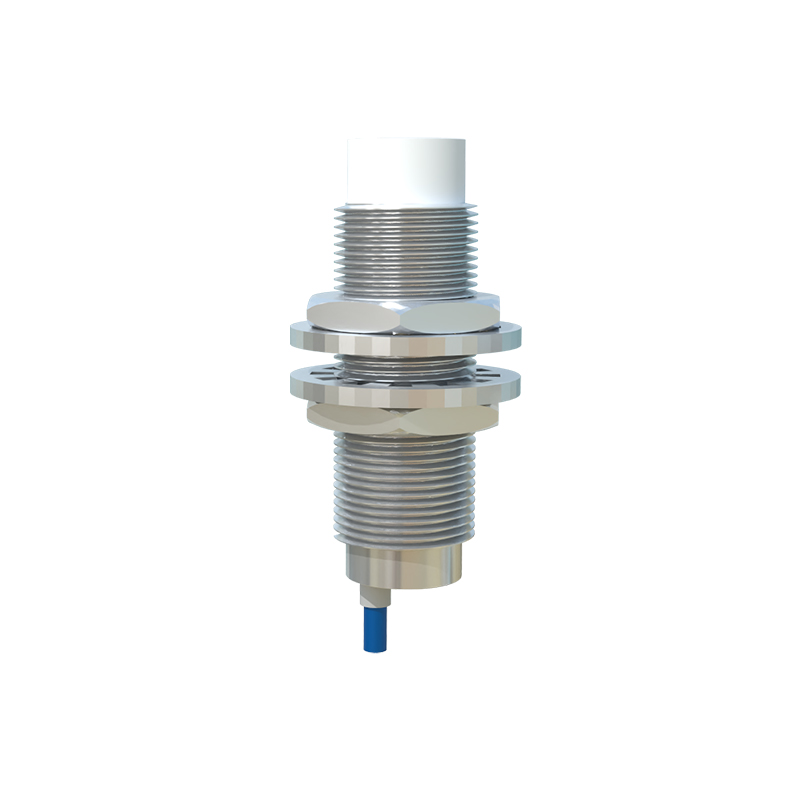
Stainless Steel (AISI 304, 316L): Preferred in extreme environments involving high pressure, high temperature, or aggressive chemicals (e.g., marine, pharmaceutical, chemical plants). Type 316L offers superior corrosion resistance. Production involves precision machining, welding, and polishing to ensure surface integrity. A critical note: the use of metallic enclosures can reduce the effective sensing range of inductive proximity sensors, necessitating careful design, often with a non-metallic sensing face.
Brass with Nickel Plating: Provides a good balance between durability, machinability, and moderate corrosion resistance, often used in hydraulic applications.
The production methodology varies significantly by material. For plastic enclosures, injection molding is the predominant technique. The process requires high-precision molds with exceptionally smooth surfaces at the parting lines and seal interfaces. Any flash or imperfection at these critical junctions is a direct path for moisture ingress. For metal enclosures, CNC machining is standard for creating the main body and cap. Achieving a waterproof seal often involves machining precise O-ring grooves. The sealing surface finish is paramount; a too-rough surface will cut the O-ring, while a too-smooth surface may not allow the seal to seat properly. Laser welding or TIG welding might be employed for permanent seals in IP68/IP69K units, requiring skilled operators to prevent warping or creating micro-fissures.
The seal itself is the heart of waterproofing. Static seals, typically elastomeric O-rings (made from NBR, FKM/Viton, or EPDM), are seated in machined grooves. The groove design—its depth, width, and surface finish—is calculated based on the O-ring's compression ratio (usually 15-30%). Dynamic seals, used where a moving part like an adjustment potentiometer shaft exits the enclosure, are more challenging and may use lip seals or magnetic fluid seals. The cable gland entry point is another critical area. Many enclosures use molded cable exits or integrated threaded entries for certified cable glands that maintain the IP rating.
Post-production validation is non-negotiable. Every production batch must undergo rigorous testing. This includes:
1. Visual and Dimensional Inspection: Checking for surface defects, flash, and critical dimensions.
2. Pressure Decay Leak Testing: A highly sensitive method where the enclosure is pressurized, and a sensor monitors for minute pressure drops indicating leaks.
3. Immersion Testing (for IP67/68): Submerging the sealed sensor in a water tank under specified depth and duration conditions, followed by a functional check.
4. Environmental Stress Testing: Subjecting samples to thermal cycling and vibration to ensure seal integrity under operational stresses.
In conclusion, the production of a waterproof enclosure for a proximity sensor is a synergy of material science, precision manufacturing, and stringent quality control. It transforms a sensitive electronic device into a robust, reliable workhorse capable of surviving on the factory floor. For engineers specifying these sensors, understanding the nuances of enclosure production—from IP ratings and material trade-offs to seal design—is essential for selecting the right component for the application, ensuring uninterrupted operation and maximizing the