Proximity sensors are indispensable components in modern industrial automation, robotics, and safety systems. As an electrical engineer or procurement specialist, understanding the cost factors of these sensors is crucial for project budgeting and component selection. The price of a proximity sensor is not a fixed number; it varies widely based on type, technology, specifications, brand, and application requirements.
Firstly, the core technology dictates a significant portion of the cost. Inductive proximity sensors, used for detecting metallic objects, are generally the most economical. Basic shielded inductive sensors with standard sensing ranges (e.g., 2mm to 8mm) can start as low as $15 to $30 USD per unit for common models from generic or Asian manufacturers. For more robust, brand-name inductive sensors from leaders like Omron, Sick, or Pepperl+Fuchs, prices typically range from $40 to $120 each, depending on housing material (e.g., stainless steel), sensing distance, and output configuration (PNP/NPN, NO/NC).
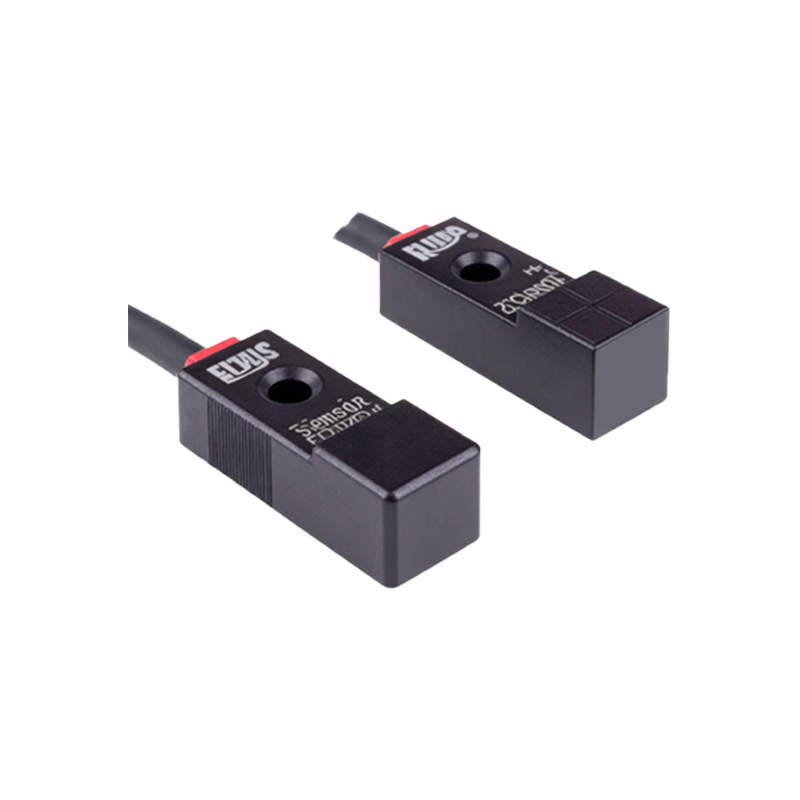
Capacitive proximity sensors, capable of detecting both metallic and non-metallic materials, usually carry a premium over inductive types. Entry-level models may begin around $25 to $50, while high-performance or specialized versions for detecting liquids or through-wall applications can cost between $60 and $200.
Magnetic proximity sensors (reed or Hall effect) are often used for position detection in cylinders and are relatively low-cost, ranging from $10 to $50. However, photoelectric sensors, which use light beams for detection, present a much broader price spectrum. Simple diffuse-reflective photoelectric sensors can be found for $30 to $80, while precise through-beam or background-suppression models with advanced features like fiber optics or laser technology can easily exceed $200, sometimes reaching $500 or more for highly specialized units.
Ultrasonic sensors, used for distance measurement and level detection, are on the higher end. Basic models start around $50 to $100, with sophisticated analog-output or long-range variants costing $150 to $400+.
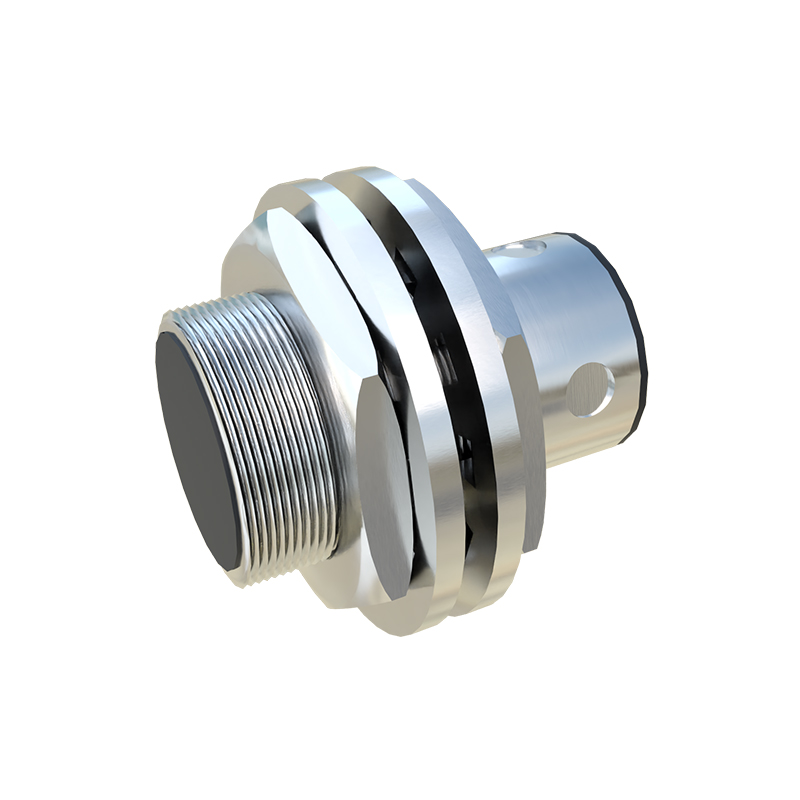
Beyond the core technology, several key specifications dramatically influence price:
Sensing Range: Longer range typically means higher cost.
Output Type: Analog output (4-20mA, 0-10V) sensors are more expensive than simple digital switches.
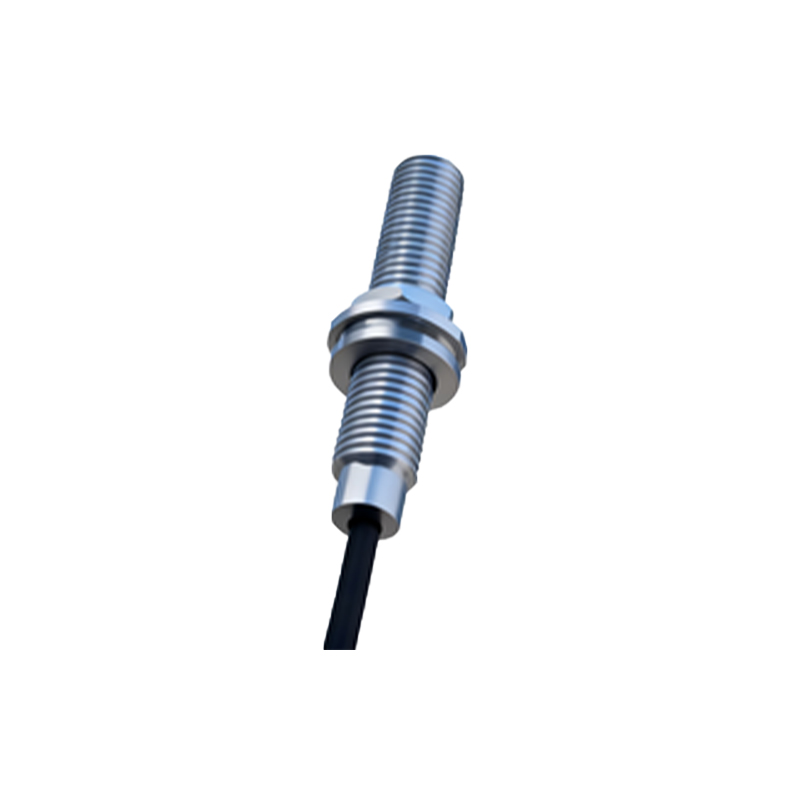
Housing & Build Quality: Sensors with IP67, IP69K, or NEMA ratings for harsh environments (washdown, extreme temperatures) command higher prices.
Connection Type: Pre-wired connectors add cost compared to simple cable exits.
Special Features: Intrinsically safe (ATEX/IECEx) certifications for hazardous areas, IO-Link communication capability, or enhanced resistance to welding fields can double or triple the base price.
Brand reputation is another major factor. Established European, American, and Japanese brands (e.g., Siemens, Balluff, Keyence, Turck) are priced at a premium due to perceived reliability, global support, and longer warranties. Their sensors often range from 50% to 200% more than functionally similar generic alternatives. Conversely, sensors from emerging manufacturers or those sold under distributor house brands offer significant cost savings, though potentially with trade-offs in consistency or longevity.
For bulk purchases, significant discounts are standard. Buying 100 units might reduce the per-unit cost by 15-30%, while large OEM quantities can see discounts of 40% or more. Always request volume quotes from distributors.
In summary, while a basic inductive sensor might cost under $20, a fully featured, brand-name photoelectric or ultrasonic sensor for a demanding application can cost several hundred dollars. The most cost-effective approach is to precisely define the application requirements: necessary sensing distance, target material, environmental conditions, required output, and needed certifications. Over-specifying leads to unnecessary expense, while under-specifying risks system failure. Consulting directly with technical sales engineers from sensor manufacturers or authorized distributors is highly recommended to navigate the options and obtain accurate, project-specific pricing. Remember, the total cost of ownership includes not just the purchase price, but also installation, maintenance, and potential downtime costs, making reliability a critical value metric.