In modern manufacturing environments, the integration of automation technologies has become essential for enhancing productivity, ensuring safety, and maintaining consistent quality. Among these technologies, proximity sensors play a critical role in press brake operations within production lines. Press brakes, used for bending sheet metal, require precise control to avoid accidents and material waste. Proximity sensors, particularly inductive and capacitive types, are deployed to detect the presence or position of metal workpieces, tools, or machine components without physical contact. This non-contact detection method minimizes wear and tear, reduces downtime, and improves operational efficiency.
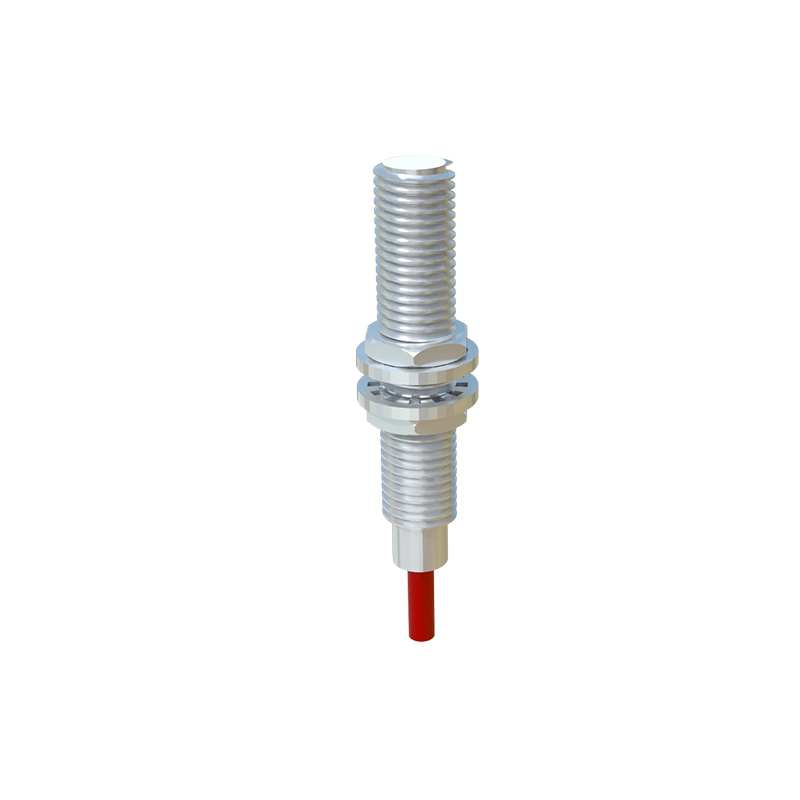
Inductive proximity sensors are commonly used in press brake applications due to their ability to detect metallic objects. These sensors generate an electromagnetic field and react to changes caused by ferrous or non-ferrous metals. In a typical setup, sensors are installed near the die or ram of the press brake to monitor the position of the metal sheet. When the sheet reaches the correct alignment, the sensor sends a signal to the control system, triggering the bending cycle. This ensures accurate bends and prevents misalignment, which could lead to defective parts or machine jams. Additionally, inductive sensors are robust, resistant to harsh industrial environments like dust, oil, and vibrations, making them ideal for heavy-duty press brake operations.
Capacitive proximity sensors offer another solution, capable of detecting both metallic and non-metallic materials. In press brake lines, they might be used for sensing materials like plastics or composites, though metal detection remains the primary application. These sensors work by measuring changes in capacitance when an object enters their sensing field. For instance, in automated feeding systems, capacitive sensors can verify the presence of a workpiece before it enters the press brake, ensuring seamless material flow. Their versatility allows for integration into various stages of the production line, from loading to unloading, enhancing overall automation.
Safety is a paramount concern in press brake operations, where human interaction with moving parts poses significant risks. Proximity sensors contribute to safety by enabling presence detection and zone monitoring. Light curtains or area scanners, which use arrays of sensors, can create invisible barriers around the press brake. If an operator’s hand or any object breaches this barrier, the sensor immediately signals the machine to stop or enter a safe mode, preventing accidents. This proactive safety measure complies with industry standards such as OSHA and ISO, reducing liability and promoting a secure work environment.
The implementation of proximity sensors in press brake automation also supports data collection and Industry 4.0 initiatives. Modern sensors often come with IO-Link or other communication protocols, allowing real-time monitoring of sensor status, diagnostics, and performance metrics. This data can be analyzed to predict maintenance needs, optimize cycle times, and reduce energy consumption. For example, if a sensor detects abnormal vibrations or misalignments, it can alert maintenance teams before a failure occurs, minimizing unplanned downtime. Such predictive maintenance strategies are crucial for maintaining high throughput in continuous production lines.
When selecting proximity sensors for press brake applications, engineers must consider factors like sensing range, response time, environmental conditions, and compatibility with control systems. For high-speed press brakes, fast-response sensors are necessary to keep up with rapid cycling. Similarly, in areas exposed to coolants or metal chips, sensors with high IP ratings (e.g., IP67) are recommended to ensure durability. Proper installation and calibration are equally important; misaligned sensors can lead to false triggers or missed detections, compromising both safety and efficiency. Regular testing and maintenance, as part of a comprehensive automation plan, help sustain optimal performance.
In conclusion, proximity sensors are indispensable components in automating press brake operations within production lines. They enhance precision, safety, and efficiency while enabling advanced data-driven management. As manufacturing evolves toward smarter factories, the role of these sensors will only grow, driving innovations in metalworking and beyond. By leveraging the right sensor technology, companies can achieve higher productivity, reduced costs, and a competitive edge in the global market.