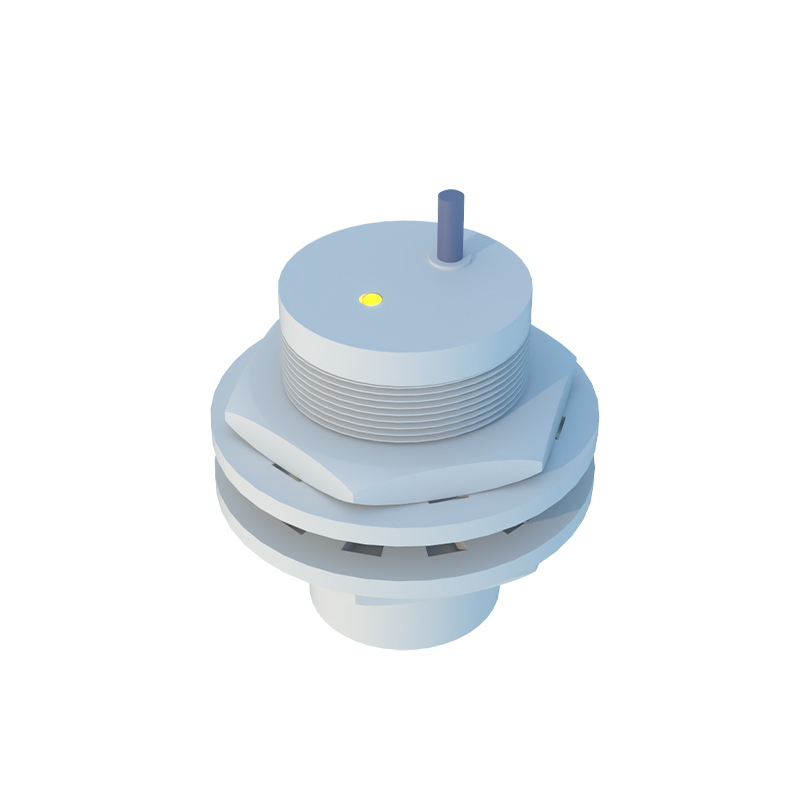
In the realm of industrial automation and electronic control systems, proximity sensors play a pivotal role in detecting the presence or absence of objects without physical contact. Among the various integrated circuits utilized for such applications, the LM358 operational amplifier stands out due to its versatility, reliability, and cost-effectiveness. This article delves into the schematic design and operational principles of an LM358-based proximity sensor, tailored for engineers and technicians in the electrical and automation industries.
The LM358 is a dual operational amplifier that operates from a single power supply, making it ideal for battery-powered or low-voltage systems. Its low input bias current and wide supply voltage range (3V to 32V) allow for flexible integration into diverse industrial environments. In a proximity sensor configuration, the LM358 is typically employed in a comparator or amplifier circuit to process signals from a sensing element, such as an inductive, capacitive, or infrared (IR) detector. For instance, in an inductive proximity sensor, a coil generates an electromagnetic field; when a metallic object enters this field, it induces eddy currents, altering the coil's inductance and resistance. This change is converted into a small voltage signal, which is then amplified and compared using the LM358 to produce a digital output indicating object detection.
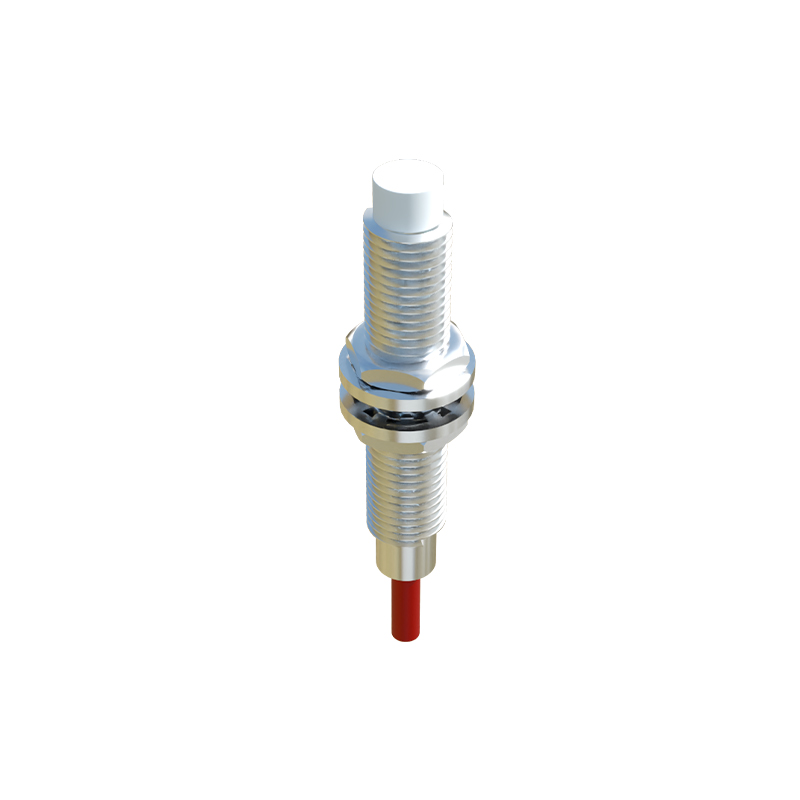
A basic schematic for an LM358-based proximity sensor includes the operational amplifier configured as a comparator. The non-inverting input (+) is connected to a reference voltage set by a voltage divider network, while the inverting input (-) receives the signal from the sensing element. When the sensor signal exceeds the reference voltage, the LM358's output switches from low to high (or vice versa, depending on the configuration), triggering an output device like a relay, LED, or microcontroller. To enhance stability and reduce noise, components such as feedback resistors, capacitors for filtering, and pull-up resistors are incorporated. For example, a hysteresis loop can be added by introducing positive feedback, preventing output oscillation near the threshold point—a common issue in noisy industrial settings.
In practical applications, the LM358 proximity sensor schematic can be adapted for various sensing technologies. For capacitive sensing, which detects non-metallic objects, the LM358 amplifies changes in capacitance caused by the object's proximity. In IR-based sensors, the LM358 processes signals from a photodiode or phototransistor, comparing them to a threshold to detect interruptions in an IR beam. The design considerations include selecting appropriate resistor and capacitor values to match the sensor's sensitivity and response time, ensuring reliable operation under temperature variations and electromagnetic interference. Power supply decoupling with capacitors is also crucial to minimize noise and maintain signal integrity.
The advantages of using the LM358 in proximity sensor schematics are manifold. Its low power consumption extends battery life in portable devices, while its robustness against supply voltage fluctuations ensures consistent performance in harsh industrial conditions. Moreover, the LM358's dual op-amp package allows for compact designs, where one amplifier can handle signal conditioning and the other can drive output stages or provide additional filtering. Engineers often leverage these features to create cost-effective solutions for object detection, position sensing, and safety systems in manufacturing, automotive, and consumer electronics.
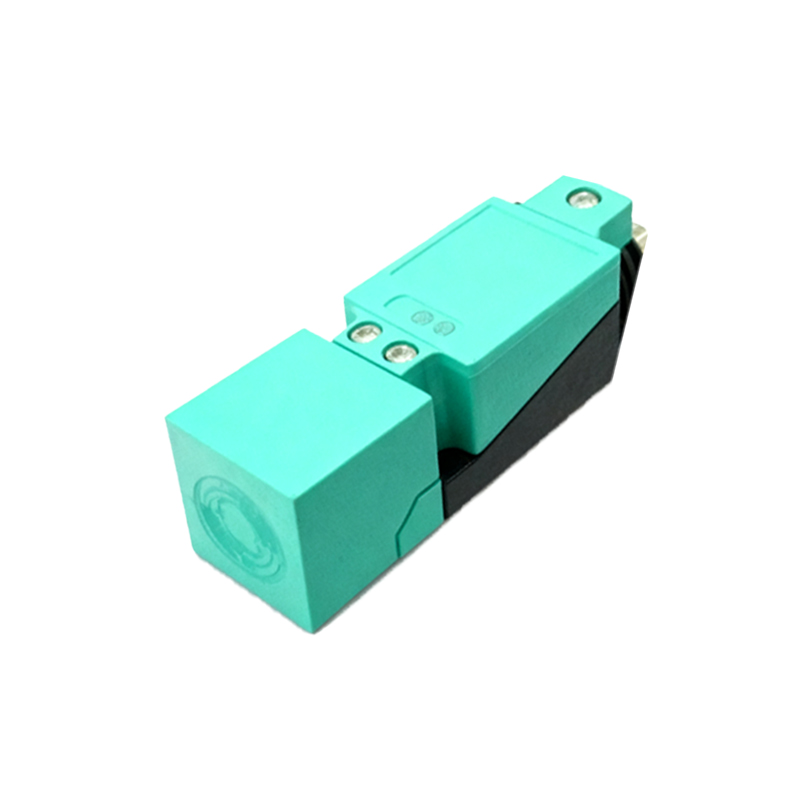
In conclusion, the LM358 proximity sensor schematic represents a fundamental building block in modern electronic design. By understanding its principles—from signal amplification and comparison to noise mitigation—professionals can customize sensors for specific industrial needs. As automation continues to evolve, mastering such circuits remains essential for developing efficient, reliable, and innovative detection systems. For further experimentation, refer to the LM358 datasheet and consider prototyping with simulation tools to optimize performance.