Proximity sensors are critical components in industrial automation, machinery, and safety systems, detecting the presence or absence of objects without physical contact. When these sensors begin to fail, they can cause significant disruptions in operations, leading to downtime, reduced productivity, or even safety hazards. Recognizing the early signs of proximity sensor damage is essential for timely maintenance and replacement. This article outlines the common symptoms of a failing proximity sensor, helping engineers and technicians diagnose issues effectively.
One of the most frequent indicators of a malfunctioning proximity sensor is erratic or inconsistent detection. In normal operation, a sensor should reliably detect targets within its specified range. However, when damaged, it may fail to detect objects that are well within range, or it might trigger falsely when no object is present. This inconsistency often stems from internal component wear, such as degraded oscillator circuits in inductive sensors or contaminated optics in photoelectric sensors. For instance, in a conveyor system, a faulty sensor might miss packages, causing jams or incorrect sorting. Technicians should monitor for irregular detection patterns, especially in repetitive processes, as these can signal impending failure.
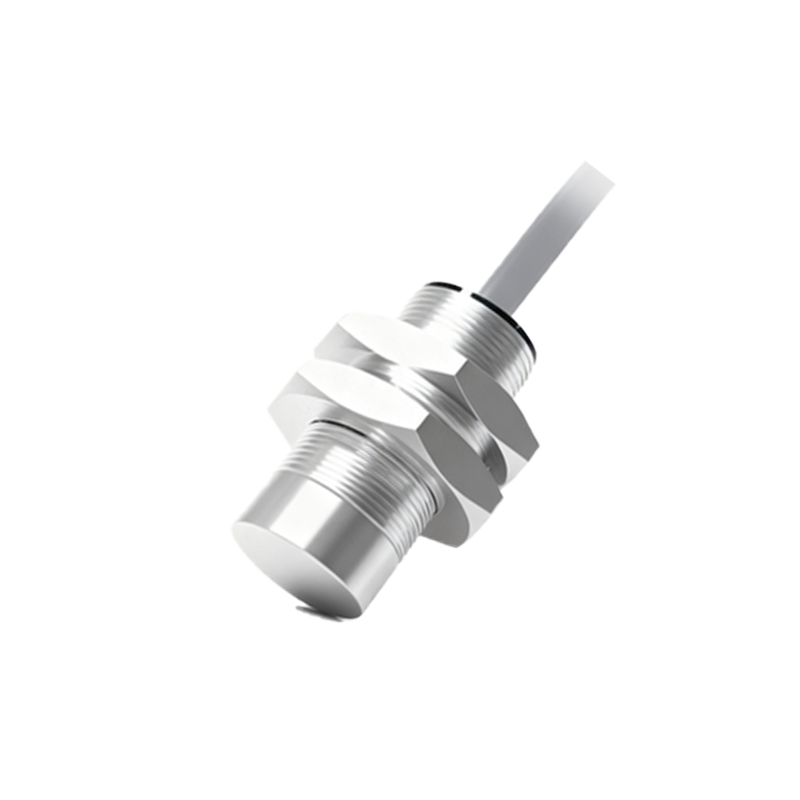
Another common symptom is reduced sensing range. Proximity sensors are designed with precise operating distances, but damage can cause this range to shrink significantly. For example, an inductive sensor rated for 10mm detection might only work at 5mm or less when compromised. This reduction often occurs due to physical damage to the sensor face, buildup of debris, or aging electronic components. In applications where sensors are mounted close to their detection limits, even a slight range decrease can lead to operational failures. Regular testing with calibrated targets can help identify range degradation before it impacts system performance.
Electrical issues are also telltale signs of proximity sensor damage. These may include intermittent output signals, voltage fluctuations, or complete signal loss. In DC sensors, damaged wiring or internal circuits can cause output transistors to fail, resulting in a stuck high or low signal. For AC sensors, issues like coil shorts or capacitor failures might lead to similar problems. Additionally, excessive current draw or overheating can indicate internal faults. Using a multimeter to check output voltage and current under load conditions can reveal these electrical anomalies. In networked systems, damaged sensors might cause communication errors or trigger PLC alarms, highlighting the need for thorough electrical diagnostics.
Physical damage to the sensor housing or components is often visible and directly impacts functionality. Cracks in the casing, bent or corroded connectors, or damaged cables can expose internal parts to moisture, dust, or mechanical stress. In harsh environments, such as those with high temperatures, vibrations, or chemical exposure, sensors are particularly prone to physical degradation. For instance, in metalworking facilities, coolant ingress can corrode sensor internals, while in outdoor applications, UV exposure might degrade plastic housings. Regular visual inspections should focus on signs of wear, leaks, or deformation, as these can compromise sensor integrity and lead to premature failure.
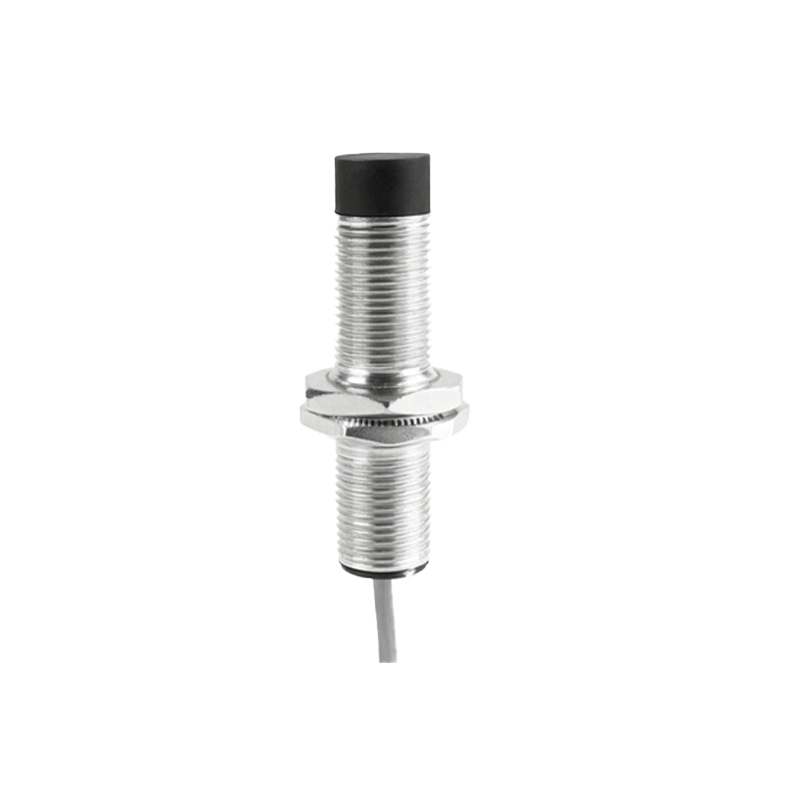
Environmental factors frequently accelerate proximity sensor damage. Contaminants like oil, grease, metal shavings, or dust can accumulate on sensor surfaces, interfering with detection. In capacitive sensors, material buildup might alter dielectric properties, causing false triggers. Similarly, extreme temperatures beyond the sensor’s rated specifications can affect electronic stability—excessive heat may warp components, while cold can reduce sensitivity. Electromagnetic interference (EMI) from nearby motors or welding equipment can also disrupt sensor operation, mimicking symptoms of internal damage. Implementing proper shielding, routine cleaning, and environmental controls can mitigate these issues, but persistent problems often indicate sensor deterioration.
Performance degradation over time is a subtle yet critical symptom. Even without obvious faults, sensors may gradually lose accuracy or response speed due to aging components. For example, the oscillator in an inductive sensor might drift, or the light emitter in a photoelectric sensor could dim. This slow decline can be hard to detect but may result in cumulative errors in precision applications, such as robotic positioning or quality inspection systems. Monitoring long-term data logs or using diagnostic tools to track response times and signal stability can help identify aging-related issues before they cause system failures.
In summary, proximity sensor damage manifests through erratic detection, reduced range, electrical faults, physical wear, environmental interference, and gradual performance decline. Early identification of these symptoms allows for proactive maintenance, minimizing downtime and ensuring operational safety. Engineers should incorporate regular testing, visual inspections, and environmental assessments into their maintenance routines. By understanding these common failure modes, professionals can extend sensor lifespan and maintain efficient, reliable automation systems. Always refer to manufacturer guidelines for specific troubleshooting and replacement procedures to ensure compatibility and performance.