In the dynamic landscape of industrial automation, selecting the right sensing technology is paramount for operational efficiency, safety, and cost-effectiveness. Photoelectric proximity sensors stand as a cornerstone in this domain, offering non-contact detection of objects with high precision and versatility. This guide is designed to assist engineers, procurement specialists, and system integrators in navigating the consultation and quotation process for these critical components, ensuring an informed and value-driven acquisition.
Understanding the core technology is the first step. Photoelectric sensors operate by emitting a beam of light (visible red, infrared, or laser) and detecting changes in the received light signal. They are primarily categorized into three types: through-beam (separate emitter and receiver), retro-reflective (uses a reflector), and diffuse (reflective), each with distinct advantages for range, environmental tolerance, and target material. Key performance specifications include sensing distance, response time, light source type, output configuration (PNP/NPN, analog, IO-Link), and environmental protection ratings (IP67, IP69K). Clearly defining your application requirements—such as target material (opaque, transparent, glossy), required detection distance, ambient conditions (dust, moisture, temperature fluctuations), and required output signal—is essential before initiating a consultation.
When preparing for a consultation with a supplier or manufacturer, compile a detailed application dossier. This should include:
1. Application Description: A clear explanation of what needs to be detected (e.g., presence of a bottle on a conveyor, positioning of a metal part) and the operational context.
2. Performance Parameters: Required sensing range, accuracy, response speed, and duty cycle.
3. Environmental Factors: Exposure to washdowns, chemicals, extreme temperatures, or intense ambient light.
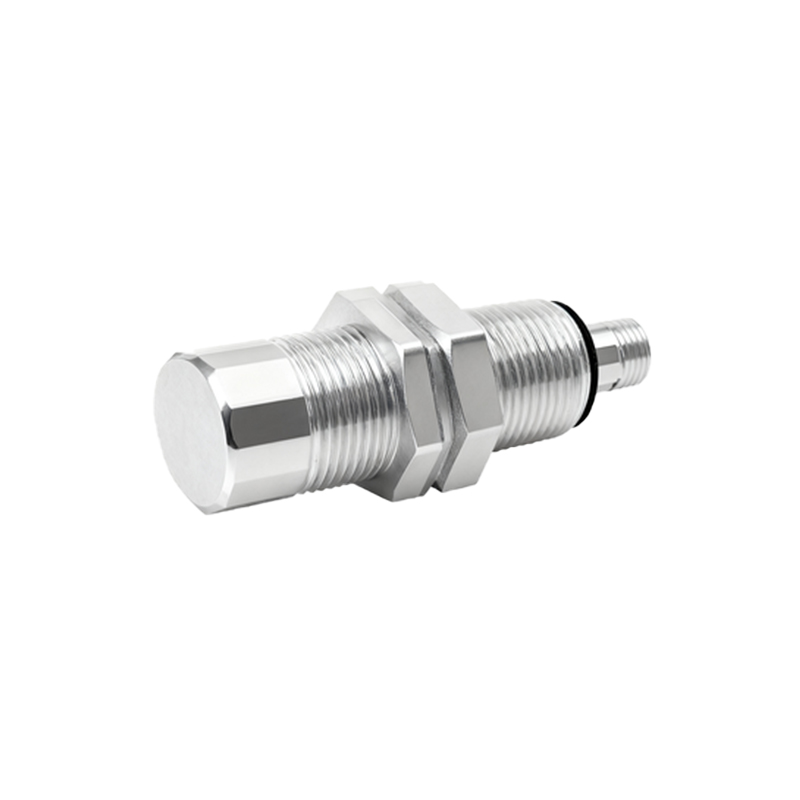
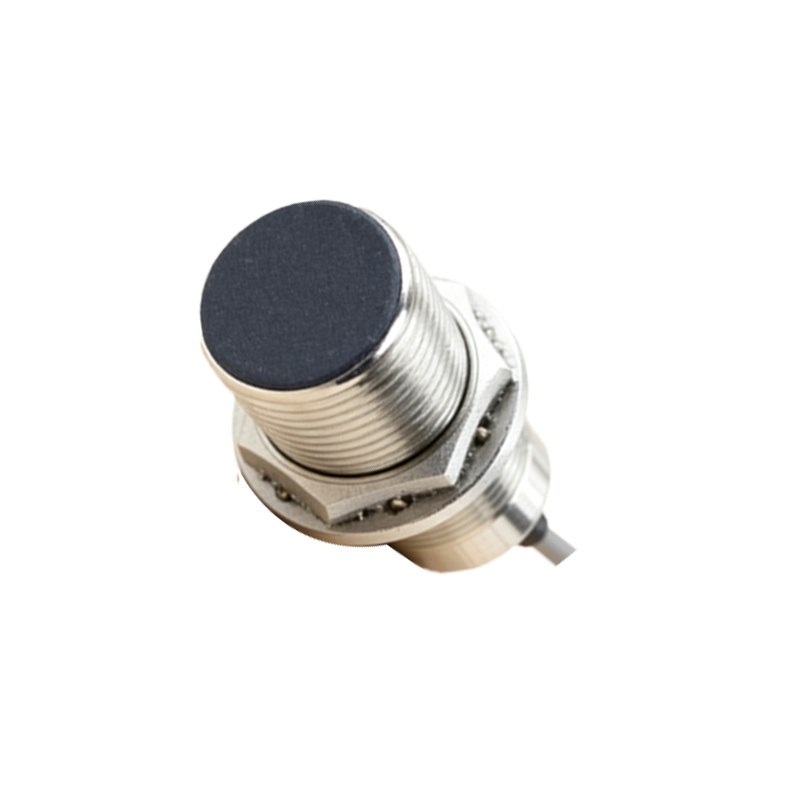
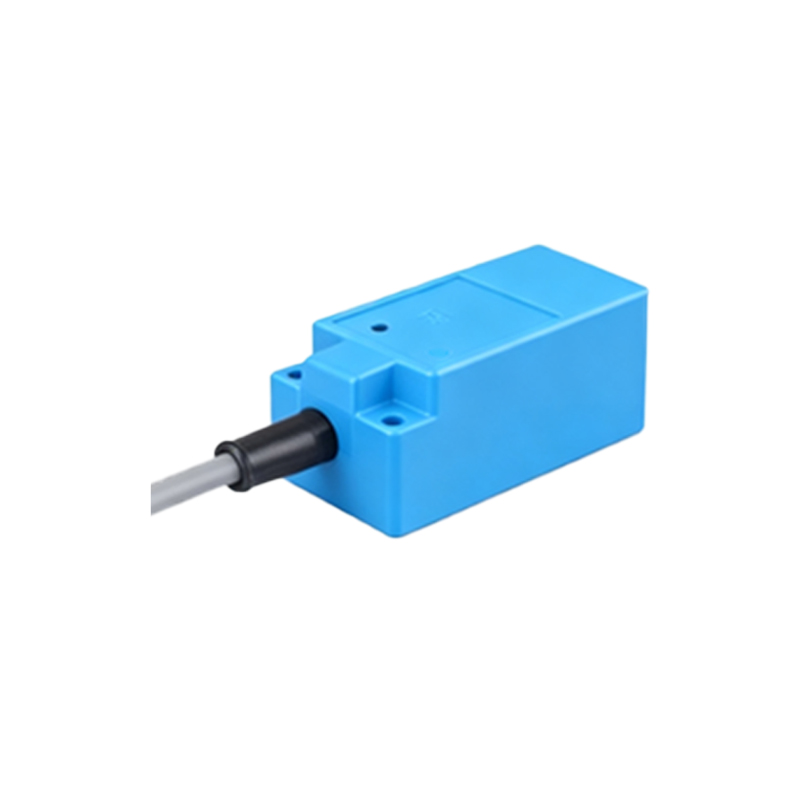
4. Mechanical & Electrical Constraints: Available mounting space, preferred housing material (stainless steel, plastic), supply voltage (10-30V DC typical), and connection type (connector, cable).
5. Integration Needs: Compatibility with existing PLC systems or networks (Profibus, Ethernet/IP).
The quotation you receive should be more than just a price list. Scrutinize it for completeness. A comprehensive quotation will detail:
Product Model & Description: Full part number and a brief technical description.
Unit Price: Clearly stated price per sensor, often with tiered pricing for volume orders.
Lead Time: Crucial for project planning, indicating stock availability or manufacturing time.
Warranty Terms: Standard warranty period and conditions.
Technical Support: Availability of pre-sales engineering support and post-sales service.
Certifications: Relevant industry certifications (UL, CE, ATEX for hazardous areas).
Cost considerations extend beyond the initial purchase price. Evaluate the Total Cost of Ownership (TCO), which encompasses:
Installation & Calibration Costs: Some high-precision sensors require precise alignment.
Maintenance & Downtime: Sensors with robust housings and stable performance reduce maintenance frequency and associated production stoppages.
Energy Efficiency: Modern sensors with low power consumption contribute to long-term operational savings.
Lifetime & Reliability: A higher-quality sensor with a longer Mean Time Between Failure (MTBF) offers better long-term value.
Engage with suppliers who demonstrate strong technical expertise. Pose specific scenario-based questions: "How will your sensor model XYZ perform in detecting clear glass bottles in a high-humidity environment?" Their ability to provide detailed, application-focused answers is a key indicator of their support quality. Request product samples for testing in your actual application environment whenever possible; this is the most reliable way to validate performance claims.
Finally, remember that the cheapest option is rarely the most economical in an industrial setting. A sensor failure can lead to significant production losses. Prioritize suppliers with a proven track record, reliable technical documentation, and responsive customer service. A clear, detailed consultation process leads to a precise quotation, which in turn ensures the selected photoelectric proximity sensor delivers optimal performance, durability, and return on investment for your specific automation challenge.