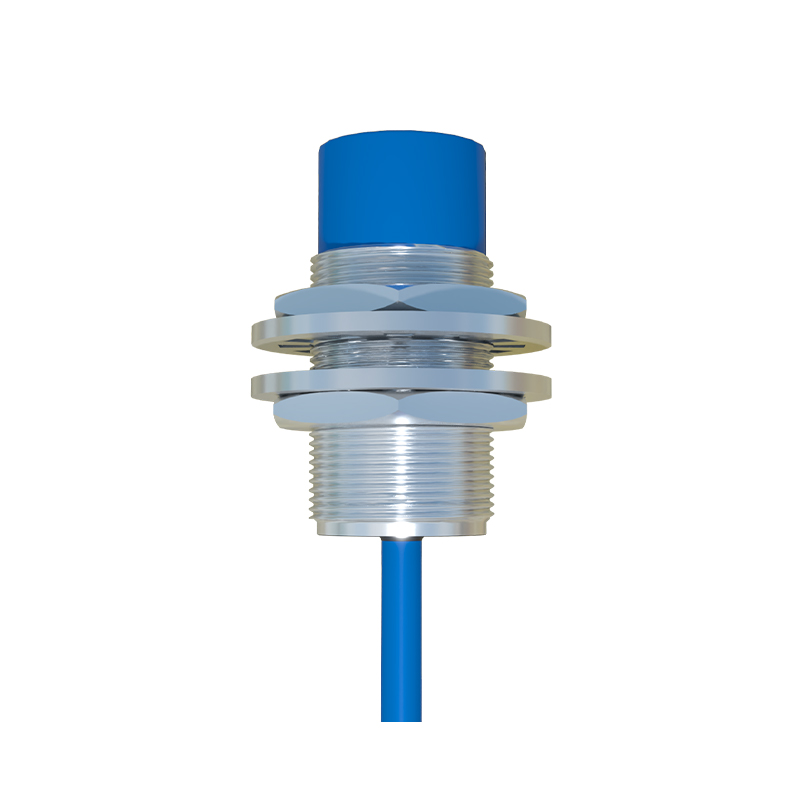
Optical proximity switch sensors are integral components in modern industrial automation, offering non-contact detection of objects through modulated light beams. These sensors rely on precise electrical connections to function reliably in demanding environments, making the selection and installation of terminal blocks a critical aspect of system design. Terminal blocks serve as the interface between sensor wiring and control systems, ensuring secure, organized, and maintenance-friendly connections.
When selecting terminal blocks for optical proximity sensors, engineers must consider several technical parameters. First, the voltage and current ratings must match or exceed the sensor's specifications, typically ranging from 10-30V DC and up to 200mA for standard models. For sensors used in high-vibration settings, such as packaging machinery or robotic arms, screw-type terminal blocks with clamping plates or spring-cage designs are preferred to prevent wire loosening. In corrosive or dusty environments, like chemical plants or woodworking facilities, terminal blocks with IP67-rated housings provide protection against moisture and particulate ingress. Additionally, the terminal material—often copper alloys with tin or nickel plating—ensures low contact resistance and corrosion resistance, which is vital for maintaining signal integrity over long cable runs.
Installation practices significantly impact sensor performance. Proper wire stripping length, typically 7-9mm for standard terminals, prevents short circuits while ensuring full contact. Ferrule crimping on stranded wires is recommended to avoid fraying and improve conductivity. For daisy-chaining multiple sensors, terminal blocks with bridging options or feed-through designs simplify wiring and reduce cabinet clutter. It's also essential to follow EMC guidelines by separating sensor cables from power lines and using shielded terminal blocks where electromagnetic interference is a concern, such as near variable frequency drives.
Maintenance and troubleshooting benefit from well-chosen terminal blocks. Transparent covers allow visual inspection of wire connections without disassembly, while marking strips enable clear labeling for each sensor channel. In high-temperature applications, such as near ovens or welding stations, terminal blocks made of heat-resistant polymers (e.g., polyamide) prevent deformation. For rapid sensor replacement, pluggable terminal blocks enable quick disconnection without rewiring, minimizing downtime in production lines.
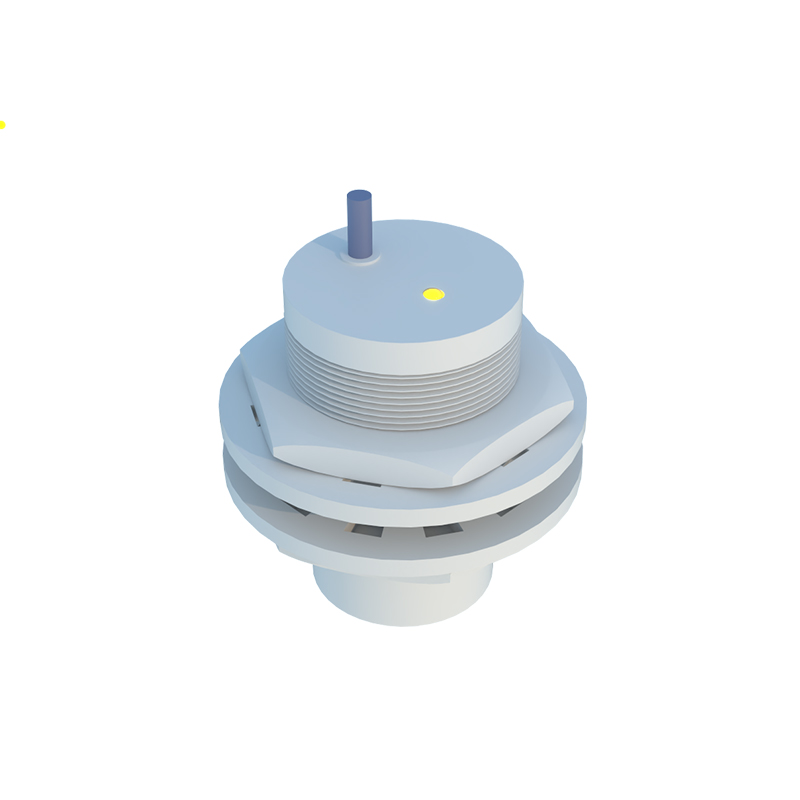
Common pitfalls include using undersized terminals that overheat under load or selecting incompatible wire types, leading to intermittent failures. Regular torque checks on screw terminals—usually 0.5-0.6 Nm—maintain connection stability. As Industry 4.0 advances, terminal blocks with integrated diagnostics, such as LED status indicators or IO-Link compatibility, are gaining traction for predictive maintenance.
In summary, terminal blocks for optical proximity sensors are not mere accessories but key to system reliability. By aligning specifications with operational demands and adhering to installation best practices, engineers can enhance sensor longevity and accuracy, supporting seamless automation across manufacturing, logistics, and energy sectors.