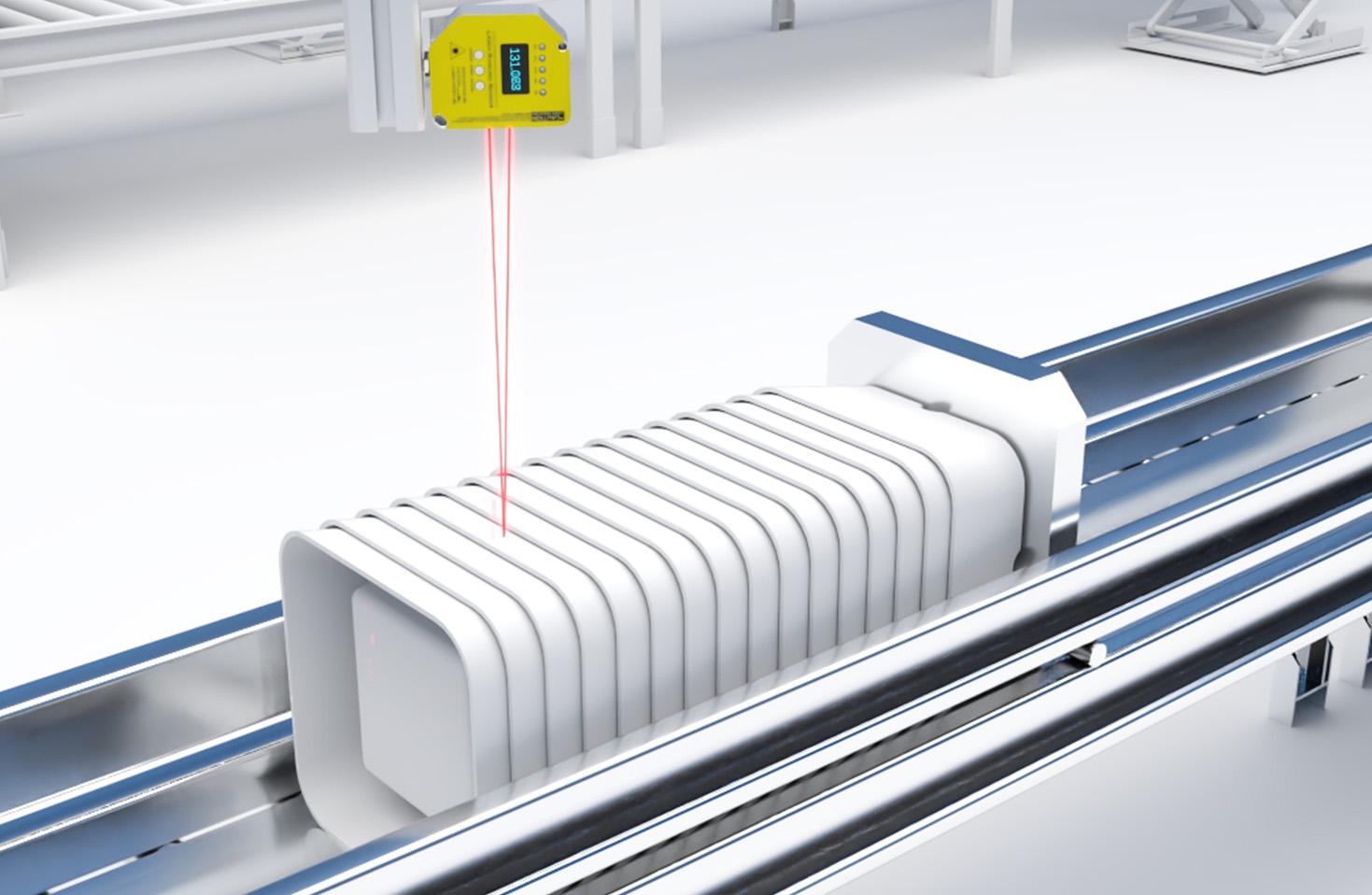
Methane laser sensors represent a critical technology for industrial safety, environmental monitoring, and process control. At their core, these sensors operate on the principle of Tunable Diode Laser Absorption Spectroscopy (TDLAS). A laser beam at a specific wavelength, tuned to an absorption line of methane molecules, is directed through the target gas. The degree of light absorption is precisely measured, providing a highly selective and sensitive concentration reading. This non-contact method offers significant advantages over traditional catalytic bead or electrochemical sensors, particularly in terms of speed, specificity, and reduced maintenance.
The performance and reliability of a methane laser sensor are determined by its key components. The heart of the system is the laser diode. Typically, a Distributed Feedback (DFB) laser diode is used. It emits a narrow, tunable infrared beam, often in the 1.65 μm or 3.3 μm spectral region, where methane exhibits strong absorption. The laser's wavelength is precisely controlled and modulated by its driver electronics, which is crucial for the TDLAS technique. This modulation allows the system to distinguish the target gas signal from background noise and interference from other gases.
The optical path is another fundamental component. It includes collimating lenses that shape the laser beam and optical windows that provide a sealed, transparent interface between the sensor's internal optics and the external environment. These windows must be made of materials like sapphire or specialized IR-transparent glass that are chemically inert, scratch-resistant, and maintain clarity in harsh conditions. For in-situ measurements, the beam travels directly through the process gas (open-path). In extractive systems, the gas sample is drawn into a measurement cell or gas chamber with precisely aligned mirrors that create a long optical path length in a compact space, enhancing sensitivity.
On the detection side, the photodetector is essential. An Indium Gallium Arsenide (InGaAs) photodiode is commonly employed for near-infrared applications. It converts the attenuated light signal after it has passed through the gas sample into an electrical current. The quality of this detector directly impacts the signal-to-noise ratio and the ultimate lower detection limit of the sensor.

Supporting these core optical components is the electronic control and signal processing unit. This sophisticated circuitry performs several vital functions: it controls the laser temperature and injection current for stable wavelength output, modulates the laser, amplifies the weak signal from the photodetector, and executes complex algorithms to demodulate the signal and calculate methane concentration. Modern sensors integrate microprocessors that handle temperature compensation, auto-calibration routines, and digital communication protocols (e.g., 4-20 mA, HART, Modbus, Ethernet/IP).

Additional critical components include a robust housing rated for hazardous areas (e.g., ATEX, IECEx) which protects internal parts from dust, moisture, and explosive atmospheres. Heated optics or sampling lines are often incorporated in extractive systems to prevent condensation, which could block the optical path or dissolve methane, leading to inaccurate readings. For calibration, an integrated zero gas chamber or provision for attaching calibration gas cylinders is standard, ensuring long-term accuracy.
In industrial settings like natural gas processing plants, coal mines, wastewater treatment facilities, and biogas production sites, the selection and integration of these components dictate the sensor's suitability. Factors such as response time (often sub-second), detection range (from ppm to percent levels), immunity to poisoning or sensor drift, and minimal required maintenance are all direct outcomes of the component design and quality. Understanding these building blocks empowers engineers and safety managers to specify, install, and maintain methane laser sensing systems effectively, leveraging their precision for safer and more efficient operations.