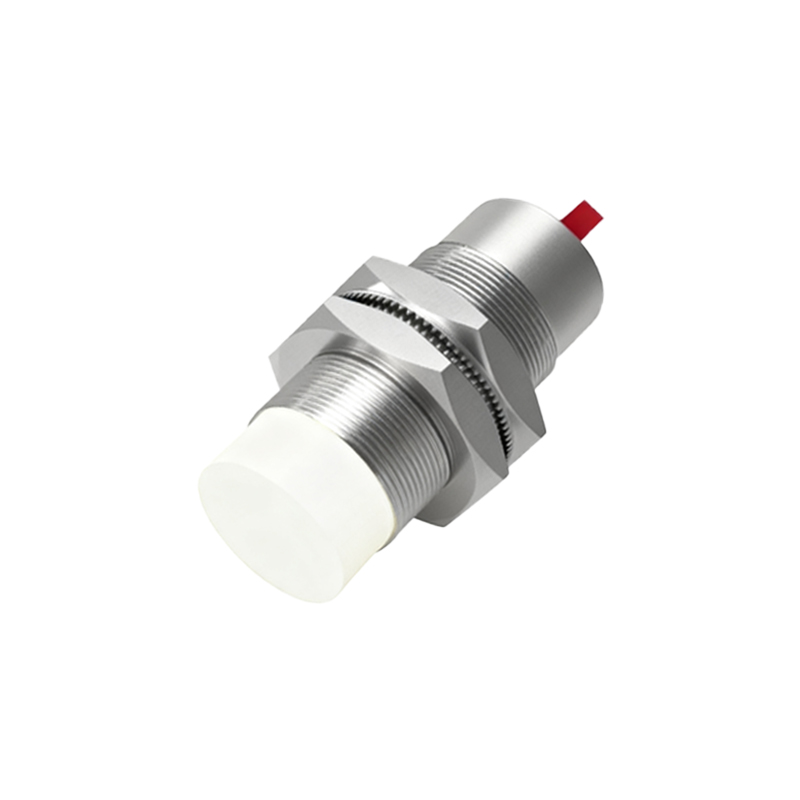
Micro metal proximity switch sensors represent a pivotal advancement in industrial automation, offering high-precision detection within minimalistic footprints. These non-contact sensors operate on electromagnetic principles, typically utilizing inductive or capacitive technologies to identify metallic objects without physical interaction. Their compact size—often as small as a few millimeters in diameter—enables integration into space-constrained machinery, robotics, and assembly lines where traditional sensors would be impractical.
The core mechanism involves an oscillator circuit that generates an electromagnetic field. When a metallic target enters this field, eddy currents are induced, altering the oscillation amplitude. This change triggers a signal output, switching the sensor state. Key variants include shielded and unshielded types: shielded sensors allow flush mounting in metal, while unshielded versions offer extended sensing ranges. Common output configurations encompass NPN, PNP, analog, and IO-Link interfaces, ensuring compatibility with diverse control systems.
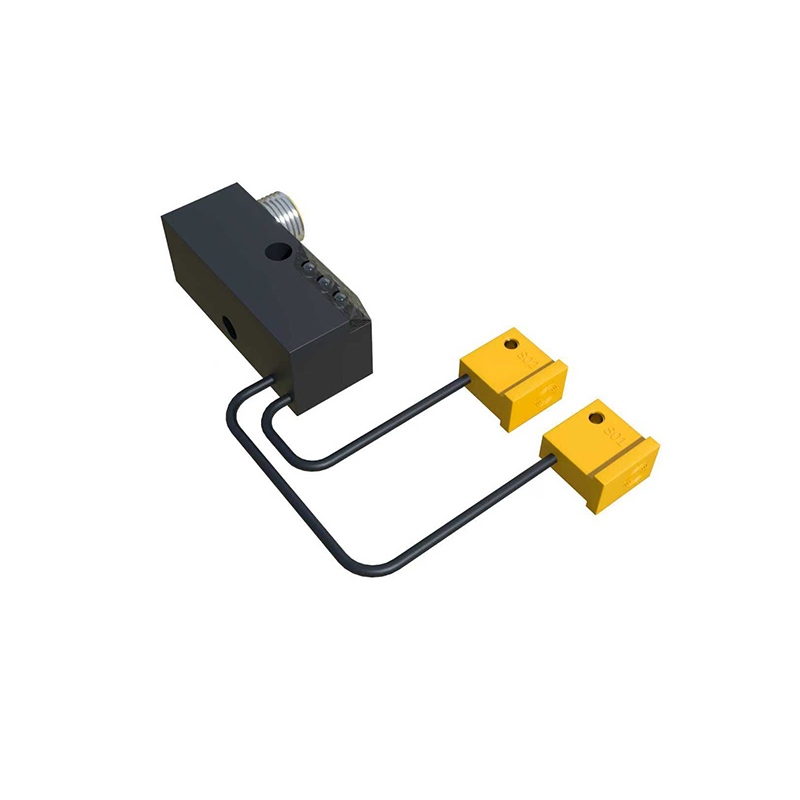
Performance metrics highlight their reliability. Sensing distances range from 0.5mm to 15mm, with repeat accuracy up to ±0.01mm. Operating frequencies can exceed 5kHz, suitable for high-speed applications like counting or positioning. Robust construction—often featuring stainless steel housings and IP67/IP69K ratings—ensures resistance to dust, moisture, and mechanical stress. Temperature tolerance typically spans -25°C to 85°C, accommodating harsh industrial environments.
Applications span numerous sectors. In automotive manufacturing, they detect piston positions or verify part presence. Packaging machinery uses them for label or fill-level monitoring. Robotics leverage their precision for end-effector alignment, while conveyor systems employ them for object tracking. Miniaturized versions are integral to medical devices and semiconductor equipment, where space efficiency is critical.
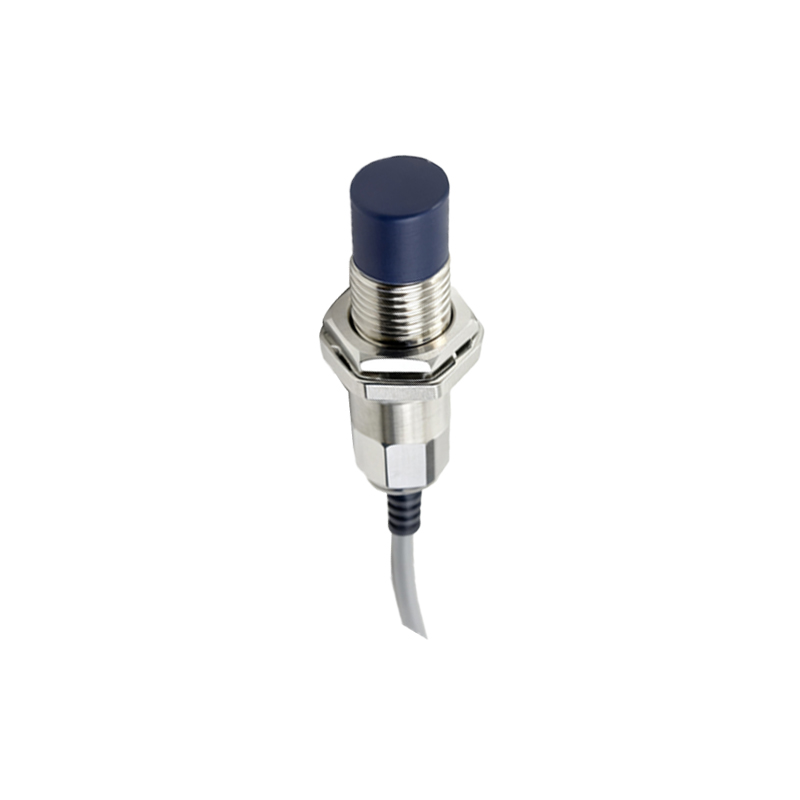
Installation and alignment require attention to avoid interference. Factors like target material (steel, aluminum, copper), size, and orientation affect sensitivity. Ferrous metals yield longer detection ranges than non-ferrous ones. Calibration via potentiometers or teach-in functions optimizes performance. Regular maintenance involves checking for debris accumulation or electrical drift.
Innovations continue to enhance functionality. Smart sensors with embedded diagnostics provide real-time health data, reducing downtime. Energy-efficient designs lower power consumption, and hybrid models combine proximity sensing with temperature or pressure monitoring. Standardization under IEC 60947-5-2 ensures safety and interoperability.
Ultimately, micro metal proximity switches exemplify engineering ingenuity, balancing miniaturization with durability. Their ability to deliver consistent, contactless detection underpins modern automation, driving efficiency in increasingly complex industrial ecosystems. As Industry 4.0 evolves, these sensors will remain foundational to smart manufacturing, enabling finer control and data-driven operations.