In the realm of industrial automation and machinery safety, metal proximity sensors stand as critical components for non-contact detection. These devices, often found in specialized sensor shops or dedicated sections of industrial suppliers, are engineered to detect the presence or absence of metallic objects without physical contact. Utilizing electromagnetic fields, inductive proximity sensors are the most common type for metal detection. When a metal object enters the sensor's active field, it causes a change in oscillation amplitude, which the sensor converts into a switching signal. This fundamental principle enables reliable operation in harsh environments where dust, oil, or moisture might render mechanical switches ineffective.
A professional metal proximity sensor shop typically categorizes products by several key specifications. Sensing range, often a few millimeters to several tens of millimeters, is a primary consideration. The material of the target object—such as mild steel, stainless steel, aluminum, or copper—significantly affects the effective sensing distance, with ferrous metals generally offering the longest range. Housing material is another vital factor; sensors with nickel-plated brass or stainless steel housings are preferred for corrosive or washdown environments in food processing or chemical plants. Furthermore, output configuration—whether NPN, PNP, normally open (NO), or normally closed (NC)—must match the control system's requirements, such as PLC (Programmable Logic Controller) inputs.
The application spectrum for these sensors is vast. In automotive assembly lines, they verify the presence of engine blocks or position robotic arms. In packaging machinery, they count metal cans or detect foil seals. Safety systems employ them as part of interlock guards to ensure machine access doors are closed before operation. When sourcing from a specialized shop, engineers must also consider environmental ratings. An IP67 or IP68 rating indicates high resistance to dust and temporary or prolonged immersion in water, which is crucial for outdoor or wet applications. Temperature tolerance is equally important, with standard models operating from -25°C to 70°C, and high-temperature variants available for foundries or welding zones.
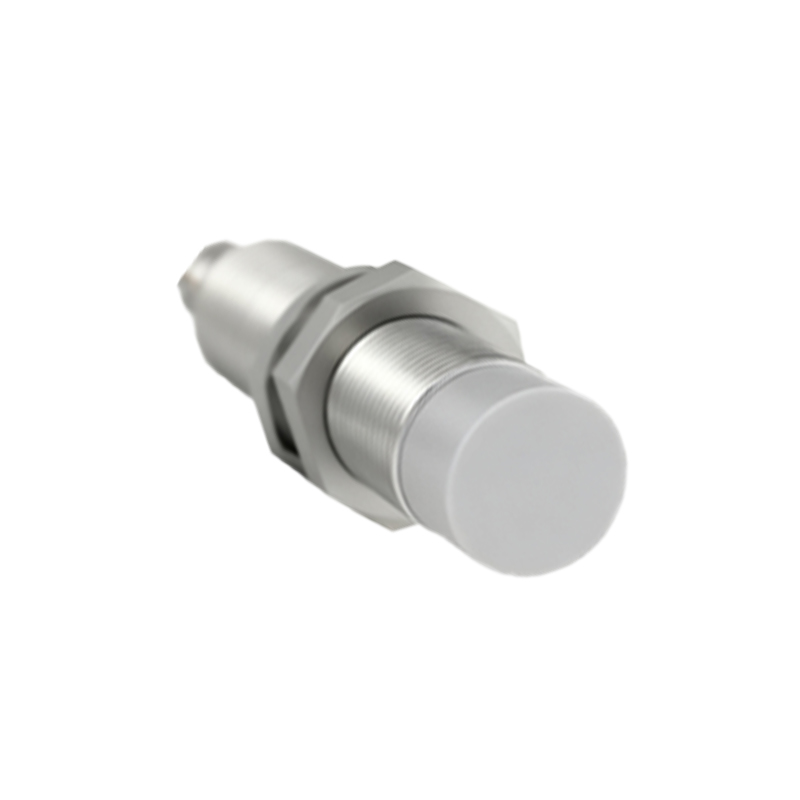
Installation and wiring practices profoundly impact sensor performance and longevity. Proper mounting, with adequate clearance from surrounding metal (as specified in the shop's datasheets), prevents false triggering. Shielded (flush-mountable) sensors can be installed embedded in metal, while unshielded types require a non-metallic surround for their extended range. Wiring should follow EMC (Electromagnetic Compatibility) guidelines, using twisted-pair cables and separate conduits for power and signal lines to minimize electrical noise interference. A reputable sensor shop provides detailed technical documentation, including mounting dimensions, wiring diagrams, and compatibility charts for different metals.
Technological advancements continue to refine metal proximity sensors. Modern shops now offer models with IO-Link digital communication, enabling parameter setting, condition monitoring, and diagnostic data exchange with higher-level control systems. This facilitates predictive maintenance, as the sensor can report operating hours, temperature warnings, or signal strength degradation. Miniaturization is another trend, with tiny 3mm or 4mm diameter sensors enabling detection in cramped spaces of miniaturized assembly equipment. Additionally, analog output sensors provide continuous distance measurement, useful for precision positioning applications beyond simple on/off detection.
Choosing the right supplier is paramount. A dedicated metal proximity sensor shop, whether online or brick-and-mortar, distinguishes itself through product expertise, comprehensive inventory from leading brands like Siemens, Omron, Pepperl+Fuchs, or Balluff, and strong technical support. Engineers should look for suppliers that offer selection tools, CAD model downloads, and clear application guidance. For critical processes, considering redundant sensing setups or fail-safe configurations is advisable, and a knowledgeable shop can assist in designing such systems. Ultimately, investing time in selecting the correct sensor from a specialized source reduces machine downtime, enhances safety, and optimizes production efficiency, delivering long-term value that far outweighs the initial component cost. Regular consultation with supplier engineers for specific application reviews is a best practice in industrial procurement.