In the realm of industrial safety and environmental monitoring, the detection of methane gas is a critical priority. Methane, a primary component of natural gas, is highly flammable and poses significant explosion hazards in confined spaces. Traditional detection methods, such as catalytic bead or electrochemical sensors, have served industries for decades. However, the advent of laser methane sensors represents a transformative leap in gas detection technology, offering unparalleled accuracy, reliability, and operational efficiency. This article delves into the working principles, key advantages, and diverse applications of these advanced devices.
At the core of a laser methane sensor is Tunable Diode Laser Absorption Spectroscopy (TDLAS) technology. The device emits a laser beam at a specific wavelength that corresponds to an absorption line unique to methane molecules. As the laser light passes through the target area, methane molecules absorb a portion of the light energy. The sensor's detector then measures the attenuation of the laser beam. By analyzing the degree of absorption, the sensor can precisely calculate the concentration of methane present in the path of the beam. This method is highly selective, meaning it is virtually immune to interference from other gases, a common drawback of older sensor types that can produce false readings.
One of the most significant advantages of laser methane sensors is their non-contact, remote sensing capability. Unlike point sensors that require physical contact with the gas, laser-based devices can measure methane concentrations from a distance—sometimes up to hundreds of meters away. This feature is invaluable for monitoring large, inaccessible, or hazardous areas such as gas pipelines, wellheads, landfill sites, and chemical plants. Safety personnel can conduct surveys without entering potentially dangerous zones, thereby minimizing risk. Furthermore, these sensors provide a path-integrated measurement, giving an average concentration over the beam's path rather than a single-point reading. This offers a more comprehensive view of gas dispersion and leak magnitude.
The performance metrics of modern laser methane sensors are impressive. They typically offer a wide dynamic range, capable of detecting methane from trace levels (parts-per-million) up to high concentrations (percentage levels). Response times are extremely fast, often in the range of seconds, enabling rapid leak detection and intervention. Maintenance requirements are notably low compared to catalytic sensors, which can be poisoned by certain chemicals and require frequent calibration. Laser sensors have no consumable parts and are designed for long-term stability, often featuring self-checking diagnostics to ensure operational integrity.
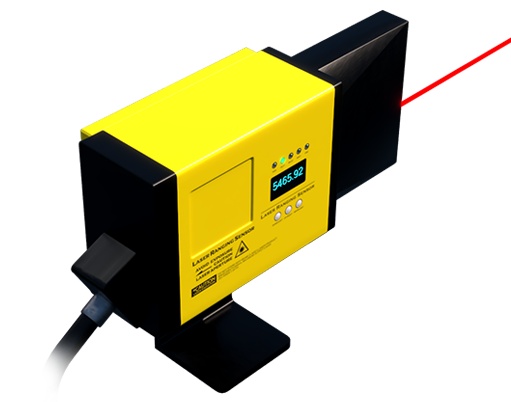
Applications for laser methane sensors span numerous industries. In the oil and gas sector, they are deployed for upstream leak detection at production facilities, midstream pipeline monitoring, and downstream safety at refineries. Utilities use them to survey urban distribution networks for gas leaks from aging infrastructure. In the waste management industry, they monitor methane emissions from landfills, supporting environmental compliance and biogas recovery efforts. Additionally, they are increasingly used in coal mines for early warning of methane accumulation and in power plants for process control and safety.
When selecting a laser methane sensor, engineers must consider several factors. The detection range and sensitivity should match the application's requirements. Environmental robustness is crucial; devices are often rated for hazardous areas (ATEX/IECEx) and built to withstand harsh conditions like extreme temperatures, humidity, and vibration. Integration capabilities with existing control systems, such as 4-20 mA outputs, MODBUS, or wireless protocols, are also key for modern Industrial Internet of Things (IIoT) setups.

In conclusion, laser methane sensors embody a significant technological advancement in gas detection. By leveraging precise optical spectroscopy, they deliver superior selectivity, speed, and safety for remote monitoring. As industries worldwide intensify their focus on safety regulations, environmental stewardship, and operational efficiency, the adoption of this reliable and maintenance-friendly technology is set to grow, making facilities safer and more sustainable.
