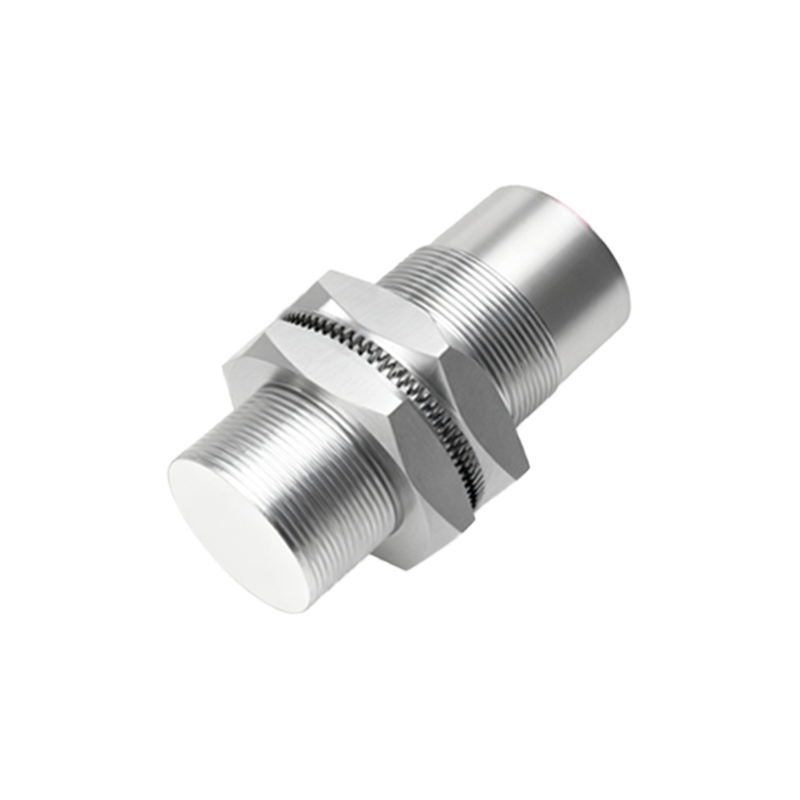
Bluetooth proximity sensors represent a significant advancement in wireless sensing technology, combining the ubiquity of Bluetooth communication with precise proximity detection capabilities. These sensors operate by emitting low-energy Bluetooth signals and measuring the response from nearby objects or devices, enabling real-time monitoring of presence, distance, and movement within a defined range. Typically based on Bluetooth Low Energy (BLE) protocols, they offer energy efficiency, making them suitable for continuous operation in industrial and commercial settings.
The core functionality of a Bluetooth proximity sensor lies in its ability to detect the presence or absence of an object within a specific proximity zone, usually ranging from a few centimeters to several meters. This is achieved through signal strength analysis (RSSI - Received Signal Strength Indicator) or more advanced methods like time-of-flight measurements in higher-end models. The sensor integrates a Bluetooth transceiver, a processing unit, and often additional environmental sensors to enhance accuracy. When an object enters the detection zone, the sensor's firmware analyzes the Bluetooth signal parameters, triggering predefined actions such as alerts, data logging, or automated system responses.
In industrial applications, Bluetooth proximity sensors are increasingly deployed for asset tracking, safety monitoring, and process automation. For instance, in manufacturing facilities, they can monitor the position of machinery components or tools, ensuring operational safety by detecting unauthorized access to hazardous areas. In logistics, these sensors enable real-time inventory management by tracking items equipped with Bluetooth tags, reducing manual checks and improving efficiency. The healthcare sector utilizes them for equipment monitoring and patient safety, such as alerting staff if medical devices are moved beyond designated areas.
One of the key advantages of Bluetooth proximity sensors is their compatibility with existing Bluetooth infrastructure, including smartphones, tablets, and IoT gateways. This allows for seamless integration into broader networks without requiring extensive hardware upgrades. Moreover, with the advent of Bluetooth 5.0 and later versions, enhancements in range (up to 200 meters in open spaces), data throughput, and mesh networking capabilities have expanded their applicability. Security features, such as encrypted communication and authentication protocols, address concerns about data integrity in sensitive environments.
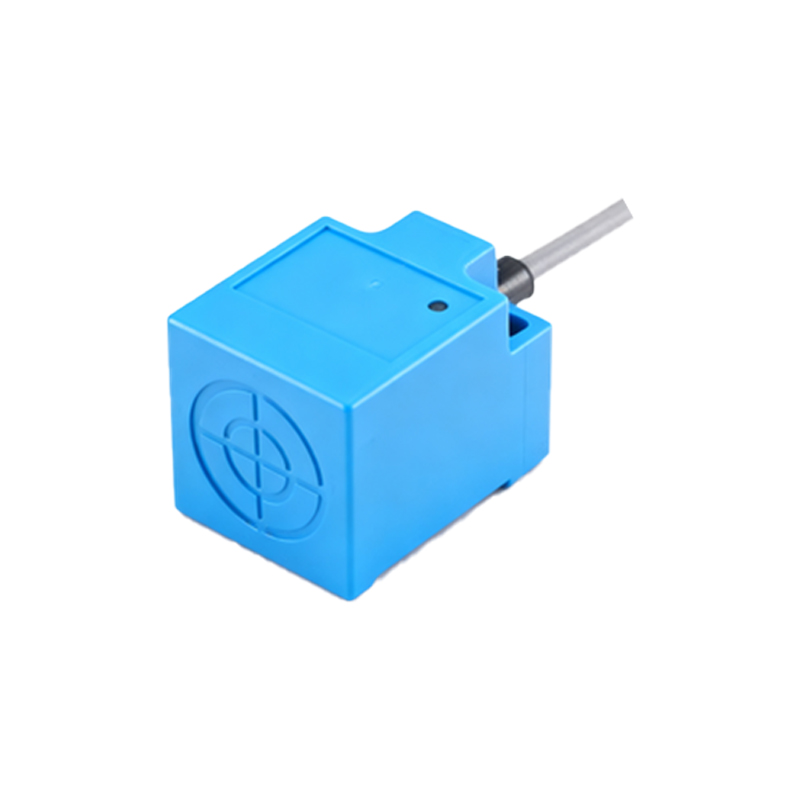
Despite their benefits, challenges remain, including signal interference in crowded RF environments and limitations in precision compared to specialized proximity sensors like ultrasonic or infrared types. However, ongoing advancements in AI-driven calibration and hybrid sensing technologies are mitigating these issues. As industries embrace digital transformation, Bluetooth proximity sensors are poised to play a pivotal role in smart factories, smart cities, and connected ecosystems, driving efficiency and innovation through reliable, wireless proximity solutions.
In summary, Bluetooth proximity sensors offer a versatile, cost-effective tool for proximity detection across diverse sectors. Their evolution continues to align with trends in IoT and automation, promising enhanced functionality and broader adoption in the years ahead.