In the rapidly evolving landscape of industrial automation, photoelectric proximity sensors remain a cornerstone technology, enabling precise non-contact detection across diverse applications. As of 2024, the market has seen significant advancements in performance metrics such as sensing range, response time, environmental durability, and integration capabilities with IoT systems. This article presents an updated ranking based on comprehensive technical evaluations, industry adoption rates, and feedback from engineering professionals.
Leading the current ranking is the Omron E3Z-T86 series, renowned for its exceptional stability in challenging conditions. Featuring a sensing distance of up to 15 meters and an IP67 rating, it excels in manufacturing and packaging lines where dust and moisture are prevalent. Its advanced noise immunity and adjustable sensitivity via built-in potentiometers make it a versatile choice for high-speed automation tasks.
Following closely is the Sick W4-3 series, which stands out for its ultra-compact design and high precision. With a response time of less than 0.5 ms and a background suppression function, it is ideal for robotic assembly and electronic component handling. The sensor's robust housing and reliable detection of minute objects have cemented its position in the automotive and semiconductor industries.
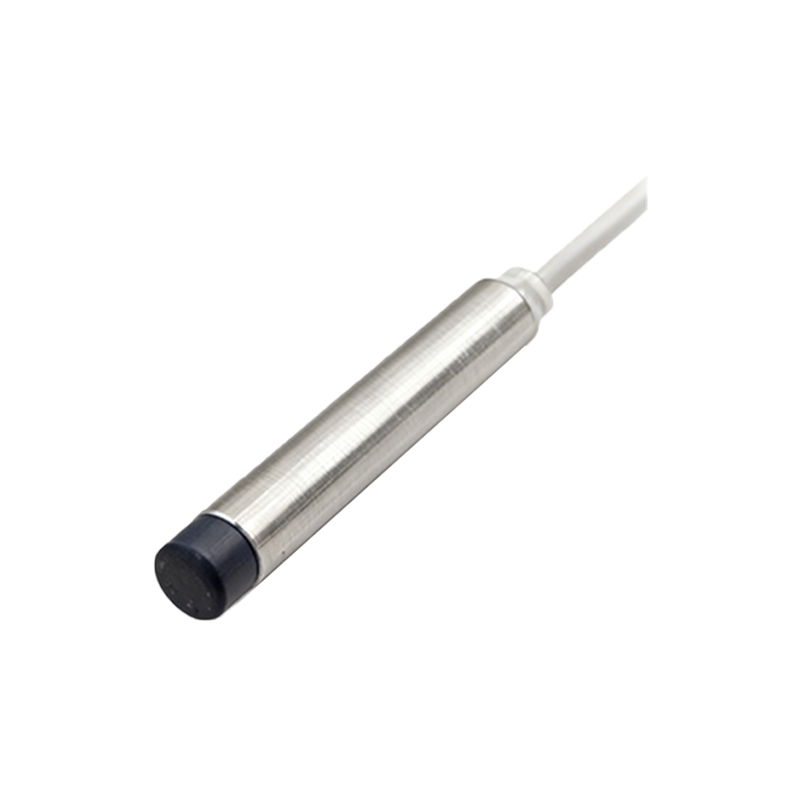
The Banner Q4X series secures a top spot due to its innovative dual digital output and laser technology. Offering both analog and discrete outputs, it provides flexibility in complex control systems. Its ability to detect transparent materials, such as glass or plastic films, with consistent accuracy has made it a favorite in pharmaceutical and food processing sectors.
Key trends influencing the 2024 ranking include the rise of smart sensors with IO-Link communication, enabling real-time data exchange for predictive maintenance. Additionally, energy-efficient models with low power consumption are gaining traction in sustainable manufacturing initiatives.
When selecting a photoelectric proximity sensor, engineers should consider factors like target material, ambient light interference, installation space, and connectivity requirements. Regular calibration and adherence to manufacturer guidelines ensure optimal performance and longevity.
In summary, the latest ranking reflects a shift toward multifunctional, resilient sensors that support Industry 4.0 frameworks. As technology progresses, innovations in miniaturization and wireless capabilities are expected to further redefine market leadership in the coming years.