In today's automated industrial landscape, the standard proximity sensor is a fundamental component, enabling non-contact detection of metallic and, in some cases, non-metallic objects. For procurement specialists, engineers, and business owners, understanding the factors that influence standard proximity sensor price is crucial for effective budgeting and project planning. The cost is not a single figure but a spectrum determined by a complex interplay of technology, specifications, and market dynamics.
The core technology type is the primary price determinant. Inductive proximity sensors, designed to detect ferrous and non-ferrous metals, are generally the most cost-effective entry point. Their widespread use and mature manufacturing processes keep prices competitive. Within this category, shielded (flush-mountable) variants often carry a slight premium over unshielded models due to their installation flexibility in metallic environments. Capacitive sensors, capable of detecting a wider range of materials including liquids, plastics, and wood, typically come at a higher price point than their inductive counterparts because of their more complex circuitry. Ultrasonic sensors, offering longer detection ranges and material versatility, represent a higher price tier, justified by their sophisticated sonic transceiver technology.
Beyond the sensing principle, performance specifications directly correlate with cost. Detection range is a key factor; a sensor with a 2mm range will be significantly less expensive than one with a 20mm range, as the latter requires more precise calibration and potentially more powerful components. The housing material also plays a role. Standard plastic or nickel-plated brass housings are economical, while sensors built with stainless steel housings for corrosive or washdown environments (e.g., food and beverage, pharmaceutical) command a higher price. Furthermore, output configuration influences cost. Basic two-wire DC sensors are often the most affordable. Three-wire DC sensors (NPN or PNP) and analog output sensors (4-20mA, 0-10V) are priced higher due to their more complex internal electronics and wiring flexibility. Sensors with advanced features like IO-Link communication, which enables digital parameter setting and diagnostics, sit at the premium end of the price spectrum.
Brand reputation and supply chain positioning are significant external factors. Established global brands like Siemens, Omron, Schneider Electric, and Pepperl+Fuchs often have higher price tags, reflecting decades of R&D investment, proven reliability, extensive global distribution networks, and comprehensive technical support. Conversely, many reputable Asian manufacturers and generic brands offer functionally comparable sensors at lower price points, providing a valuable option for cost-sensitive applications where extreme performance is not critical. The choice often boils down to a balance between initial cost and the total cost of ownership, which includes reliability, maintenance, and potential downtime.
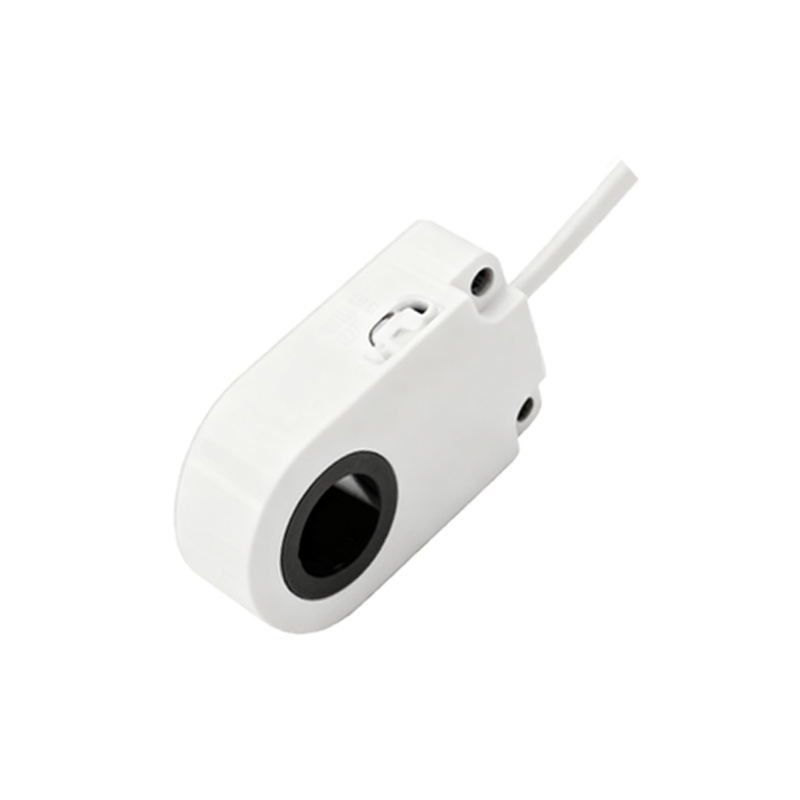
Market volatility, particularly in raw material costs for metals and semiconductors, can cause price fluctuations. Global demand surges in specific sectors like automotive or renewable energy can also temporarily affect availability and price. Purchasing volume is another critical lever. Buying individual sensors from a distributor will result in a higher unit price compared to securing an OEM volume discount directly from the manufacturer or an authorized bulk supplier.
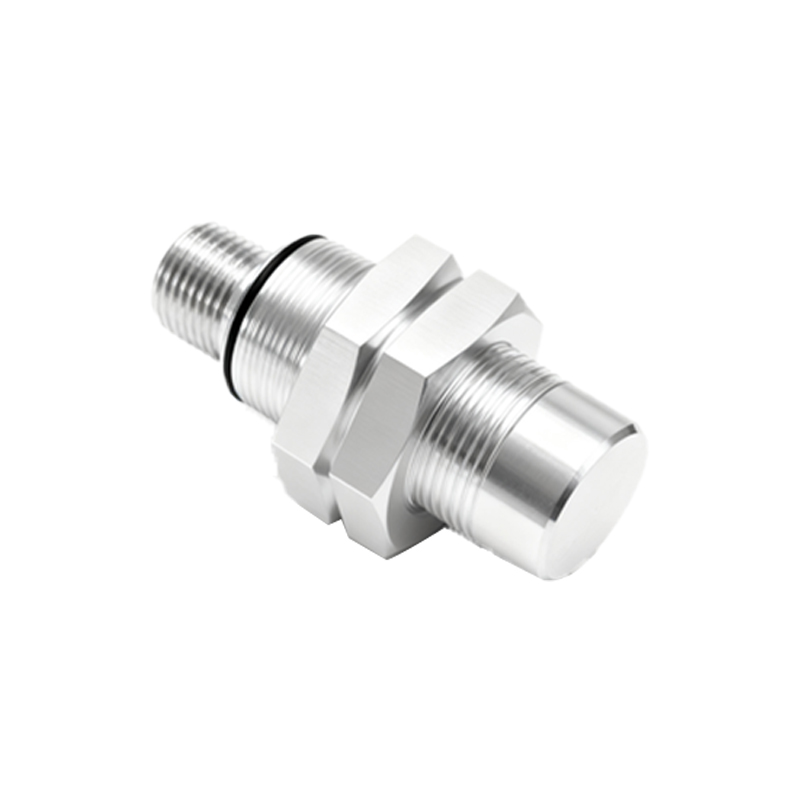
As of the current market analysis, entry-level standard inductive proximity sensors can start as low as $15 to $30 USD per unit for basic models. Mid-range sensors with enhanced features, robust housing, or specific certifications (like IP67) typically range from $40 to $90 USD. High-performance models, including long-range ultrasonic sensors, heavy-duty stainless steel variants, or those with integrated smart communication protocols, can easily cost $100 to $300 USD or more. It is imperative to request detailed quotations from multiple suppliers, specifying the exact required parameters (sensing type, range, size, output, housing, connection type) to receive accurate and comparable pricing.
In conclusion, navigating the standard proximity sensor price landscape requires a technical understanding of your application's needs. Prioritizing essential specifications and carefully evaluating the trade-offs between brand premium, feature sets, and procurement scale will lead to an optimal economic decision without compromising on operational integrity.