In the realm of industrial automation, the reliable detection of objects without physical contact is paramount. Among the diverse array of sensing technologies, non-embedded rectangular proximity sensors stand out for their versatility and robust performance in demanding environments. Unlike their cylindrical counterparts or embedded (flush-mountable) versions, these sensors offer distinct advantages that make them indispensable for specific applications. This article delves into the operational principles, key characteristics, and optimal use cases for non-embedded rectangular proximity sensors.
Fundamentally, a non-embedded rectangular proximity sensor operates on the principle of electromagnetic induction or, in the case of capacitive models, changes in capacitance. The most common type is the inductive sensor, which generates an oscillating electromagnetic field from its active face. When a metallic target enters this field, eddy currents are induced in the target, causing a change in the oscillation amplitude. The sensor's internal circuitry detects this change and triggers a switching output. The "non-embedded" designation is critical; it means the sensor is designed to be mounted with its sensing face protruding from the mounting surface. This configuration provides a significantly larger sensing range compared to an embedded sensor of the same size, which must be mounted flush with metal to prevent damage. The rectangular form factor offers a broader and more rectangular sensing field, which can be advantageous for detecting wider objects or for applications where precise edge detection is necessary.
The technical specifications of these sensors are where their industrial value becomes clear. Key parameters include sensing distance, typically rated for a standard mild steel target. For non-embedded rectangular sensors, this range is notably generous, often several times greater than an embedded equivalent. The housing is invariably constructed from rugged materials like nickel-plated brass or stainless steel, with high-quality plastics such as PBT or PVDF for the face. This ensures exceptional resistance to mechanical impact, cutting fluids, oils, and coolants commonly found in machine tools, packaging lines, and automotive assembly plants. Most models feature IP67, IP68, or IP69K ingress protection ratings, making them suitable for washdown environments in food and beverage or pharmaceutical processing. The electrical outputs are diverse, including DC PNP/NPN (sourcing/sinking), NAMUR (for intrinsically safe circuits), and relay or analog options, allowing seamless integration with PLCs (Programmable Logic Controllers) and other control systems.
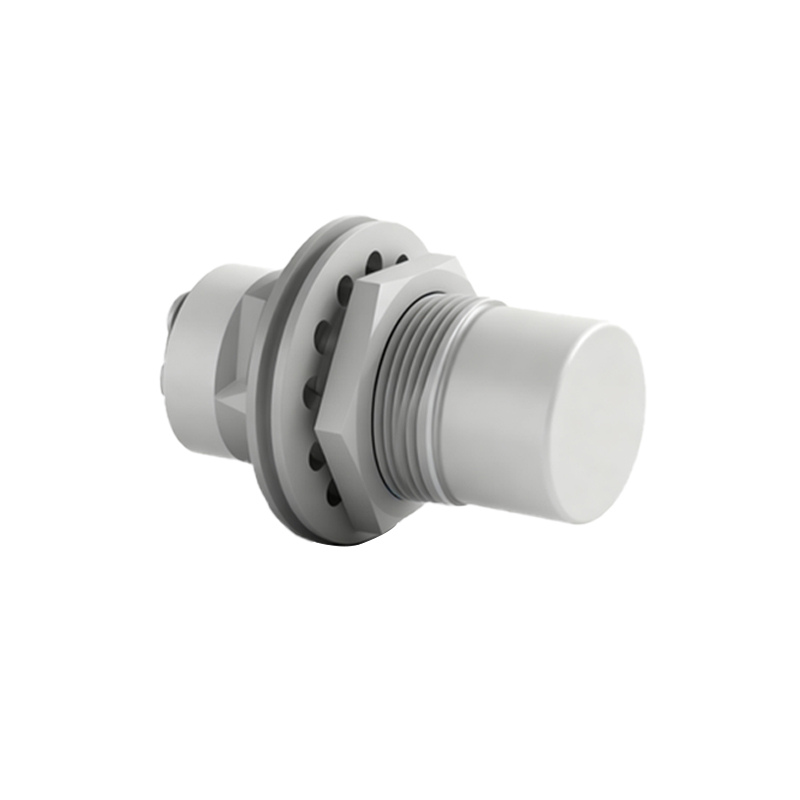
Selecting and applying a non-embedded rectangular sensor requires careful consideration. The primary advantage is the extended sensing range, which allows for greater mounting flexibility and clearance from the target path. This is particularly useful for detecting irregularly shaped objects, monitoring conveyor belt transfers, or serving as a safety presence check before a machining operation. The rectangular shape itself is beneficial for detecting the leading edge of pallets, cartons, or metal sheets. However, this very advantage necessitates careful installation. Because the sensor body protrudes, it is more susceptible to physical damage from impacts, forklifts, or passing materials. Proper mounting in a protected location or using a sturdy bracket is essential. Furthermore, the non-embedded sensor's sensing field extends not only forward but also laterally to a degree. Installers must be mindful of the "side approach" effect to avoid false triggering from adjacent metal structures or machinery, a phenomenon less pronounced with embedded styles.
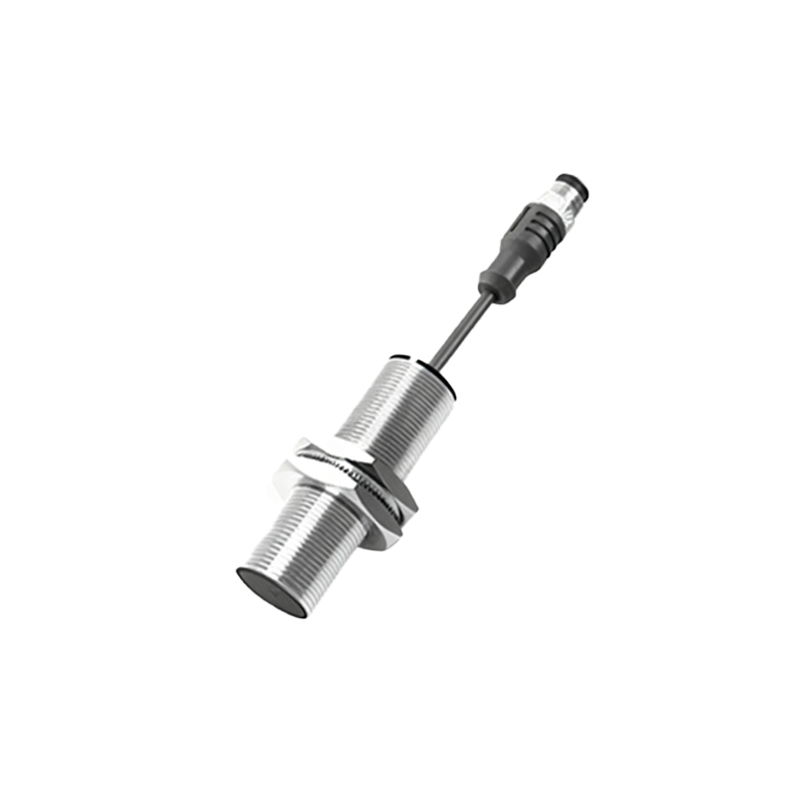
Typical applications showcase their strengths. In material handling, they are ideal for pallet detection, box counting on conveyors, and verifying the position of metal racks. In automated machinery, they monitor the open/closed status of guards, detect the end-of-travel of a slide, or confirm the presence of a metal workpiece in a fixture. Their robust housing makes them perfect for harsh settings like foundries or welding cells, where spatter and physical abuse are common. When compared to photoelectric sensors, inductive rectangular sensors are immune to ambient light, dust, steam, and opaque film buildup, offering unwavering reliability for metallic target detection.
In conclusion, non-embedded rectangular proximity sensors are a powerful tool in the industrial sensor portfolio. Their combination of a generous sensing range, durable rectangular housing, and immunity to environmental contaminants makes them a preferred choice for challenging detection tasks involving metal objects. Successful deployment hinges on understanding their operational envelope, respecting their physical exposure, and meticulously planning their installation to leverage their full capabilities while mitigating risks. For engineers and technicians designing robust automation systems, specifying the correct non-embedded rectangular sensor can be the key to achieving long-term, maintenance-free operation.