In the realm of industrial automation and control systems, the reliable detection of objects in harsh environments is paramount. Among the myriad of sensing solutions available, the M18 form-factor proximity sensor stands out, particularly in its high-voltage variants. These robust devices are engineered to deliver consistent performance where standard sensors would falter, making them indispensable in sectors like heavy machinery, energy generation, and automotive manufacturing.
The defining characteristic of a high-voltage M18 proximity sensor is its ability to interface directly with control circuits operating at elevated voltages, typically ranging from 90 to 250 VAC or 20 to 320 VDC. This capability eliminates the need for intermediate relays or signal converters in many applications, simplifying system architecture and enhancing overall reliability. The cylindrical M18 housing, with an 18mm diameter, provides a compact yet durable package, often featuring a threaded metal body (commonly stainless steel) that offers IP67 or higher ingress protection. This design ensures resilience against dust, moisture, oils, and mechanical impacts commonly found on factory floors.
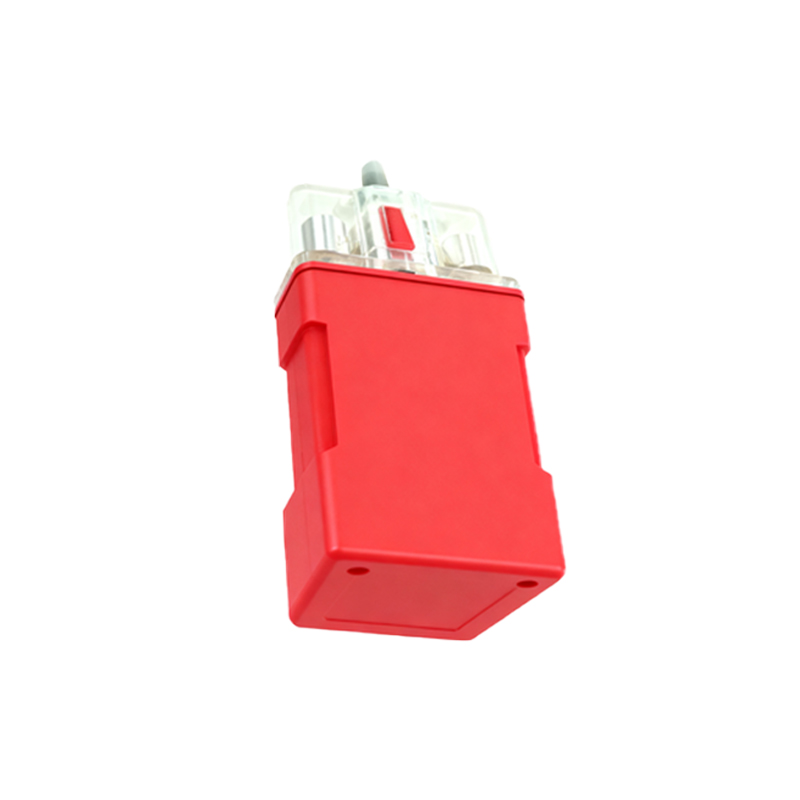
Technologically, these sensors primarily utilize inductive, capacitive, or magnetic sensing principles. Inductive sensors, the most prevalent for metal detection, generate an electromagnetic field. When a metallic target enters this field, it causes a change in oscillation amplitude, which is detected and converted into a switching signal. High-voltage models incorporate advanced circuitry to handle the electrical stress, featuring robust overvoltage and surge protection. Key performance metrics include sensing distance (often up to 8mm for standard inductive M18), response frequency (capable of thousands of operations per second), and temperature tolerance (typically from -25°C to 70°C). A critical specification is the output configuration: PNP (sourcing) or NPN (sinking) for DC models, and two-wire AC/DC types, all designed to switch high-voltage loads directly.
The application spectrum is vast. In automotive assembly lines, high-voltage M18 sensors monitor robotic arm positions and detect components on high-speed conveyors powered by industrial mains. Within renewable energy, such as wind turbine control systems, they endure voltage fluctuations while detecting blade pitch or gearbox conditions. Their inherent noise immunity and stable operation under electrical interference make them ideal for welding cells and large motor control cabinets. Furthermore, their long operational lifespan and minimal maintenance requirements translate to reduced downtime and lower total cost of ownership.
Selecting the appropriate high-voltage M18 sensor requires careful consideration. Engineers must first assess the electrical requirements: the supply voltage of the control system and the load characteristics of the connected device (e.g., a contactor coil or PLC input). The sensing object material dictates the technology choice—inductive for metals, capacitive for non-metals like liquids or plastics, and magnetic for permanent magnet detection. Environmental factors such as ambient temperature, presence of chemicals, and required ingress protection rating are equally crucial. Finally, the output type must match the control logic of the system to ensure proper interface and signal integrity.
Installation and wiring demand adherence to safety standards, including NEC, IEC, or local electrical codes. Proper shielding of cables is recommended in environments with significant electromagnetic interference. Regular functional checks, including verifying the sensing distance and cleaning the sensor face from debris, are simple yet effective preventive measures. As Industry 4.0 advances, modern high-voltage M18 sensors are increasingly featuring IO-Link communication, enabling digital parameter setting, real-time diagnostics, and seamless integration into smart factory networks for predictive maintenance.
In conclusion, high-voltage M18 proximity sensors are critical enablers of industrial resilience and efficiency. Their design harmonizes mechanical robustness with electrical fortitude, allowing them to perform reliably in the most demanding circuits and conditions. By providing a direct, reliable interface between high-power machinery and control systems, they form a foundational component in building safer, more productive, and interconnected automated environments. Their continued evolution with digital features ensures they will remain vital as industrial operations grow more complex and electrically demanding.