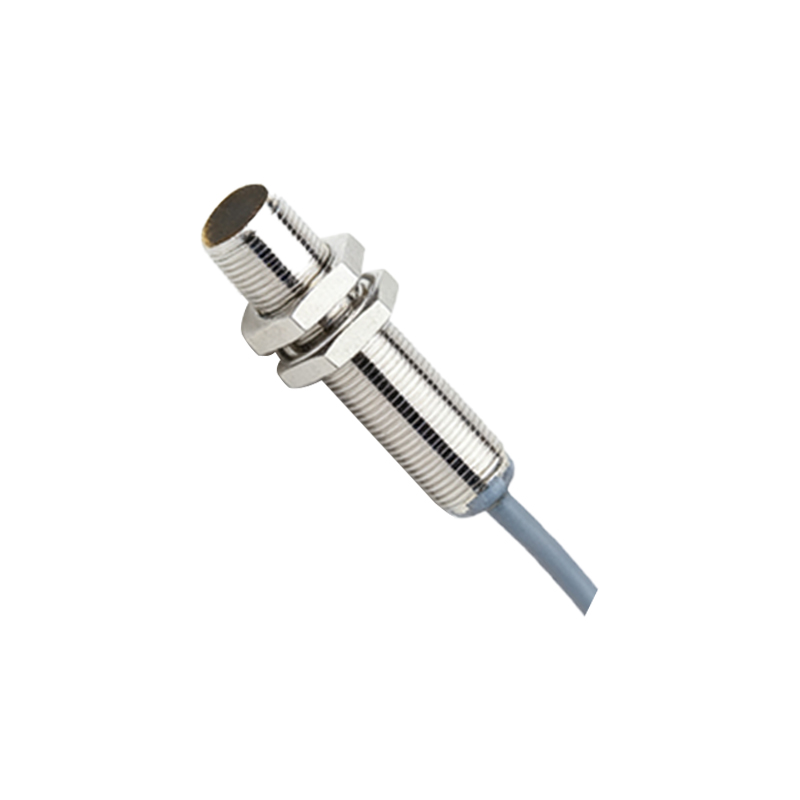
In the intricate world of industrial automation and machinery, the precision and reliability of components are non-negotiable. Among these critical components, proximity sensors stand out for their role in non-contact detection, ensuring seamless operations in manufacturing, packaging, and assembly lines. While off-the-shelf sensors are widely available, many complex applications demand a tailored approach. This is where specialized proximity sensor customization shops become indispensable. Finding the right one, however, is a strategic decision that hinges on more than just a physical address.
The journey to locating an ideal customization partner begins with a clear definition of your technical requirements. Standard sensors may fail in environments with extreme temperatures, excessive washdowns, intense electromagnetic interference, or unique sensing ranges and output signals. A proficient customization shop doesn't just sell a product; it provides an engineering solution. Therefore, your search should focus on shops that demonstrate deep application expertise. Look for providers with a proven portfolio in your specific sector, whether it's automotive, food and beverage, metalworking, or pharmaceuticals. Their previous work is a testament to their capability to handle challenges similar to yours.
Geographical location, while a factor, is often secondary to technical capability in the digital age. The "address" of a top-tier customization shop is increasingly virtual, anchored by a robust online presence that showcases its technical documents, case studies, and certification credentials (such as ISO standards). However, a physical location with advanced in-house facilities—like precision machining, coil winding, and fully equipped testing labs—is crucial. It ensures direct control over quality and prototyping speed. When evaluating a shop, inquire about their manufacturing and R&D site. A shop that integrates design, prototyping, and production under one roof can significantly reduce lead times and improve communication fidelity.
Key services to prioritize include comprehensive application engineering support. The right shop will have engineers who engage in detailed consultations to understand the mechanical, electrical, and environmental constraints of your project. They should offer customization in various sensing technologies—inductive, capacitive, magnetic, or ultrasonic—and be adept at modifying housings, connectors, sensing ranges, and output configurations (PNP/NPN, analog, IO-Link). Material expertise is another critical differentiator; the ability to recommend and source specialized materials like stainless steel grades, PEEK, or specific sealing materials (IP68/IP69K) for harsh conditions is essential.
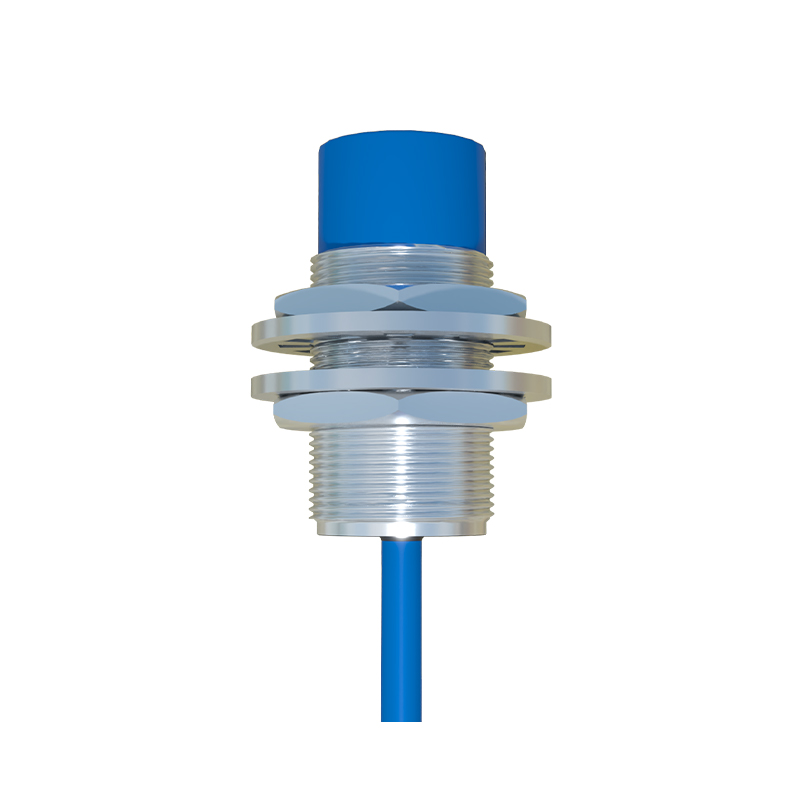
Furthermore, assess their scalability and support structure. A reliable partner should support you from the prototype phase through to full-scale production, ensuring consistency and offering logistical support. Their after-sales service, including technical support, warranty terms, and the availability of replacement parts, is as important as the initial design. A shop's commitment to support is often reflected in its client testimonials and long-term partnerships.
In practice, finding this partner involves a mix of industry networking, targeted online research on platforms like industry-specific directories, and attending trade fairs. Requesting samples and visiting the facility, if feasible, can provide invaluable insights into their operational excellence. Remember, the goal is to establish a collaborative relationship with a shop whose "address" signifies a hub of innovation and reliability, not just a point on a map. By prioritizing technical depth, integrated manufacturing, and steadfast support, you secure more than a custom sensor; you invest in a cornerstone for your system's enduring efficiency and safety.