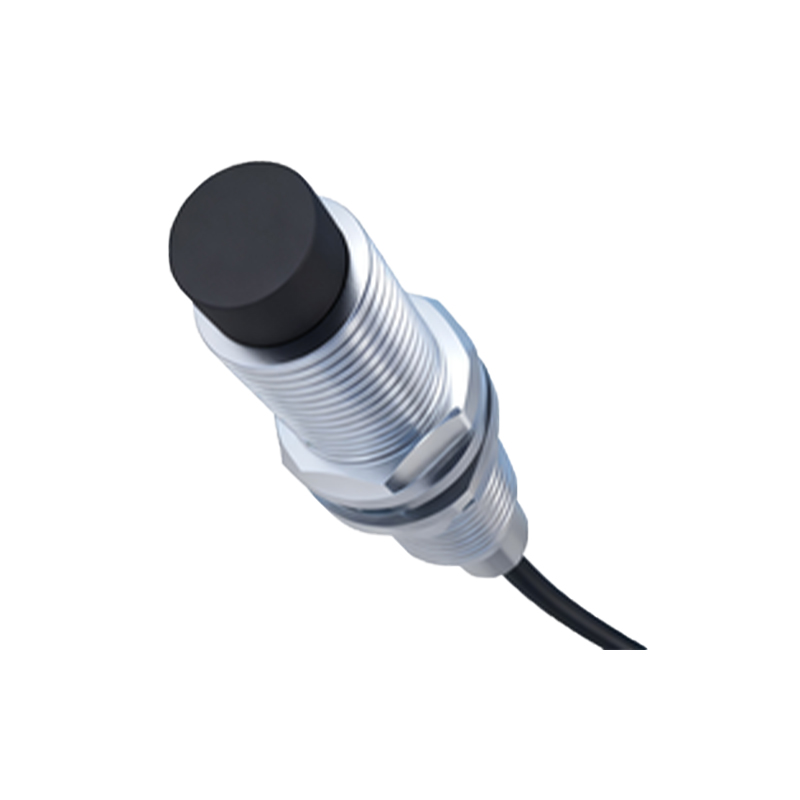
In industrial automation and process control systems, shut-off valves play a critical role in regulating the flow of liquids, gases, and other media. To ensure precise operation and real-time monitoring, proximity switch sensors are often integrated with these valves. These sensors provide non-contact detection of valve position, enhancing reliability, safety, and efficiency in various applications, from chemical processing to water treatment plants.
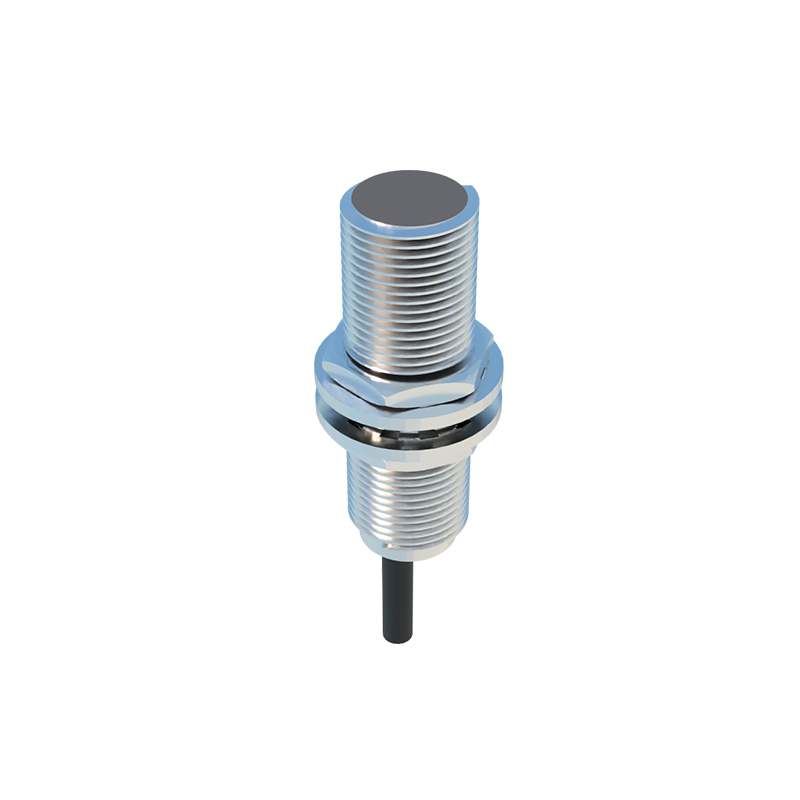
Proximity sensors used for shut-off valves typically fall into two main categories: inductive and magnetic. Inductive proximity sensors are ideal for detecting metal valve components, such as actuator arms or stems, without physical contact. They generate an electromagnetic field and sense changes when a metallic target enters the field. This makes them suitable for environments with dust, moisture, or vibration, where mechanical switches might fail. Magnetic proximity sensors, on the other hand, are designed to detect magnetic fields, often from magnets embedded in valve assemblies. They are commonly used in pneumatic or hydraulic valves, offering high precision and resistance to harsh conditions like extreme temperatures or corrosive media.
The integration of proximity switches with shut-off valves enables accurate feedback on valve status—whether fully open, fully closed, or in an intermediate position. This feedback is crucial for control systems, such as PLCs (Programmable Logic Controllers) or SCADA (Supervisory Control and Data Acquisition) systems, which rely on real-time data to automate processes and trigger alarms in case of malfunctions. For instance, in a safety shutdown scenario, a proximity sensor can immediately signal if a valve fails to close, preventing leaks or hazardous spills.

Selecting the right proximity sensor for a shut-off valve involves several factors. First, consider the operating environment: factors like temperature range, pressure, exposure to chemicals, and potential interference from other electrical equipment. Sensors with IP67 or higher ratings are recommended for wet or dusty areas. Second, the sensing distance must match the valve’s movement range; too short a distance may cause missed detections, while excessive range could lead to false triggers. Third, output type matters—common options include PNP (sourcing) or NPN (sinking) transistor outputs, analog signals, or IO-Link for digital communication. Finally, mechanical compatibility is key: sensors should be mounted securely to withstand vibration and aligned properly with the target for consistent performance.
Installation and maintenance practices also impact sensor longevity. Proper mounting brackets, shielding from electromagnetic interference, and regular calibration checks are essential. In high-vibration settings, using sensors with robust housings (e.g., stainless steel) can prevent damage. Additionally, diagnostic features like LED indicators or built-in diagnostics help troubleshoot issues quickly, reducing downtime.
Advancements in sensor technology continue to improve shut-off valve applications. Smart sensors with IoT connectivity enable predictive maintenance by monitoring wear and performance trends. For example, a sensor might detect gradual changes in valve response time, alerting operators before a failure occurs. Similarly, energy-efficient designs and miniaturized sensors allow for compact valve assemblies without sacrificing functionality.
In summary, proximity switch sensors are indispensable for modern shut-off valve systems, offering non-contact, reliable position sensing. By understanding sensor types, selection criteria, and best practices, engineers can optimize valve control for enhanced safety and efficiency in industrial operations. As automation evolves, these sensors will play an even greater role in smart manufacturing and process innovation.